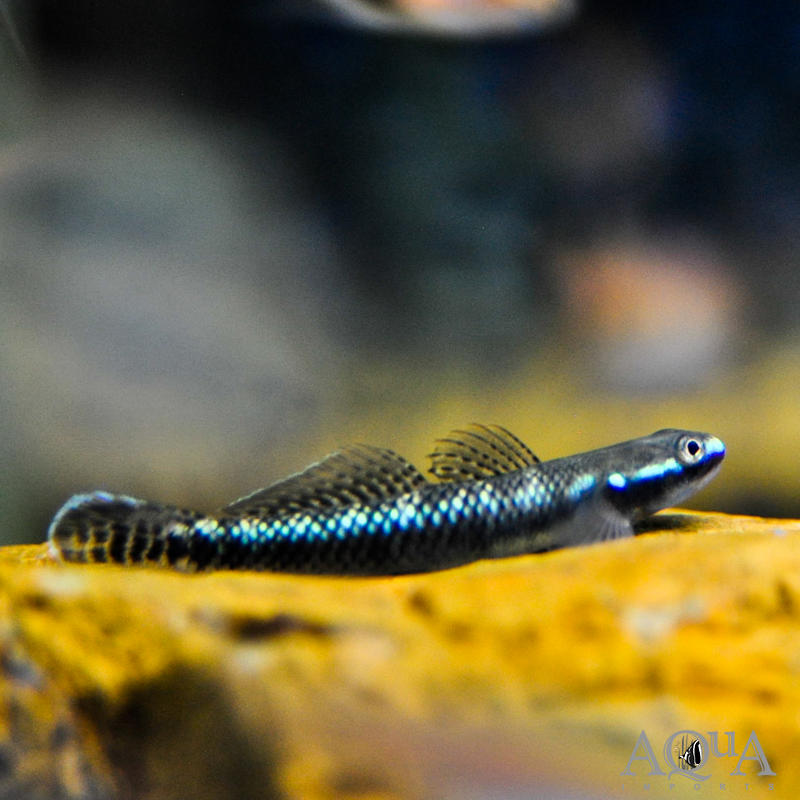
Substrate & Hardscape: Use a soft sand or fine gravel substrate combined with plenty of smooth, rounded river stones (such as flat basalt or jasper). The fish use modified pelvic fins to form a suction cup, allowing them to anchor themselves to rocks directly in the current.
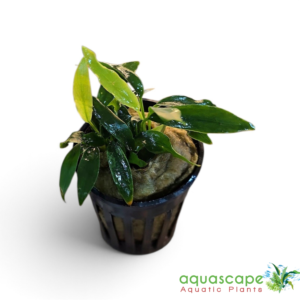
Plants: They are excellent additions to high-tech planted aquariums. They do not damage plants like Anubias, Bucephalandra, or carpet species, though they will meticulously clean them of surface biofilm.
2. Diet & Feeding
The Stiphodon genus is primarily aufwuchs grazers (microorganisms and algae growing on rock surfaces).
Primary Food Source: A mature aquarium with consistent lighting to promote healthy, soft green algae and biofilm growth is essential before adding these fish.
Supplemental Feeding: They can be tricky to transition to processed foods. Offer high-quality spirulina flakes, algae wafers, and specialized powdered foods designed for grazing species. They will occasionally accept small frozen foods like daphnia or bloodworms, but their digestive tracts are built for a high-matter vegetable diet.
3. Temperament & Tank Mates
Behavior: Completely peaceful toward other species. Males can be territorial with other males of their own kind, displaying elaborate fin-flaring territory battles that rarely result in actual physical harm. Providing plenty of distinct rock structures helps break lines of sight.
Ideal Tank Mates: Perfect for peaceful nano setups. Excellent choices include freshwater shrimp (Neocaridina/Caridina), peaceful rasboras, tetras, small danios, hillstream loaches, and Otocinclus catfish. Avoid housing them with large, aggressive, or fast-moving predatory fish.
Aquascaping Tip: To ensure a constant food supply for your Blue Neon Gobies, place a few extra smooth river stones in a clear container of water under a strong grow light or direct sunlight on a windowsill. Once the stones grow a thick layer of green algae, cycle them into the goby tank!