About this product
In-depth analysis of Polygon's POL token and ecosystem transformation in Q4 2026.
- Covers MATIC-to-POL migration details
- Analyzes multi-chain staking model
- Evaluates competitive landscape with Base and Arbitrum
The Polygon POL Asset Report Q4 2026 provides a comprehensive analysis of the POL token and its ecosystem transformation, focusing on the migration from MATIC to POL, multi-chain staking, and the AggLayer interoperability strategy.
Features
- Executive Summary Summarizes POL's value proposition and key findings.
- Thesis & Key Findings Explains the importance of Polygon's shift to multi-chain staking and payments.
- POL Tokenomics & Migration Details the MATIC swap completion and staking dynamics.
- AggLayer & Interoperability Strategy Discusses AggLayer's architecture and competitive positioning.
- Competitive Landscape Analyzes Polygon's position against Base and Arbitrum.
- Risks & Headwinds Identifies key risks affecting POL's price and adoption.
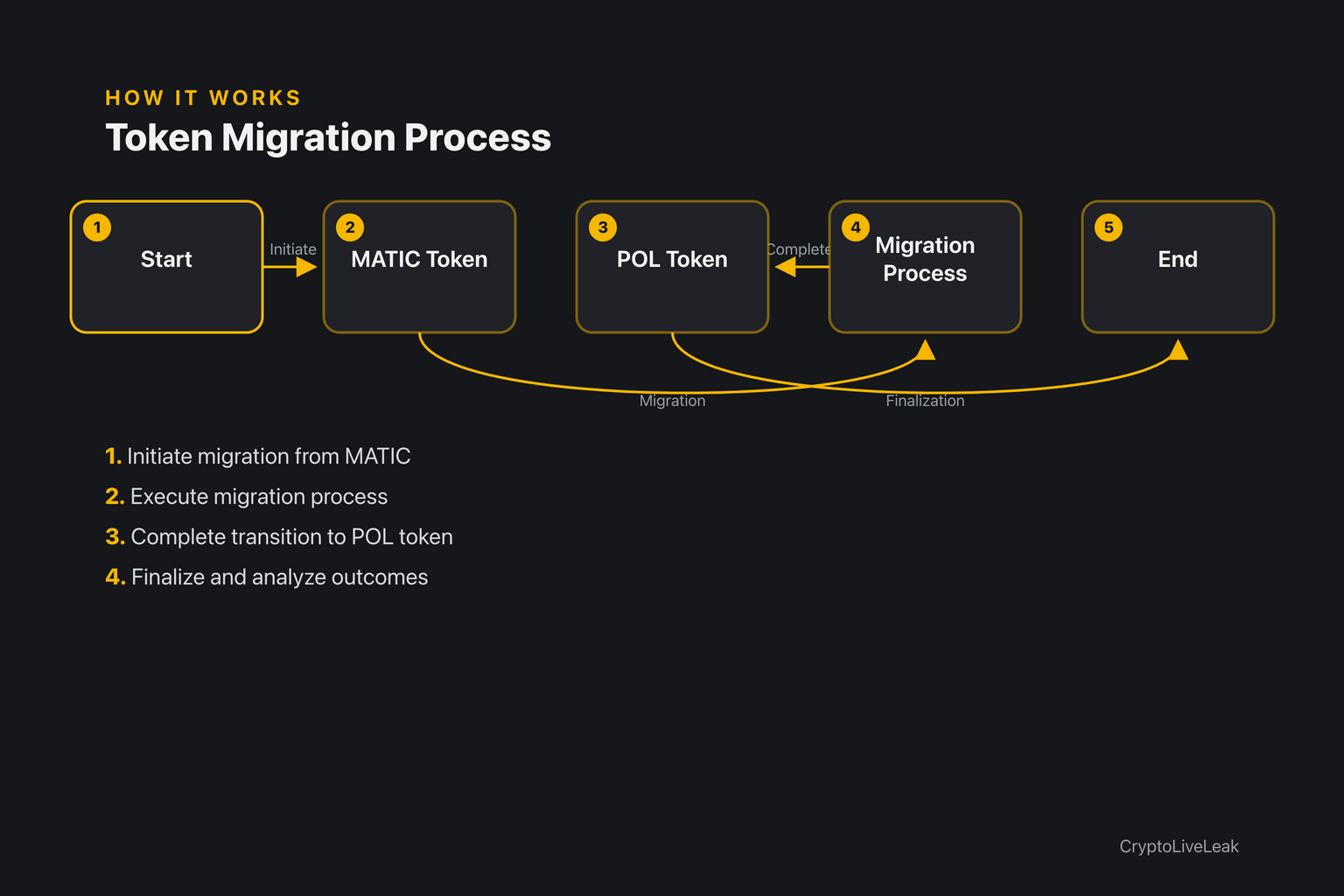
How it works
Initiate migration from MATIC
- Read the report to understand the migration process.
- Analyze the tokenomics and staking dynamics.
- Evaluate the competitive landscape and risks.
Requirements
- A current WordPress install
Installation
- Download the report from the marketplace.
- Open the report in your preferred PDF viewer.
Frequently asked questions
Show allShow less
What is the focus of the Polygon POL Asset Report?
The report analyzes the POL token's ecosystem transformation and competitive positioning.
Who is the target audience for this report?
It's designed for institutional investors and protocol analysts.
What are the key topics covered in the report?
It covers tokenomics, staking, AggLayer strategy, and competitive analysis.
How does the report assess Polygon's tokenomics?
It examines the MATIC-to-POL migration and staking dynamics.
What are the risks identified in the report?
It identifies risks related to token inflation and market competition.
Support & documentation
- Support: contact@cryptoliveleak.com
In Blockrelations's own words. See it at Blockrelations