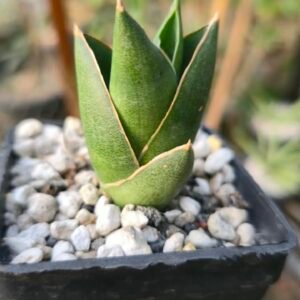
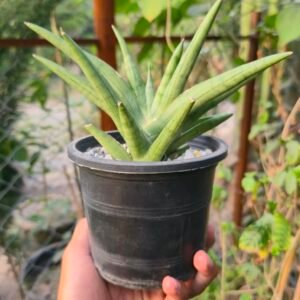
Leaf length: Up to 2 feet (60 cm) long
Flowers:
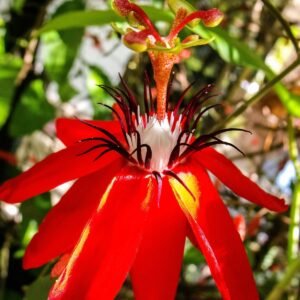
Flowers appear on a very tall stalk (up to 20 feet) after many years (typically 10–25 years)
Pale yellow to greenish flowers
Monocarpic: the plant dies after flowering, but often produces pups before or after flowering
☀️ Light Requirements
Outdoors:
Thrives in full sun
Can tolerate partial shade, but variegation is more vibrant in full sunlight
Indoors:
Needs the brightest spot possible, ideally near a south or west-facing window
May require supplemental grow lights in low-light conditions
🌡️ Temperature & Humidity
Temperature:
Prefers temperatures between 20–30°C (68–86°F)
Can tolerate heat but should be protected from freezing temperatures
Hardy down to around -6°C (20°F) if dry, but best overwintered indoors in cooler climates
Humidity:
Thrives in low humidity
Good air circulation helps prevent fungal issues
💧 Watering Routine
Spring to Autumn:
Water when the soil is completely dry
In warm weather, this may be every 10–14 days
Water deeply but ensure thorough drainage
Winter (Dormancy):
Water very sparingly — once a month or less
Only water if the leaves start to wrinkle
🚫 Avoid overwatering, as Agaves are highly susceptible to root rot.
🌱 Soil Requirements
Type:
Well-draining, gritty soil
Ideal mix:
50% cactus/succulent mix
25% coarse sand
25% pumice or perlite
pH: Slightly acidic to neutral (6.0–7.0)
Plant in containers with drainage holes to prevent water retention.
🌾 Fertilizing
Growing Season:
Fertilize once a month in spring and summer
Use a balanced, diluted succulent fertilizer (10-10-10 NPK)
Winter:
No fertilization needed during dormancy
✂️ Maintenance and Pruning
Remove:
Dead, damaged, or dried leaves from the base
Offsets (pups) if desired, to control size or for propagation
Wear gloves when handling due to sharp spines and teeth.
🌿 Propagation
Offsets (Pups):
The primary method of propagation
Gently separate pups from the base using a clean, sharp knife
Allow the offset to callous for 2–3 days
Plant in dry, well-draining soil and water lightly after a few days
Seeds: Rare, especially for variegated types, and often not true to type.
🛡️ Common Problems
Overwatering: Leads to root rot and fungal infections
Sunburn: Sudden exposure to intense sun can scorch leaves
Pests: Watch for:
Mealybugs
Agave Snout Weevil (particularly outdoors)
Scale insects
Leaf Spot: Fungal diseases can occur if kept in wet or humid conditions.
🎍 Decorative Use
Excellent for:
Rock gardens
Desert or xeriscape landscapes
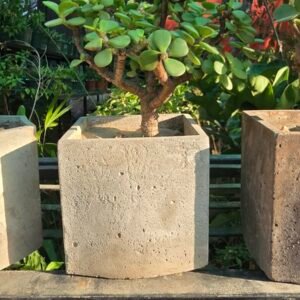
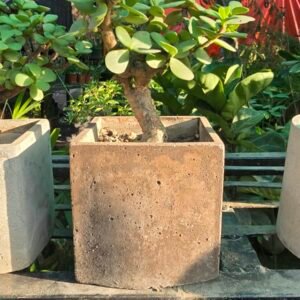
Large decorative pots for patios
Indoor focal plants near bright windows
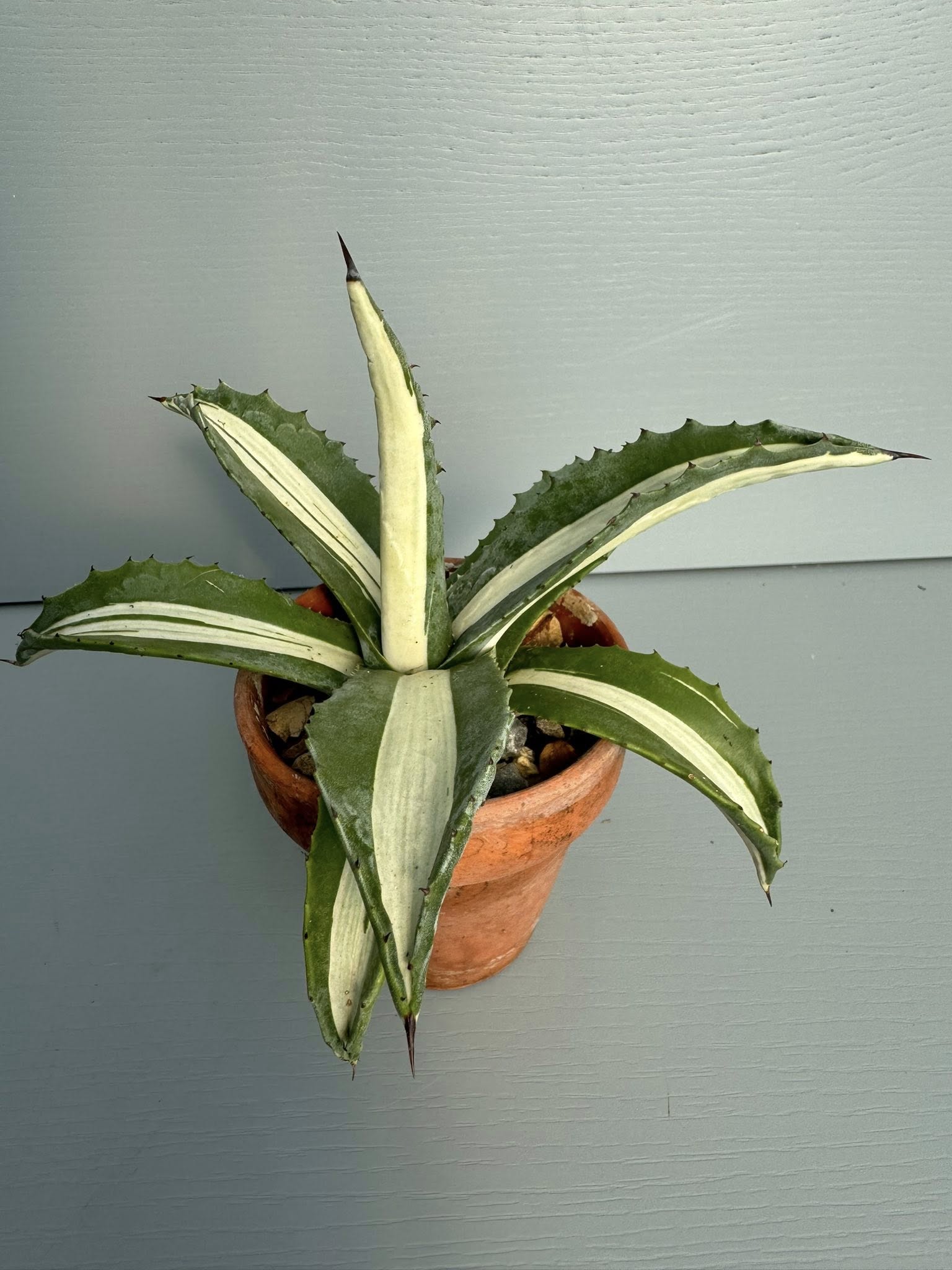
Its bold variegation and symmetrical form make it highly ornamental, even without flowering.
✅ Conclusion
Agave mediopicta ‘Alba’ is a spectacular, low-maintenance succulent that combines resilience with striking beauty. By providing full sun, minimal water, well-drained soil, and occasional feeding, this plant can thrive for years as a stunning centerpiece indoors or in drought-tolerant landscapes.