Blooms:
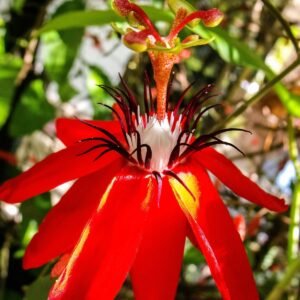
Creates towering spikes of orange-red tubular blooms
Primarily blooms during late spring and summer
draws pollinators like hummingbirds and bees
Requirements for Lighting
Inside:
Likes brilliant, indirect light
It thrives close to windows facing south or west.
Protect from harsh midday sun to avoid leaf scorch, but tolerate some direct morning sun.
Outdoors:
loves full sun to moderate shade
Although it can tolerate varying amounts of light, it does well with at least 4–6 hours of direct sunlight every day.
Tip: More light will improve the color and blooming of the leaves.
Humidity and Temperature
Temperature:
Best range: 15–27°C (59–80°F)
Surprisingly cold-tolerant for a succulent: can endure temperatures as low as -5°C (23°F) for a short period of time
The USDA zones 8–11 are the ideal places to grow it.
Humidity:
Favors low to moderate humidity
Good ventilation is essential to avoid fungal problems in high humidity.
💧 Watering Schedule
The Growing Season (Spring to Autumn):
When the top 2 inches of soil dries, water.
Usually, the light and temperature are taken into account every 10–14 days.
Water the plant well, but make sure there is no residual water in the container.
Winter (Dormancy):
Use water sparingly — approximately once every three to four weeks
Let the soil dry out completely between waterings.
The most prevalent issue with Aloe aristata is root rot, which is caused by overwatering.
Requirements for Soil
Type:
requires gritty, well-draining soil
Recommended mix:
half cactus and half succulent soil
25% pumice or perlite
25% fine gravel or coarse sand
pH: mildly acidic to neutral (6.0–7.0)
Make sure pots have drainage holes to avoid holding onto too much moisture.
🌾 Fertilization
Fertilize throughout the spring and summer (active growth season):
Use a diluted, balanced liquid fertilizer or cactus/succulent fertilizer.
Give food once every four to six weeks
Avoid fertilizing in the fall and winter when growth slows.
Maintenance & Pruning
Needs little upkeep:
Take out any dried or dead leaves from the bottom.
After blooming, trim dead flower stalks.
To get rid of dust, gently wipe the leaves from time to time.
🌿 Propagation
Offsets (Pups):
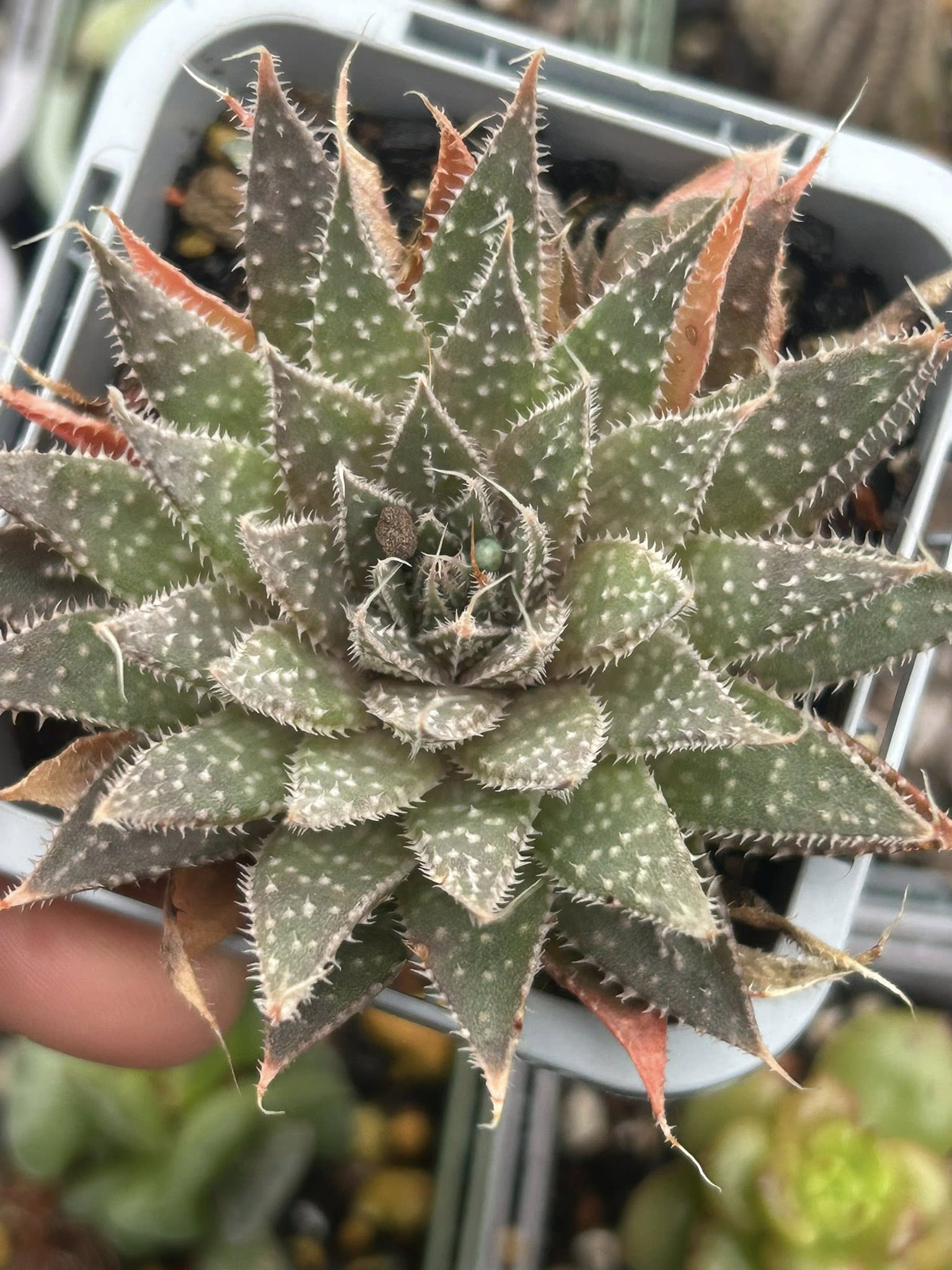
Around the base, Aloe aristata generates several offsets.
When puppies have a few roots, separate them.
Plant in dry, well-draining soil after allowing the cut surfaces to callus over for one to two days.
Seeds: Seldom reproduced by seed in residential settings but possible if you have patience.
The simplest and quickest technique of propagation is by pups.
Common Issues
Root rot, mushy leaves, and other symptoms of overwatering
Underwatering: Leaves may wrinkle
Insects: Usually pest-resistant, but may occasionally draw in:
Mealybugs
Aphids
Spider mites
Use insecticidal soap or neem oil to manage pests if necessary.
⚠️ toxicity
If consumed, it is moderately harmful to pets (cats and dogs).
Keep out of the reach of inquisitive animals since it might irritate the digestive system.
🎍 Use for decoration
Perfect for:
Indoor containers
rock gardens
Succulent beds outside
Moderate climate boundaries
arrangements of mixed succulents
Its beautiful leaf texture, simplicity of maintenance, and bright blooms make it a remarkable complement to any plant collection.
The end.
Ideal for growing inside and outside, aloe aristata is a hardy, beautiful, and beginner-friendly succulent. It flourishes with little care as long as it has enough sunlight, water, and well-draining soil, resulting in striking foliage and seasonal blooms.