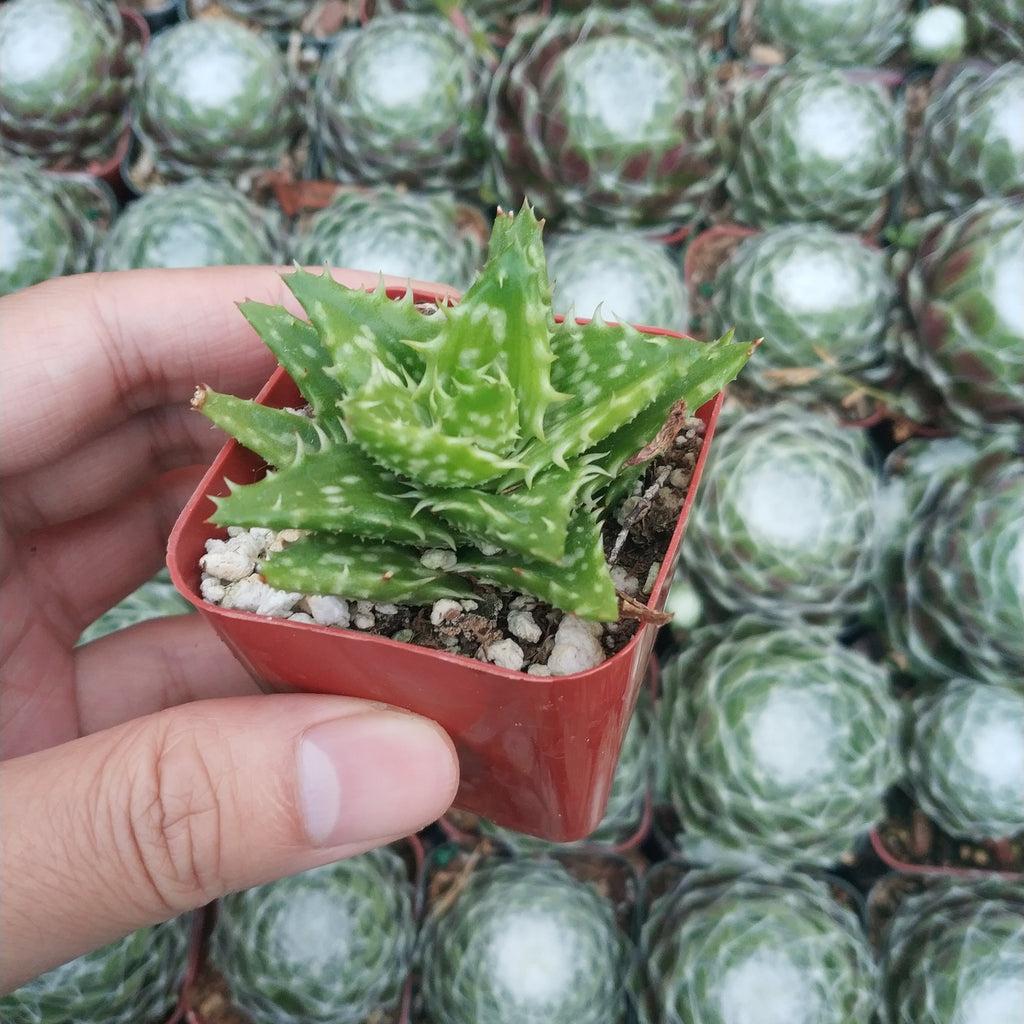
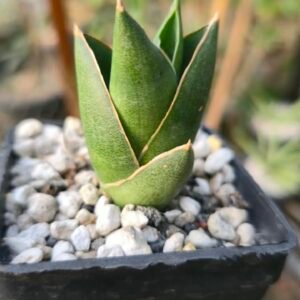
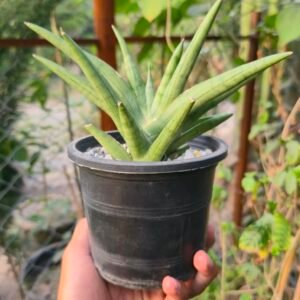
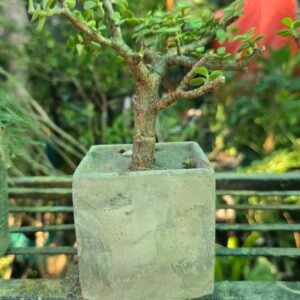
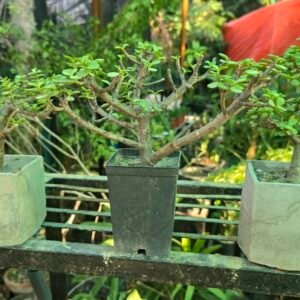
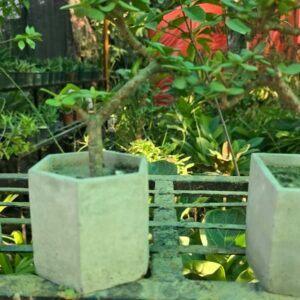
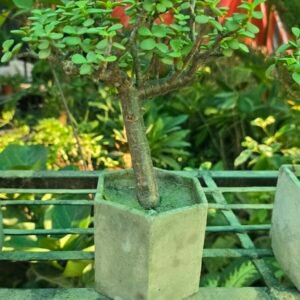
Forms upright stems that may eventually bend and spread out.
produces offsets or pups at the base
Flowers:
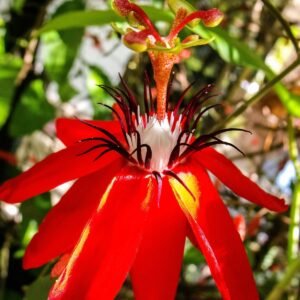
The tubular orange-red blooms are displayed on tall flower stalks.
Depending on the environment, they often bloom in the spring or summer.
Demands for light
Indoors:
Needs indirect, bright light
A window facing south or east is perfect.
Although it can withstand some direct morning sunlight, the intense midday sun inside may scorch leaves.
Outdoors:
favors full sun over partial shade
The leaves’ reddish color is made more pronounced by the greater sunlight outside.
To avoid sunburn, slowly get used to direct sunlight.
A sign of insufficient light is when a plant gets leggy.
🌡️ Temperature and humidity
Temperature:
Between 18 and 30 degrees Celsius (65 and 85 degrees Fahrenheit), it flourishes.
Protect against temperatures below 5°C (41°F) since they are not frost-resistant.
Humidity:
Dryness is preferable than moderate humidity.
Perfect for indoor settings that don’t require additional humidity
💧 Watering Schedule
The growing season (spring to autumn):
Water thoroughly if the top 1–2 inches of soil are dry.
Generally, every 10–14 days, depending on the weather
Winter Dormancy:
About once a month, water less often
Before watering, make sure the soil is completely dry.
To avoid rot, prevent water from collecting in the leaf rosettes.
Requirements for the Soil
Kind:
Needs soil that drains well
A good combination consists of:
50% succulent/cactus combination
25% pumice or perlite
25% rough sand
Neutral to somewhat acidic pH range of 6.0 to 7.0
To prevent water buildup, pots should have drainage holes.
🌾 fertilizing
During the growing season (spring to summer), fertilize:
Use a half-strength diluted, balanced liquid fertilizer.
Feed monthly
Avoid fertilizing in the winter when the plant is dormant.
Maintenance & Pruning
Minimal upkeep
Remove:
dead or dried leaves from the base
used flower stalks
To improve light absorption, dust should be removed sometimes.
🌿 Propagation
Offsets (Pups):
at the bottom, a large number of pups are produced
When the puppies are large enough and have some roots, take them away.
Before planting in dry soil, let the offsets callus for a day or two.
Stem Cuttings:
Long stems can be re-rooted by chopping them.
Prior to replanting, let the cutting dry and become callous.
Seeds are less frequent but can occur if blooms are pollinated.
🛡️ Typical Issues
Excessive irrigation causes root rot and mushy leaves.
Insufficient watering can cause the leaves to wrinkle.
Scale, aphids, and mealybugs are pests.
Sunburn: A rapid exposure to strong sunlight can result in tanning.
Check for pests under leaves and near the base at all times.
Ornamental Application
Perfect for:
Window sills
Plants in containers
Rock gardens
Indoor succulent exhibitions
Its small size and eye-catching design make it ideal for tiny areas or groupings with other succulents.
At the end, we may draw a conclusion.
The adaptable and beautiful succulent aloe juvenna is ideal for both indoor and outdoor environments. Its low water requirements, simple reproduction, and tiger-like, toothed leaves make it a simple addition to any plant collection.