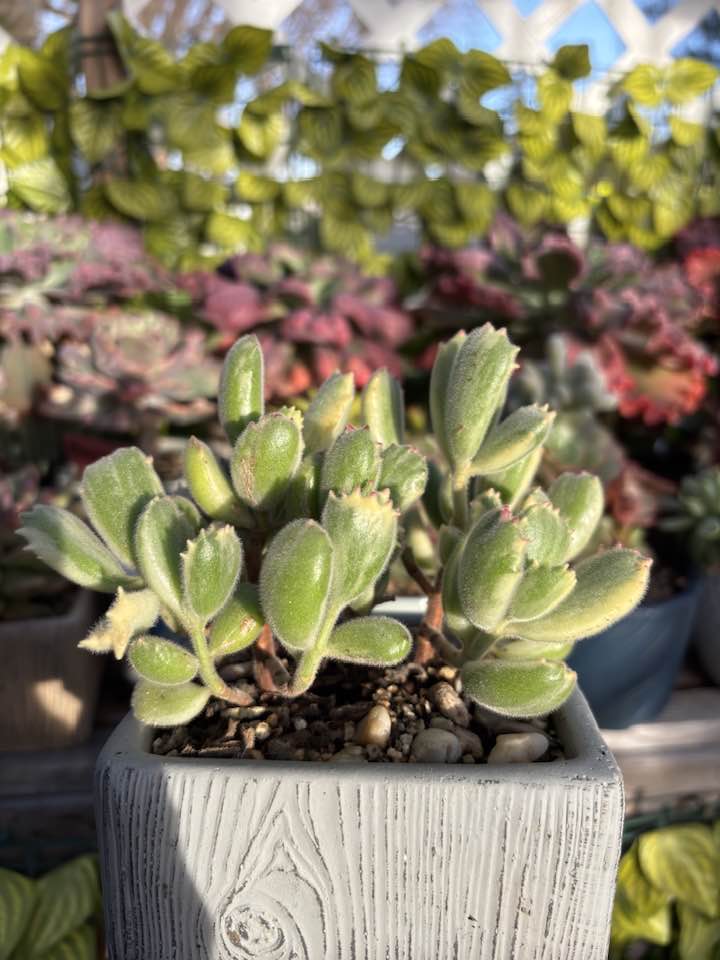
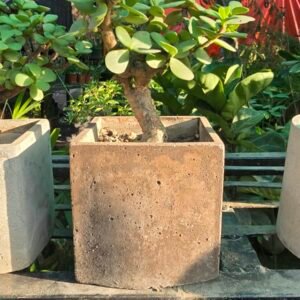
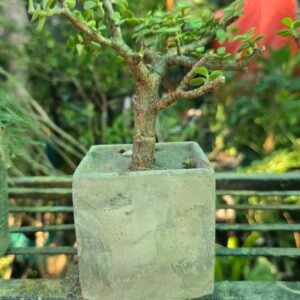
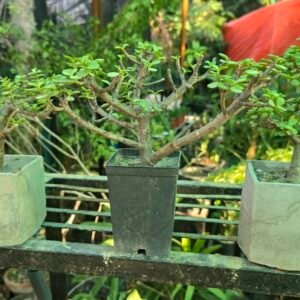
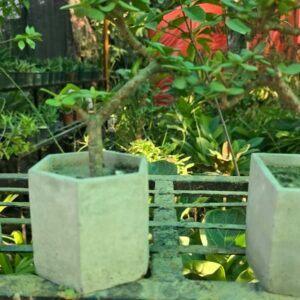
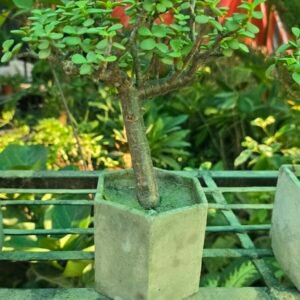
When exposed to bright light, leaf tips may become red or pink.
Flowers:
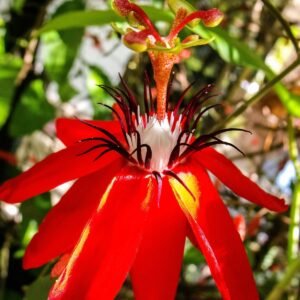
orange to coral red blooms that are bell-shaped in the spring or early summer
Flowers bloom on erect stems above the leaves.
Needs for Illumination
Inside:
Requires 5–6 hours of strong, indirect sunlight every day
The best orientation for a window is south or east.
Variegated leaves can be burned by direct strong afternoon sunlight.
Outside:
likes morning sun with afternoon shade
Non-variegated types are less susceptible to sunburn than variegated ones.
The variegation and reddish leaf tips are accentuated by the brilliant, filtered sunlight.
Humidity and Temperature
Temperature:
Ideal range: 18–27°C (65–80°F)
Avoid exposure below 5°C (41°F) since it is not frost-tolerant.
Bring the plant inside if the outdoor temperature gets lower.
Humidity:
Grows well in low to moderate humidity
The likelihood of contracting fungal illnesses can be increased by excessive humidity.
Maintaining healthy, rot-free foliage requires good air movement.
💧 Watering Schedule
Spring to Autumn (The Growing Season):
Water thoroughly when the top 2 inches of soil are dry
In general, the interval is between 10 and 14 days, taking into account the indoor environment.
Use the soak and dry approach, making sure there is no standing water in the pot.
Winter (Dormancy):
Water sparingly, about once every three to four weeks.
Because leaves store water, it is safer to water less often.
Root rot and leaf drop are mainly brought on by excessive watering, especially in variegated forms.
🌱 Soil Needs
Kind:
Requires soil that is conducive to the growth of cacti and succulents and that drains effectively.
Optimal combination:
half cactus mix
25% pumice or perlite
25% coarse sand
pH: Between neutral and mildly acidic (6.0 to 7.0)
To avoid soggy soil, always use pots that have drainage holes.
🌾 Fertilizing
Feed during the spring and summer (the time of active growth).
Once every four to six weeks, apply a diluted cactus/succulent fertilizer.
Stay away from fertilizers with a lot of nitrogen, as they can promote leggy growth.
Autumn and winter are not feeding periods.
✂️ Upkeep & Pruning
Take out:
leaves that are dried up or dead
Flower stalks after blooming
Light pruning can encourage branching and help preserve shape.
To prevent breaking the delicate, thick leaves, handle them with care.
🌿 Propagation
Stem Cuttings:
The best technique is to plant in dry soil after cutting a healthy stem and letting it callous for a few days.
After a week, when the roots begin to develop, water lightly.
Leaf Cuttings:
Although possible, stem cuttings are less effective.
Offsets:
Sometimes, offsets are formed at the base that may be separated.
Common Issues
Excessive watering leads to root rot, leaf yellowing, and mushiness.
Underwatering: Leaves that are wrinkled and shriveled
Mealybugs, spider mites, and aphids are among the pests that may strike.
Sunburn: Excessive exposure to direct sunlight causes brown, crunchy spots to form on variegated leaves.
Keep up a regular watering routine and treat pests with neem oil or insecticidal soap.
⚠️ Toxicity
If consumed, it is harmful to pets.
Keep it away from dogs, cats, and kids.
🎍 For ornamental purposes
Ideal for:
Displays of succulents indoors
Window or shelf plants
pots for decoration
lush bouquets
Because of its plump, vibrant leaves, it is a surefire conversation starter in any collection.
Conclusion
The Bear Paw Variegated is a lovely but somewhat fragile succulent that does well in well-draining soil, bright light, and careful watering. Its creamy variegation on its fuzzy, claw-like leaves gives your plant collection a touch of beauty and individuality.