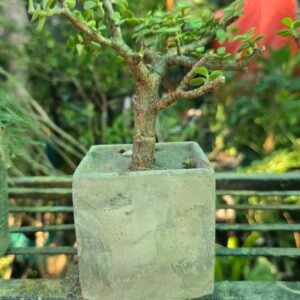
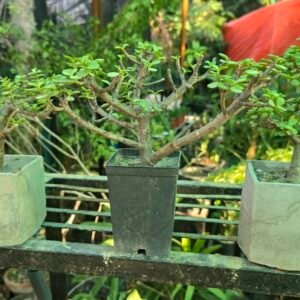
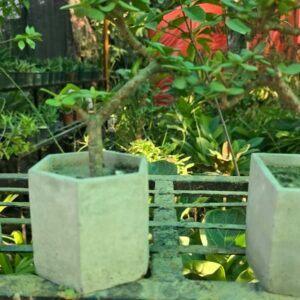
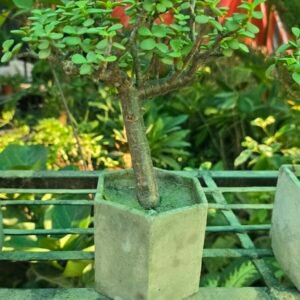
General Overview
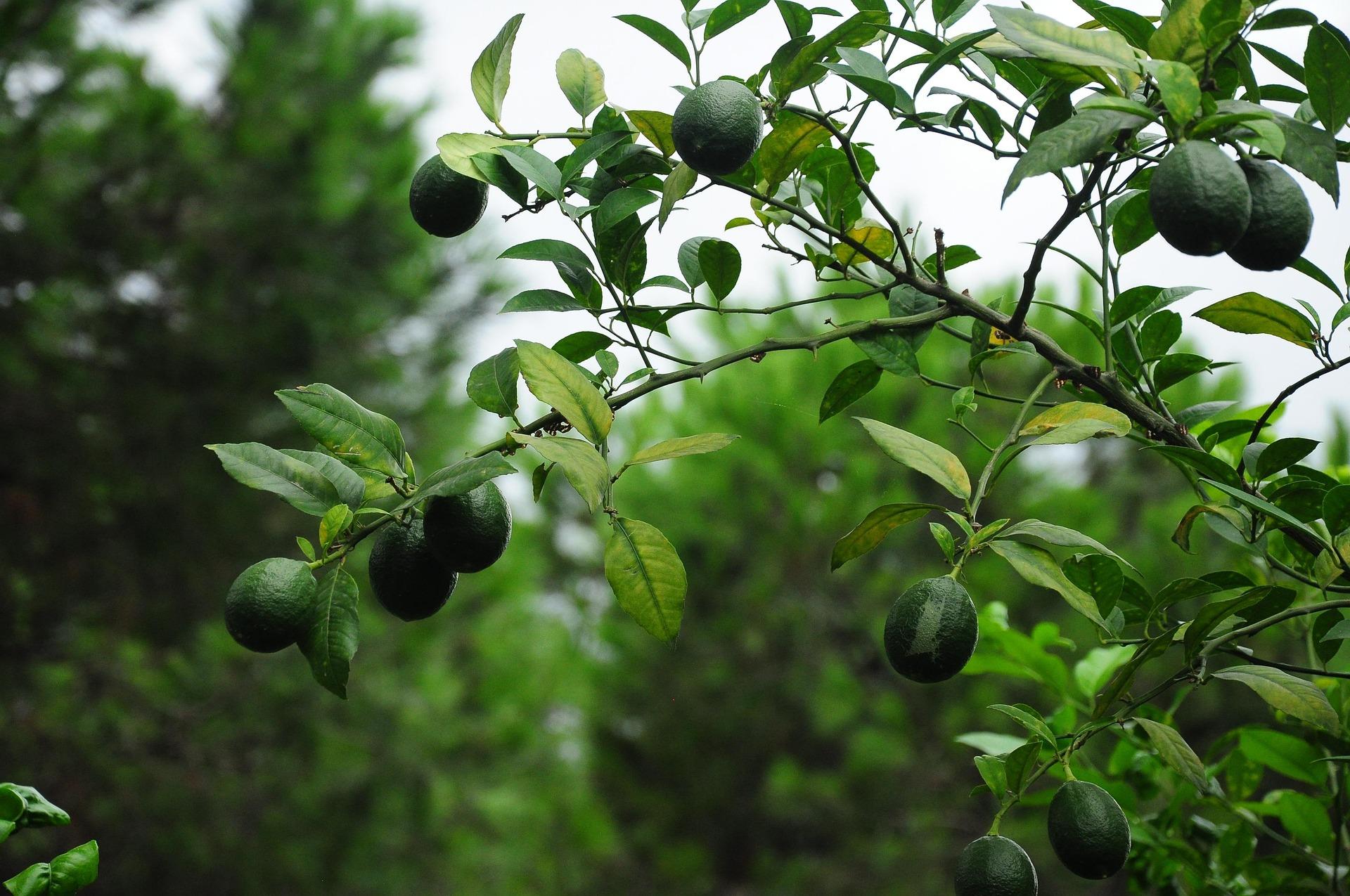
Citrus limon (Indian cultivar) is the botanical term for it.
Common names: Kagzi Nimbu, Desi Lemon, Indian Lemon, Nimbu
Evergreen fruit trees are the plant type.
Height: 6 to 12 feet (1.8 to 3.6 meters), but more if not trimmed.
Coverage: between 4 and 6 feet (1.2 and 1.8 meters)
Foliage: Aromatic, lustrous, and dark green leaves
Flowers: tiny, white, blooms with a strong scent that bloom in flushes
Fruit: Small to medium yellow lemons with thin skin and a lot of juice
Fruit season: Many harvests occur throughout the year, especially during the summer and following the monsoon.
💧 Watering Schedule
During the growing and fruiting seasons, in particular, Desi Lemon needs consistent and careful watering.
Young trees (0–2 years old):
Use water two to three times a week.
Keep the soil a little moist but not saturated.
Trees that are mature:
Water thoroughly every 7 to 10 days during the warmest months.
Reduce watering depending on rainfall during monsoons.
Water every two to three weeks during the winter, depending on how dry the soil is.
Due to their smaller size, container plants dry out more quickly. To see if there is moisture, insert your finger 1–2 inches into the skin.
Don’t water too much. Root rot can occur when lemons have “”wet feet”” (waterlogged roots).
Requirements for Temperature and Sunshine
Light:
Needs 6–8 hours of direct sunshine every day.
perfect for patios, balconies, and outdoor gardens.
Not enough sunlight results in less blooms and fruits.
Temperature:
20–35°C (68–95°F) is the ideal temperature for growth.
If adequately watered, can withstand temperatures up to 40°C.
Frost-sensitive. Grow in pots that may be brought inside or shield them during the winter months in colder climates.
Needs for Fertilizer and Soil
Soil:
loamy, well-drained soil high in organic matter is favored.
Stay away from clayey or water-retaining soils.
pH: Between 6.0 and 7.0, it ranges from somewhat acidic to neutral.
Fertilizer:
Organic choices:
Apply compost, cow manure, or vermicompost every 45 to 60 days.
For calcium, include crushed eggshells or wood ash.
Chemical choices:
Every six weeks throughout the growth season (spring through early fall), use a balanced NPK (10-10-10) or a citrus-specific fertilizer.
Incorporate micronutrients such zinc and magnesium twice a year.
Magnesium sulfate (Epsom salt): To promote greener foliage, add 1 tablespoon to each gallon of water every 2 to 3 months.
Maintenance and pruning
The ideal time to prune is late winter or early spring, just before blooming.
Why should we prune?
Take out any branches that are dead, sick, or crossing.
Manage the size and form of the airflow and sunlight.
Encourage healthier fruit production and new development.
Mulching: To keep moisture and weeds at bay, apply organic mulch (dry leaves, grass, compost) around the base, but avoid contact with the trunk.
Techniques for Propagation
From seeds (simple but slow):
in damp soil, germinate. Fruits take three to five years to mature.
Not always accurate to the parent species.
Cuttings:
Cut half-hardwood with 3–4 nodes.
Apply a rooting hormone. It may take four to six weeks to root.
Grafting is the best technique.
Conducted on rootstocks such as Rough Lemon or Karanja.
Quicker fruiting (within 2–3 years).
Increased uniformity and disease resistance.
Common Issues and Bugs
Despite being hardy, Lemon trees may attract:
citrus psyllid, mealybugs, aphids
scale insects, leaf miners
sooty mold (usually caused by bug excrement) and canker
Natural remedies:
Apply neem oil solution by spraying every 15–20 days.
For mild infestations, use garlic-chili water spray.
Maintain cleanliness and adequate airflow around the base.
Uses and Harvesting
Depending on the variety, lemons are ready to harvest when they are completely yellow or light green.
Use in:
preparing food, pickling, and revitalizing beverages such nimbu pani and shikanji
Ayurveda and Cleaning
To avoid harming the branch, carefully slice or twist the fruit.
✅ Conclusion
The ideal combination of productivity, resilience, and cultural relevance is Desi Lemon. It provides year-round greenery, delectable fruit, and a solid link to the tradition of growing one’s own food, regardless of whether it is cultivated in the ground or in a container. Your Desi lemon plant will flourish for many years with sufficient sunshine, moderate feeding, and close monitoring for pests.”