🌿 Botanical Overview
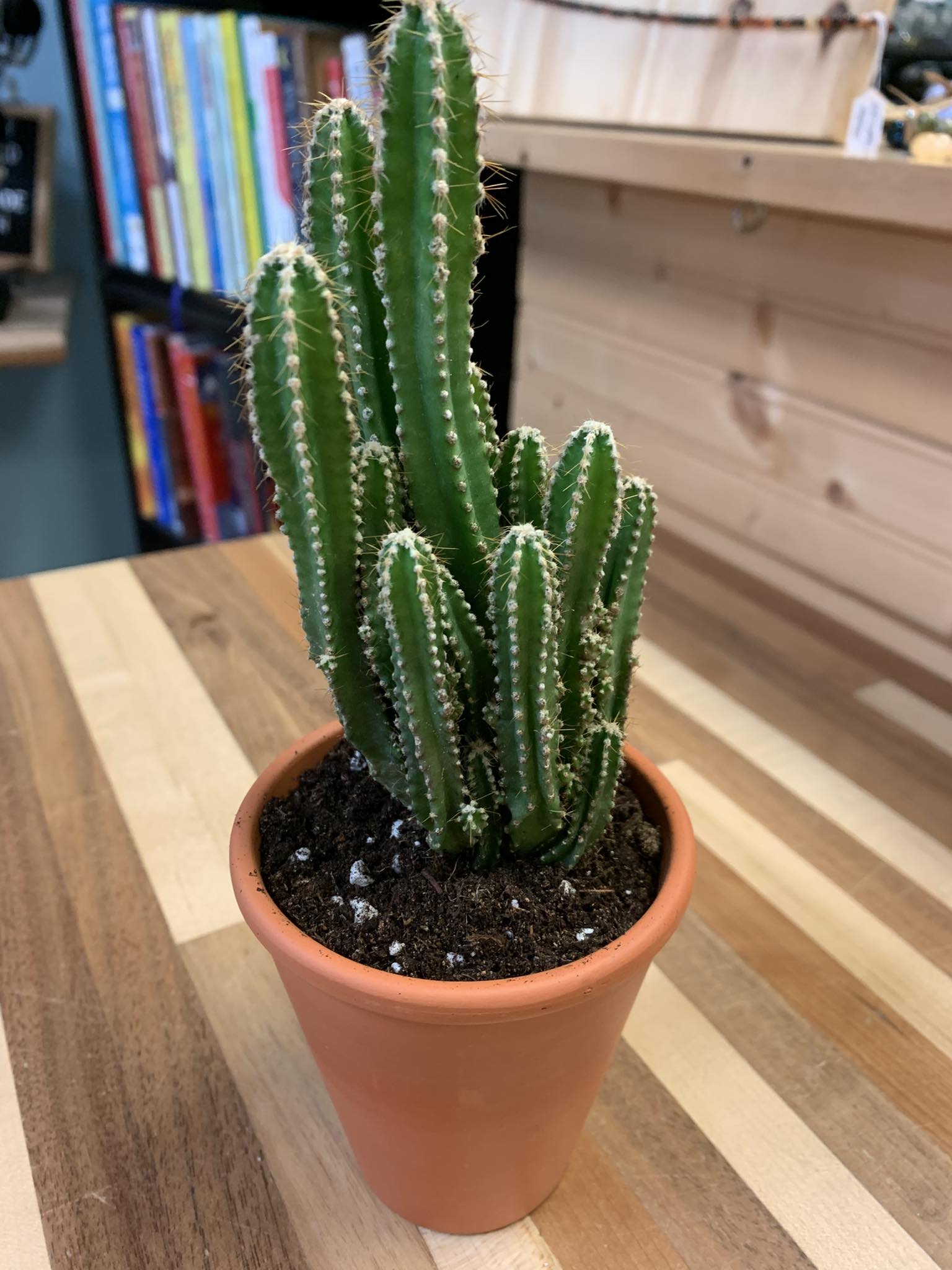
Scientific Name: Acanthocereus tetragonus ‘Fairy Castle’
Common Name: Fairy Castle Cactus
Family: Cactaceae
Origin: Cultivar of Acanthocereus tetragonus, native to the Americas
Type: Evergreen, perennial cactus
Size:
Height: Up to 6 feet (180 cm) in the wild, though usually 1–2 feet indoors
Spread: 6–12 inches wide
Growth Habit: Columnar, densely branched, slow-growing
Stems: Green, ribbed with small, white spines along the ridges
Flowers: Rare in cultivation; large, white, nocturnal blooms in mature plants
☀️ Sunlight and Temperature Requirements
Sunlight:
Prefers bright, indirect sunlight
Indoors: Position near a south or west-facing window
Outdoors: Thrives in partial to full sun but may need protection from harsh midday rays
Temperature:
Ideal: 18–32°C (65–90°F)
Minimum: 4°C (40°F) — should be brought indoors if temperatures drop below this
USDA Hardiness Zones: 10–11
🌞 Too much direct, intense sunlight can cause sunburn, while too little light leads to leggy, weak growth.
💧 Watering Routine
Growing Season (Spring to Fall):
Water when the top 2 inches of soil are completely dry
Typically every 10–14 days, but frequency varies by climate and pot size
Dormant Season (Winter):
Water sparingly, about once a month
Avoid watering if temperatures are cold to prevent rot
💧 Always use the soak and dry method — thoroughly saturate the soil, then let it dry completely before the next watering.
🌱 Soil Requirements
Type:
Use a well-draining cactus/succulent mix
Enhance drainage with perlite, pumice, or coarse sand
pH Level: Neutral to slightly acidic (6.0–7.0)
Good drainage is essential to prevent water retention and root rot.
🌾 Fertilizing Schedule
Active Growth (Spring to Late Summer):
Fertilize every 4–6 weeks with a balanced, diluted cactus fertilizer
Use formulas with low nitrogen to promote healthy growth
Winter:
No need for fertilizing during dormancy
🧪 Over-fertilizing can lead to unnatural, rapid, weak growth that can collapse.
✂️ Pruning and Maintenance
Pruning:
Rarely needed, but you can trim:
Damaged or discolored stems
Unwanted or excessively tall columns to encourage compact growth
Use sterile, sharp scissors or pruning shears
Maintenance Tips:
Rotate the pot occasionally for even light exposure
Dust the stems gently with a soft brush
🌿 Propagation
Stem Cuttings:
Cut a healthy stem segment with a clean knife.
Allow the cutting to callous for several days in a dry, shaded area.
Plant in dry, well-draining soil.
Water lightly after the first 7–10 days.
Offsets:
Some mature plants produce pups near the base which can be separated and rooted.
🌱 Propagation is generally easy and successful, making it ideal for beginners.
🐛 Pests and Diseases
Common Pests:
Mealybugs
Spider mites
Scale insects
Diseases:
Root rot from overwatering
Fungal infections in high humidity or poor ventilation
🛡️ Treat pests with insecticidal soap or neem oil and maintain a dry, well-aerated environment.
🏡 Decorative and Landscaping Uses
Indoor Decoration:
Suited for window sills, sunny rooms, and offices
Great in decorative ceramic pots
Outdoor Landscaping:
Used in rock gardens, cactus gardens, and xeriscapes
Excellent for low-water landscaping
Companion Plants:
Pair with other succulents like Haworthia, Echeveria, or small Agave species.
📸 Its castle-like form makes it a photogenic centerpiece in plant arrangements.
✅ Conclusion
The Fairy Castle Cactus is a delightfully whimsical, slow-growing plant that’s perfect for beginner gardeners and cactus enthusiasts alike. With minimal water, plenty of bright light, and well-drained soil, it remains healthy, architectural, and strikingly beautiful.
While it rarely flowers indoors, the unique form and minimal maintenance needs more than make up for the elusive blooms.