Flowers:
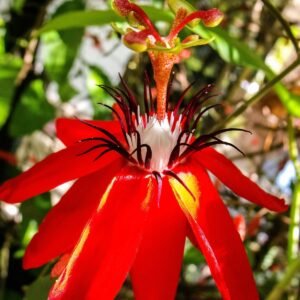
Creates tall, thin stems that bear flowers that are tubular and bell-shaped.
Flowers are usually coral or pinkish with green tips
sometimes blooms, usually from late spring through summer
Requirements for light
Within:
Favors brilliant, indirect lighting
Due to its higher tolerance for low to medium light levels, it is an excellent choice for indoor environments.
Leaves can be burned by prolonged exposure to direct sunshine, particularly in the afternoon.
Outdoors:
Ideal for filtered sunlight or shaded patios
Not frost-tolerant; bring inside if the temperature falls.
Tip: The plant may become elongated and lose its compact shape if there isn’t enough light.
The Temperature and Humidity
Temperature:
Best range: 18–26°C (65–79°F).
While it can withstand brief dips to 5°C (41°F), it favors warmer climates.
ideal for USDA hardiness zones 9–11
Humidity:
Flourishes in typical household humidity levels
Although low humidity is preferable, moderate moisture is acceptable if the air circulates well.
💧 Watering Schedule
From spring through autumn (active growth):
when the top two inches of soil have dried out, water it.
Typically, every 10–14 days, depending on the weather.
Water thoroughly, making sure the water drains, and never allow the plant to sit in water.
Winter (Dormancy):
Water less often, once every three to four weeks.
Let the soil dry out completely in between waterings
Root rot is most often caused by overwatering, especially in the winter.
Requirements for the soil
Kind:
requires a cactus or succulent mix that drains well
You are free to combine:
50% cactus potting mix
25% pumice or perlite
25% gravel or coarse sand
pH: Between mildly acidic and neutral (6.0–7.0)
Always use containers with drainage holes.
🌾 Manuring
Use fertilizers in the spring and summer:
Use a fertilizer that is either made for cacti and succulents or one that is well balanced and diluted.
Give food every four to six weeks.
There is no need for fertilization throughout the fall and winter.
✂️ Maintenance and Pruning
Low upkeep:
Get rid of any dried or dead leaves.
After blooming, trim away old flower stems
The health of plants can be maintained by sometimes dusting the leaves.
Propagation
Pups (Offsets):
At the base, it creates either pups or little offsets.
When they have a few roots, carefully divide and replant them.
Give the offset one to two days to callus over before replanting.
Leaf Cuttings:
Less common, yet feasible; before planting, cuttings should be allowed to callous.
Seeds: Not commonly cultivated because of their hybrid nature.
Offsets make propagation simple and efficient, allowing you to easily grow your collection.
🛡️ Typical Issues
Overwatering: Soft leaves, root rot
Wrinkled, shriveled leaves as a result of underwatering
Pests: typically resistant to pests, but sometimes:
mealybugs
Insects that live on scales
spider mites
Neem oil or insecticidal soap may be used to treat infestations.
⚠️ Toxicity
Safe for both animals and people
Suitable for households with kids and pets
🎍 For Decorative Purposes
Suitable for:
Desks or workplaces inside
Small containers or arrangements of succulents
Terrariums (open)
Outdoor shows with shade
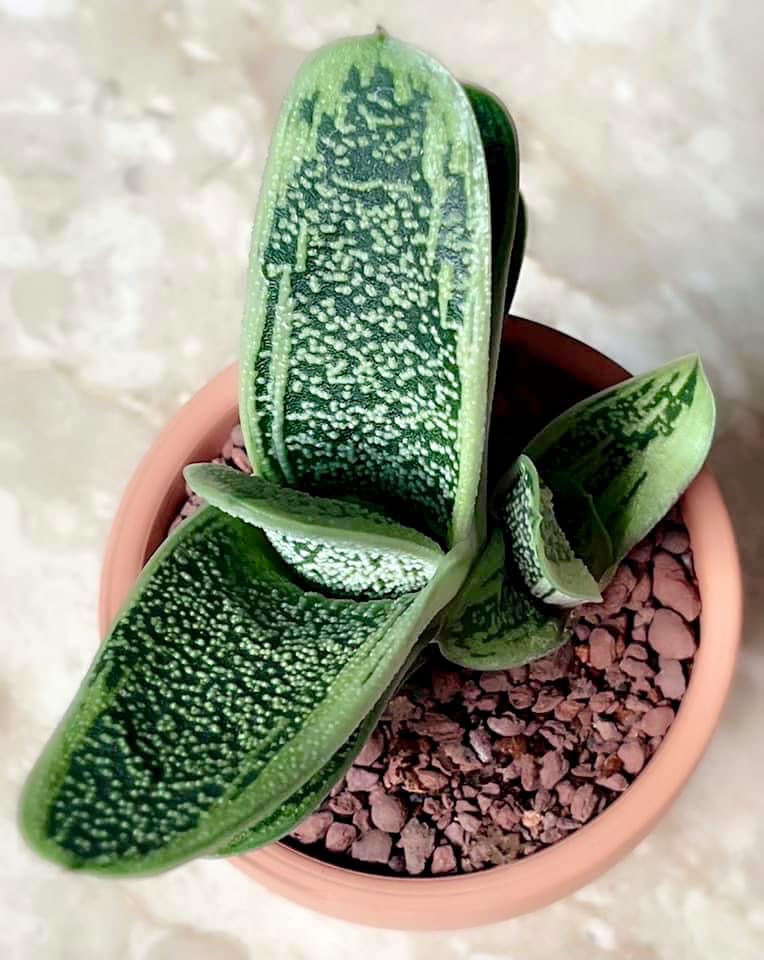
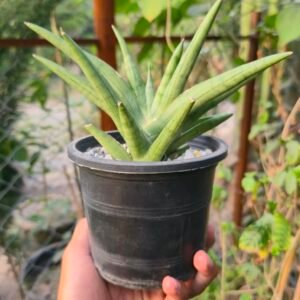
Its distinctive texture, compact shape, and ability to thrive in low light make it a notable addition to any tiny area.
✅ Conclusion
The textured succulent Gasteria ‘Little Warty’ is simple to cultivate and adaptable to a variety of indoor environments. This lovely plant flourishes with minimal effort when provided with bright, indirect sunlight, careful watering, and a well-draining soil mixture. It provides year-round beauty and blooms from time to time.