🌿 Botanical Overview
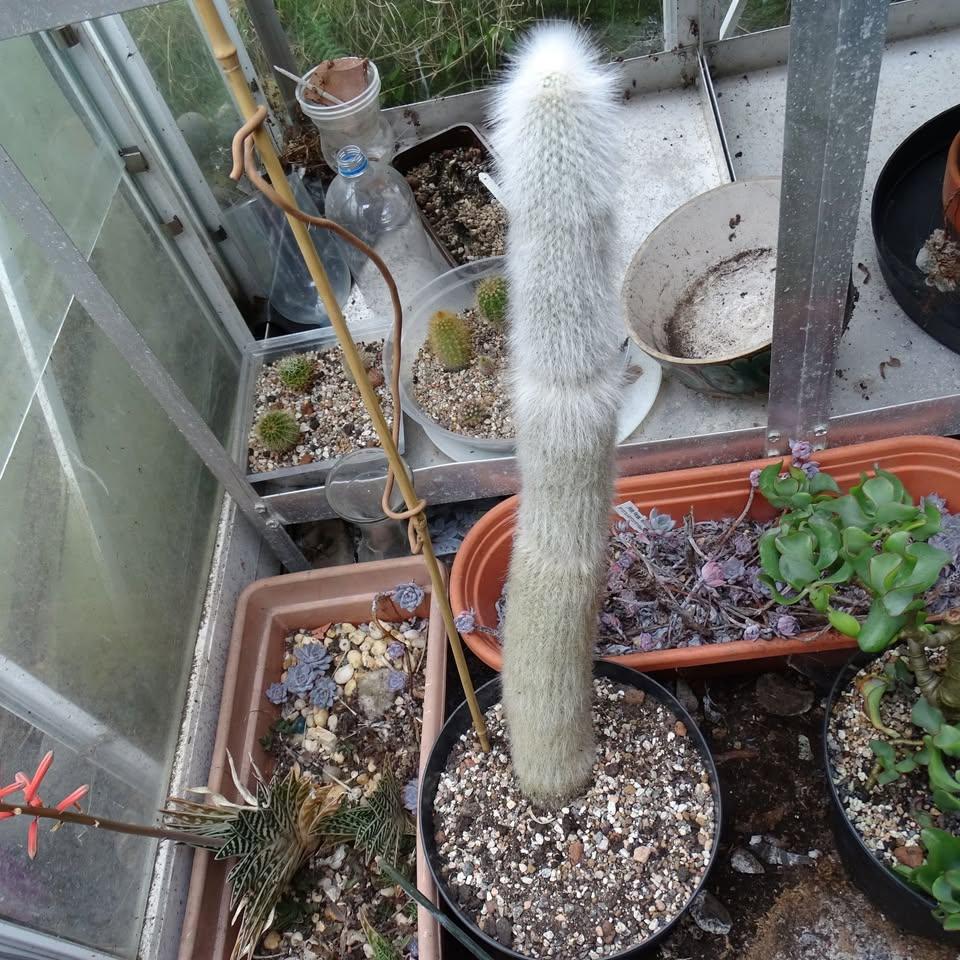
Scientific Name: Cleistocactus strausii
Family: Cactaceae
Origin: Bolivia, Argentina
Growth Habit: Tall, erect, columnar cactus with multiple stems
Size:
Height: Up to 3 meters (10 feet) in its native habitat; typically 1.5–2 meters (5–7 feet) in cultivation
Diameter: Around 5–7 cm (2–3 inches)
Color: Green stems covered in dense, silvery-white spines
Spines: Numerous, short, and hair-like, giving a fuzzy appearance
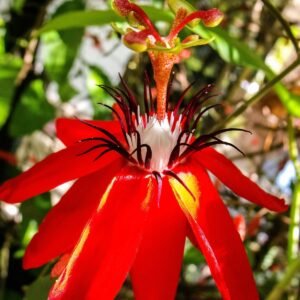
Flowers: Narrow, tubular, bright red to crimson, typically appearing sideways on mature stems
Blooming Season: Summer, often after the plant is several years old
USDA Hardiness Zones: 9b–11
☀️ Sunlight and Temperature Requirements
Sunlight:
Needs full sun for optimal growth and flowering
Requires at least 6–8 hours of direct sunlight daily
Indoors: Place near a bright south-facing window or use high-output grow lights
Temperature:
Prefers temperatures between 18°C and 27°C (65°F to 80°F)
Tolerates temperatures down to –5°C (23°F) if dry
Susceptible to root rot in cold, wet conditions
🌞 Ensure plenty of sunlight to maintain the silvery color and upright growth habit.
💧 Watering Routine
Growing Season (Spring to Early Fall):
Water when the top 2–3 inches of soil are dry
Typically every 10–14 days, adjusting for climate and pot size
Reduce watering frequency in cooler temperatures
Winter Dormancy:
Water very sparingly, perhaps once every 3–4 weeks, or not at all if temperatures are low
Keep the plant dry and cool to prevent rot
💧 Always use the soak and dry method — avoid leaving the pot in standing water.
🌱 Soil Requirements
Type:
Needs well-draining, gritty cactus mix
Recommended mix:
50% commercial cactus soil
30% coarse sand
20% perlite or pumice
pH: Slightly acidic to neutral (6.0–7.0)
Proper drainage is crucial as this cactus is prone to root rot in poorly drained soils.
🌾 Fertilizing Schedule
During Active Growth (Spring to Summer):
Fertilize every 4–6 weeks with a low-nitrogen cactus fertilizer (5-10-10)
Use liquid fertilizers at half the recommended strength
Winter:
No fertilizing necessary
🧪 Excessive fertilizer can lead to weak, leggy growth.
✂️ Pruning and Maintenance
Pruning:
Not typically needed except to:
Remove dead or diseased stems
Trim back if height becomes unmanageable
General Maintenance:
Dust off spines with a soft brush
Rotate for even sun exposure
Stake tall specimens if they begin to lean
⚠️ Handle carefully, as the fine spines can irritate skin.
🌿 Propagation
By Offsets:
Silver Torch Cactus produces offsets (pups) that can be separated and replanted
Let the offset callous for several days before planting in dry soil
By Seeds:
Sow seeds in a cactus mix at 20–25°C (68–77°F) with light moisture
Germination may take 3–6 weeks
Propagation by offsets is faster, while seeds are ideal for growing multiple plants.
🐛 Pests and Diseases
Common Pests:
Mealybugs
Spider mites
Scale insects
Diseases:
Root rot from overwatering
Fungal infections in high humidity
🛡️ Treat pests with neem oil or insecticidal soap. Prevent disease with good airflow and careful watering.
🌸 Flowering and Visual Appeal
Flowers:
Striking red, tubular flowers emerge laterally from mature stems
Flowers are bird-pollinated in the wild, especially by hummingbirds
Rare to flower indoors unless the plant is mature and receives ample light
Decorative Uses:
Ideal for architectural landscaping, xeriscapes, and desert gardens
Beautiful in tall containers or grouped cactus displays
📸 The silvery coating and vertical form provide visual drama in any succulent arrangement.
✅ Conclusion
The Silver Torch Cactus (Cleistocactus strausii) is a graceful, towering cactus that offers visual elegance with minimal care. With plenty of sunlight, careful watering, and well-draining soil, it can thrive for decades, developing into a stunning silvery column that sometimes rewards patient growers with vivid red blooms.”