Source: Science Direct
https://www.sciencedirect.com/topics/food-science/peppermint
Marshmallow Leaves
Marshmallow leaf and root are commonly used by mouth to treat stomach ulcers, diarrhea, constipation, swelling of the stomach lining, and pain and swelling of the mucous membranes that line the respiratory tract. But there is limited scientific evidence to support these and other uses.
Marshmallow forms a protective layer on the skin and lining of the digestive tract. It also contains chemicals that might decrease cough and help heal wounds by decreasing inflammation and fighting certain “bugs”.(microbes).
Source: Web MD
https://www.webmd.com/vitamins/ai/ingredientmono-774/marshmallow
Fennel Seeds
Fennel seeds have a recognizable long, thin shape and are pale green or brown in color, the size and shape resemble rice.
Fennel seeds may help get rid of bacteria that can cause gas in cases of food poisoning or an upset stomach. Fennel seeds may also reduce inflammation. This may help soothe swelling or irritation in the intestines and improve digestion. In some cases, fennel seeds may also relax muscles in the intestines, which can help relieve constipation.
Source: Healthline
https://www.healthline.com/health/fennel-seeds-for-gas
Lemon Balm Leaves
Often said to ease stress and anxiety, lemon balm contains a compound known as rosmarinic acid that appears to have potent antioxidant and antimicrobial properties.
There is growing evidence that lemon balm can help treat symptoms of dyspepsia (upset stomach), irritable bowel syndrome (IBS), and acid reflux. In addition to rosmarinic acid, lemon balm contains citral, citronellal, linalool, geraniol, and beta-caryophyllene, each of which has spasmolytic (anti-spasm) and carminative (anti-gas) properties.
Source: Very Well Health
https://www.verywellhealth.com/the-health-benefits-of-lemon-balm-89388
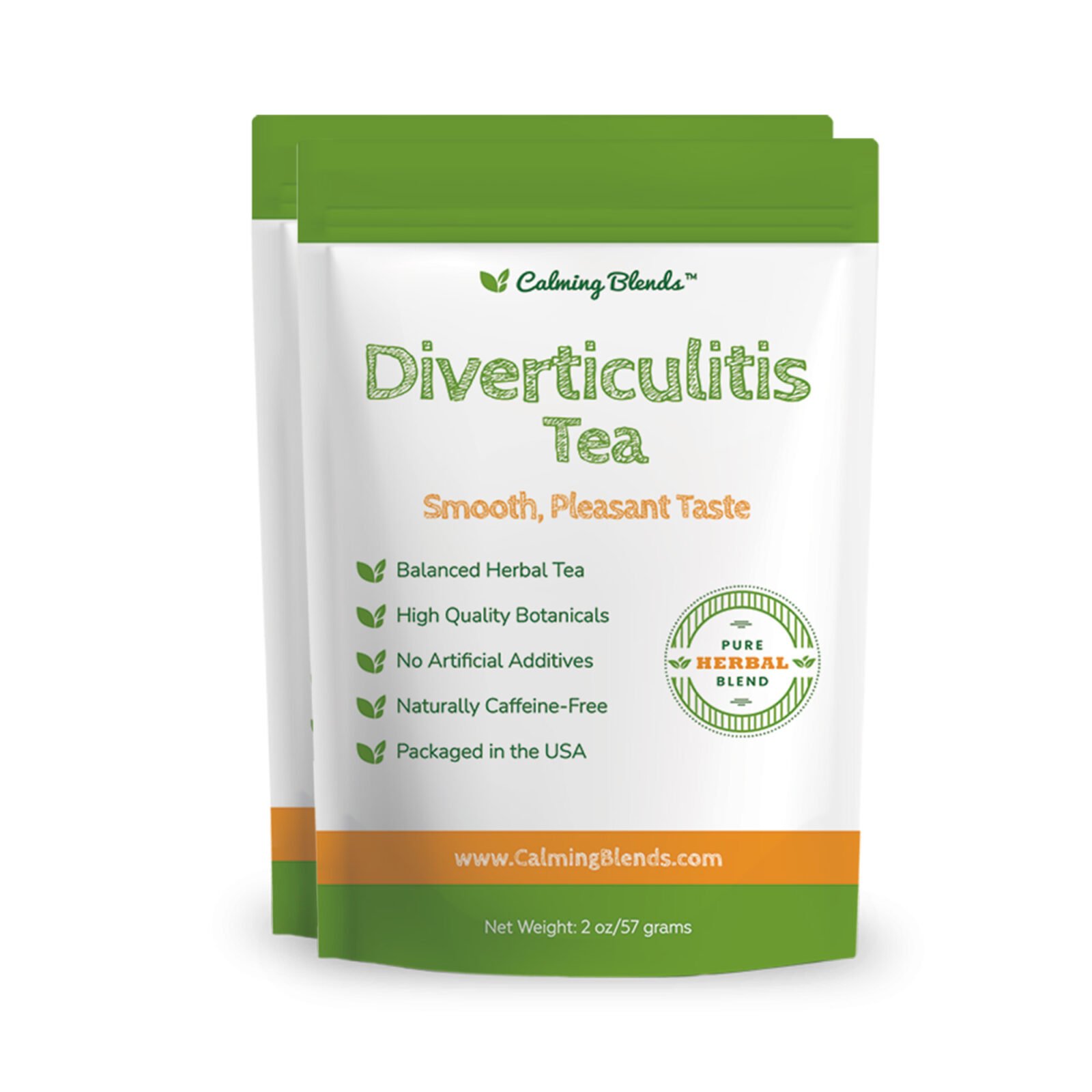
Calming Blends Tea Reviews