About this product
Satin Leaf Tree (Chrysophyllum oliviforme)
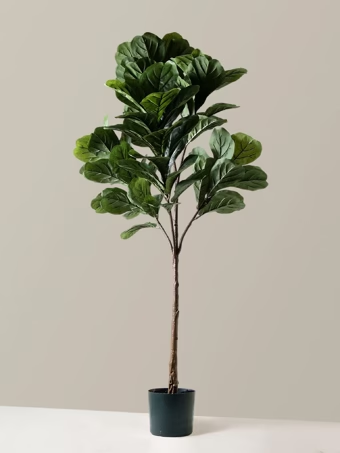
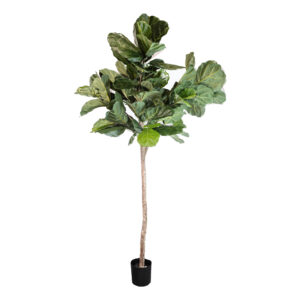
The Satin Leaf Tree, scientifically known as Chrysophyllum oliviforme, is a unique and attractive evergreen tree native to Florida, the Caribbean, and parts of Central America. Known for its striking, two-toned foliage and glossy, satin-like leaves, this tree adds a touch of elegance and beauty to any landscape.
- Appearance The Satin Leaf Tree is distinguished by its glossy, dark green leaves with a striking contrast— the undersides of the leaves are a rich coppery-brown, giving the tree a unique two-toned appearance. The leaves have a smooth, satin-like texture that shimmers in the sunlight. In spring and summer, the tree produces small, inconspicuous white flowers that give way to small, olive-like fruits that are edible and sweet when fully ripe. The tree’s bark is smooth and grayish-brown, adding to its ornamental appeal.
- Growth Rate Slow. The Satin Leaf Tree grows at a steady pace, reaching its mature size over several years.
- Size Typically grows to heights of 20-50 feet with a spread of 15-30 feet, making it suitable for small to medium-sized landscapes. In optimal conditions, it can grow taller, becoming a prominent feature in any garden.
- Sunlight Requirements Prefers full sun to partial shade. The Satin Leaf Tree thrives in bright light, which enhances its glossy foliage and overall health. It can tolerate some shade, but its growth may be slower, and the leaf color may not be as vibrant.
Show allShow less
- Water Needs Requires regular watering, especially during its establishment period. Once established, it is moderately drought-tolerant but performs best with consistent moisture. The tree prefers well-drained soil and does not tolerate waterlogged conditions.
- Soil Preferences Thrives in well-draining, sandy, or loamy soils. It can adapt to a range of soil types, including slightly acidic to neutral pH levels. The Satin Leaf Tree is also tolerant of coastal conditions, making it a good choice for seaside landscapes.
- Maintenance Low to moderate. Pruning is typically only necessary to remove dead or damaged branches and to shape the tree as desired. Fertilize annually with a balanced, slow-release fertilizer to support healthy growth. The tree generally requires minimal maintenance once established.
- Landscape Use Ideal for use as a specimen tree, in mixed borders, or as a shade tree in tropical and subtropical landscapes. Its striking foliage makes it a focal point in gardens, and it can be used to create a tropical atmosphere in residential yards, parks, and coastal areas. The Satin Leaf Tree is also suitable for urban landscapes due to its moderate size and low maintenance needs.
- Climate Tolerance Hardy in USDA zones 10-11. The Satin Leaf Tree prefers warm, humid climates and can tolerate occasional light frost. In cooler regions, it should be grown in protected areas or as a container plant that can be moved indoors during the winter months.
The Satin Leaf Tree is a beautiful and unique addition to any landscape, offering year-round interest with its glossy, two-toned leaves and elegant form. Its relatively low maintenance needs and adaptability to various conditions make it a versatile choice for gardeners and landscapers looking to add a touch of tropical beauty and sophistication to their outdoor spaces. Whether used as a shade tree, specimen tree, or part of a mixed planting, the Satin Leaf Tree is sure to impress with its distinctive foliage and graceful presence.
In Dinospalms's own words. See it at Dinospalms