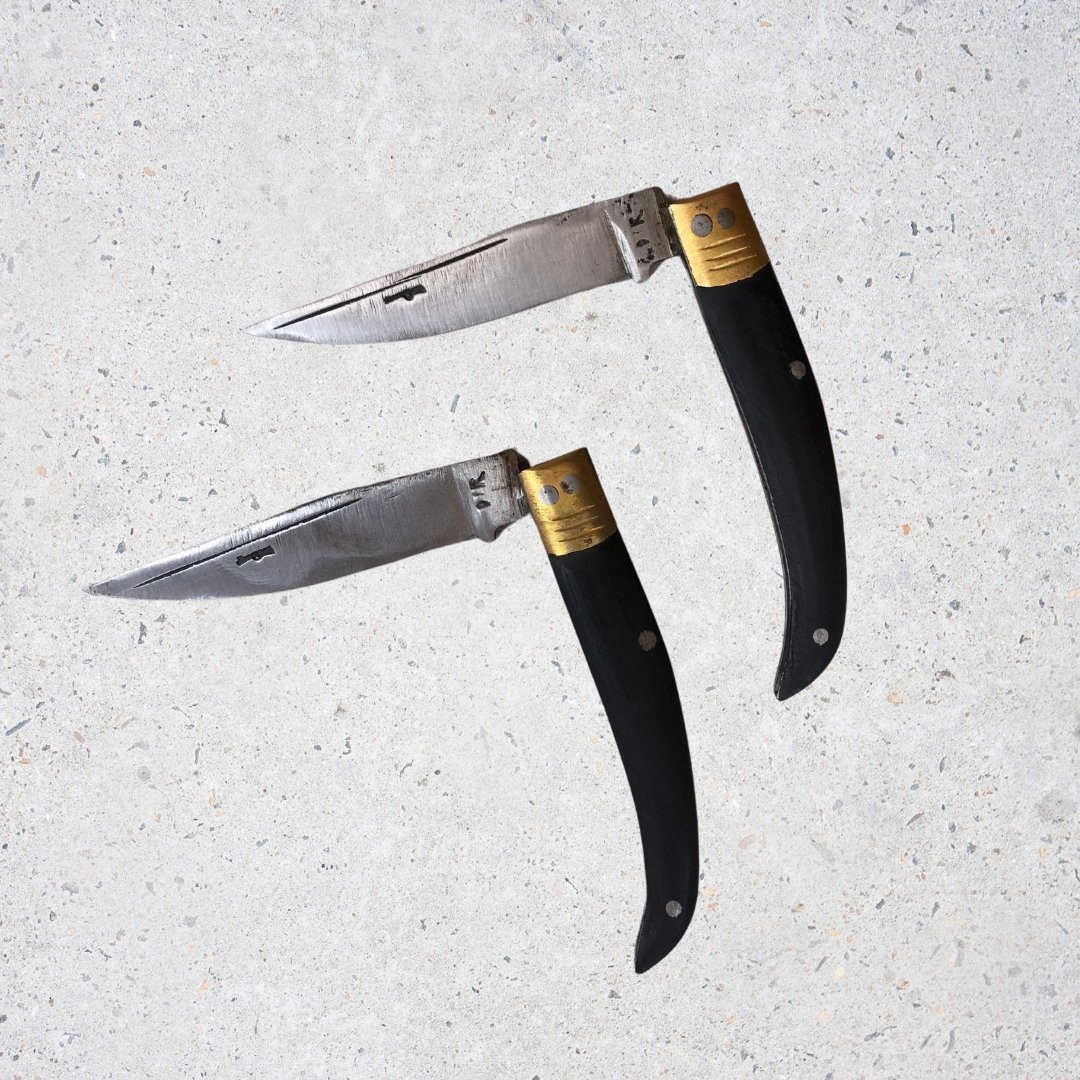
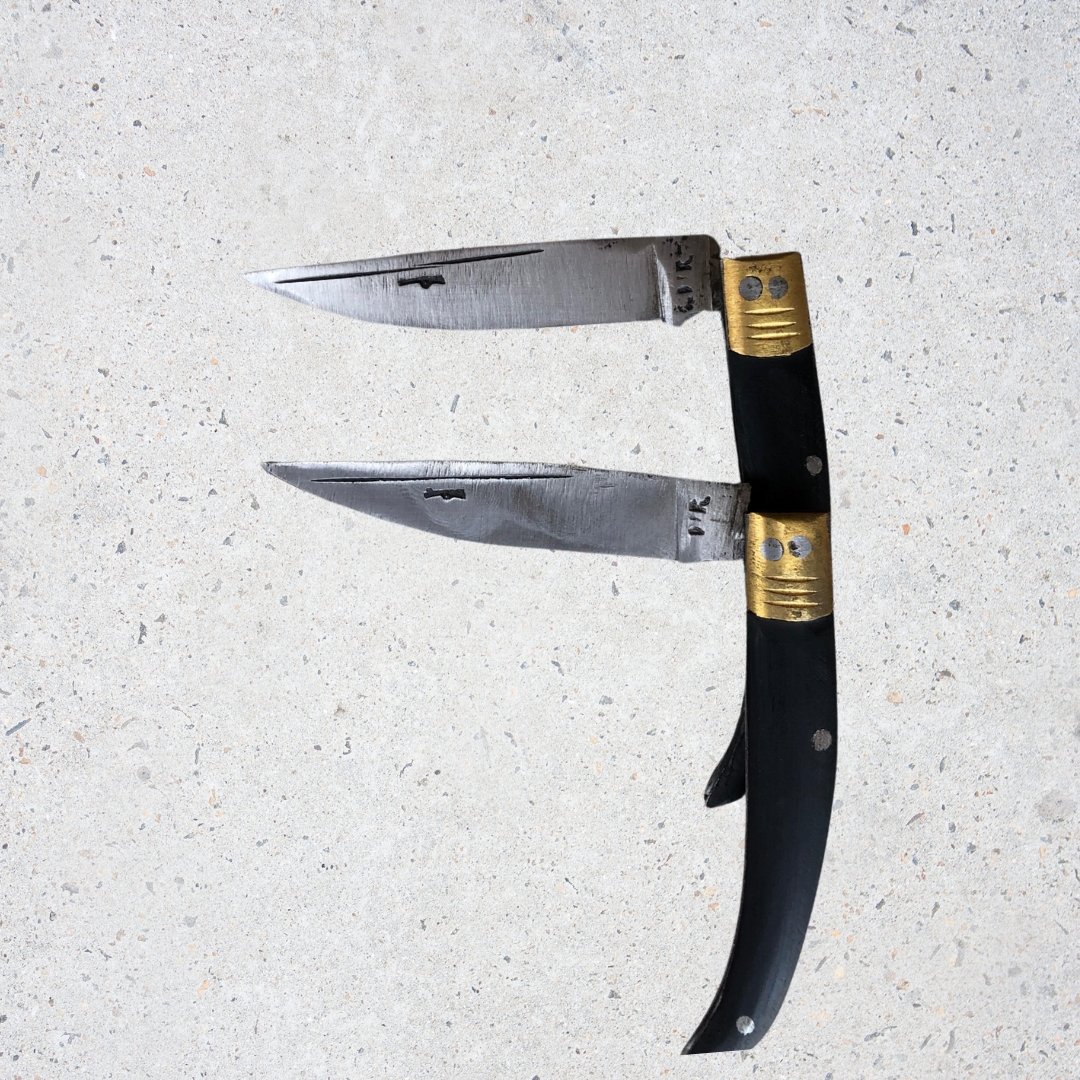
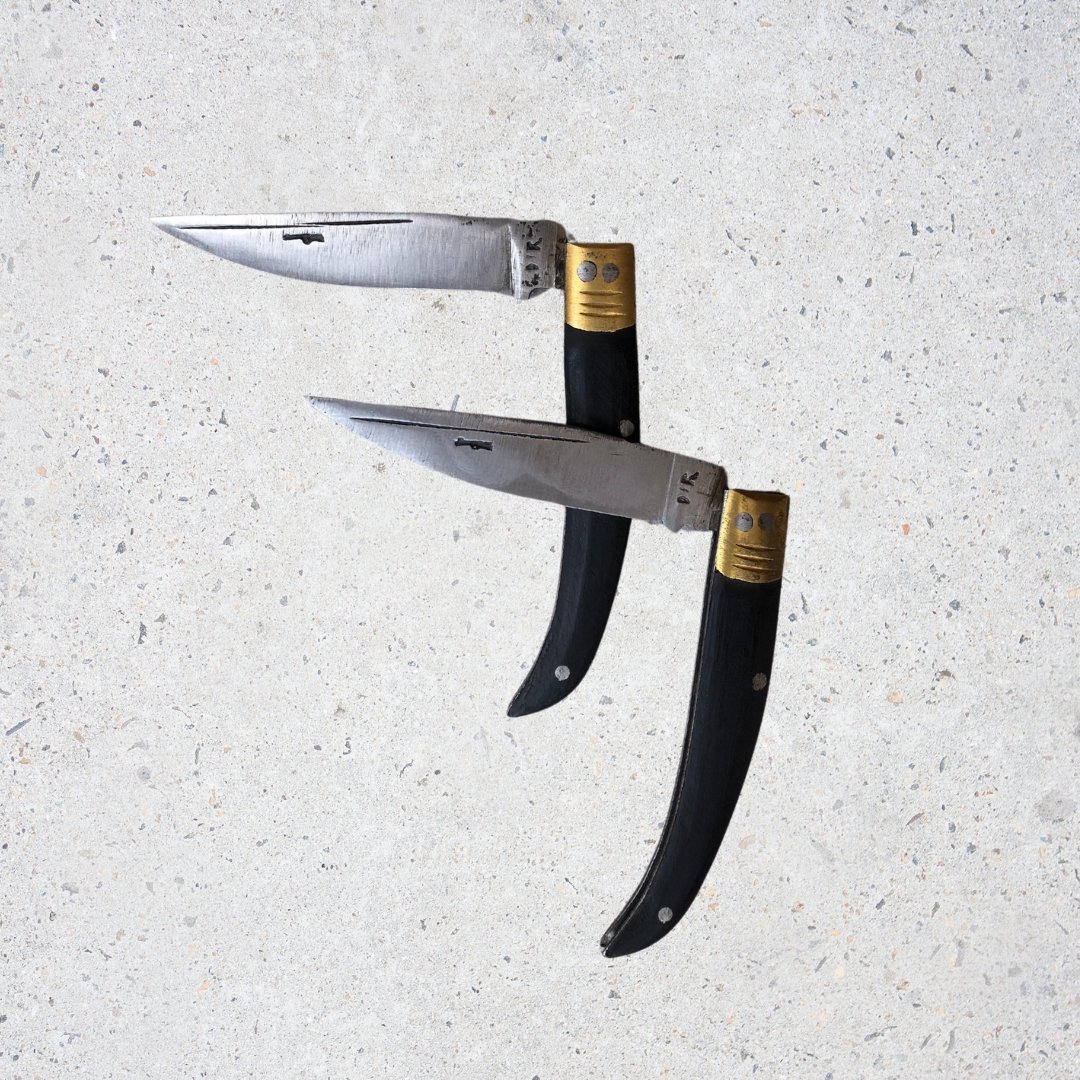
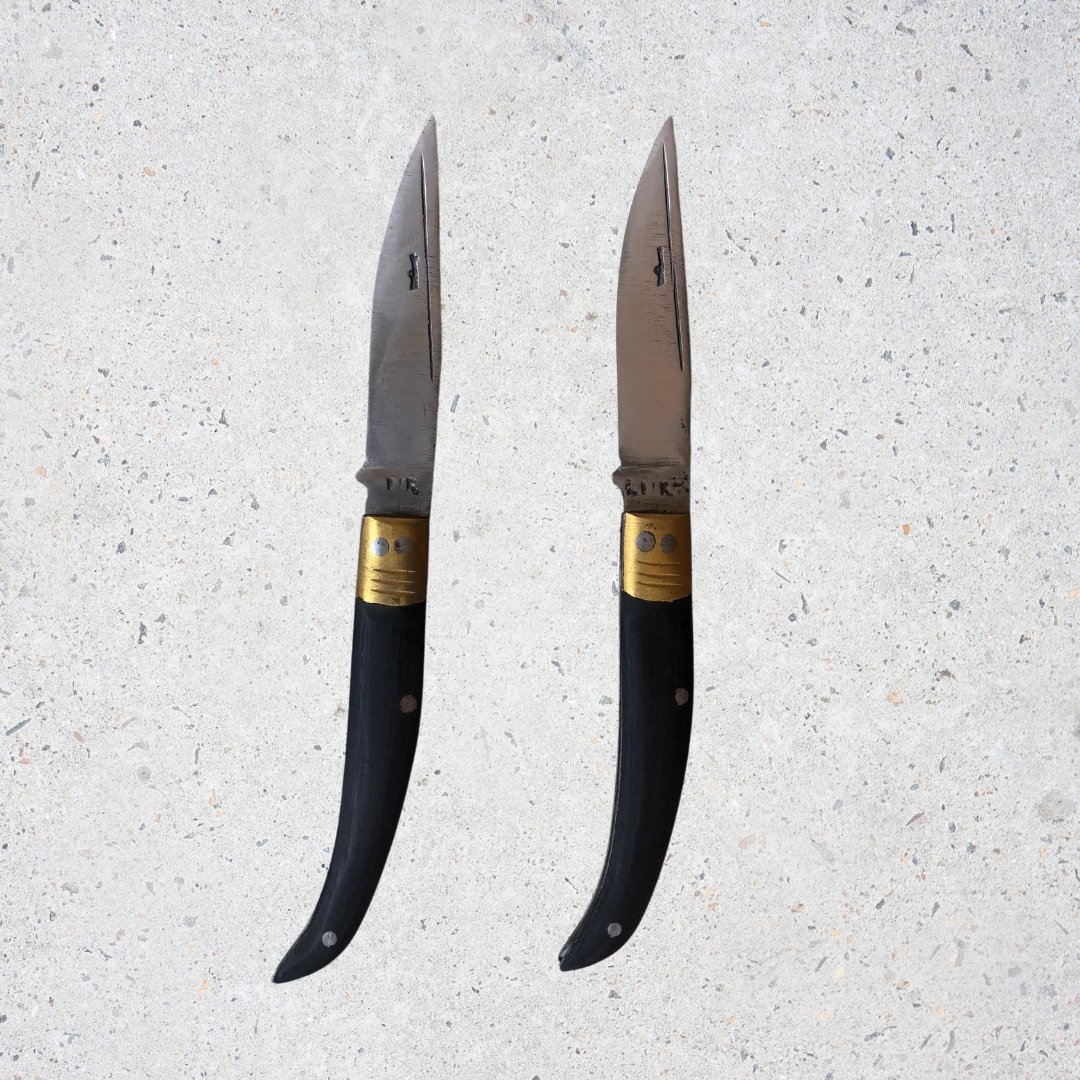
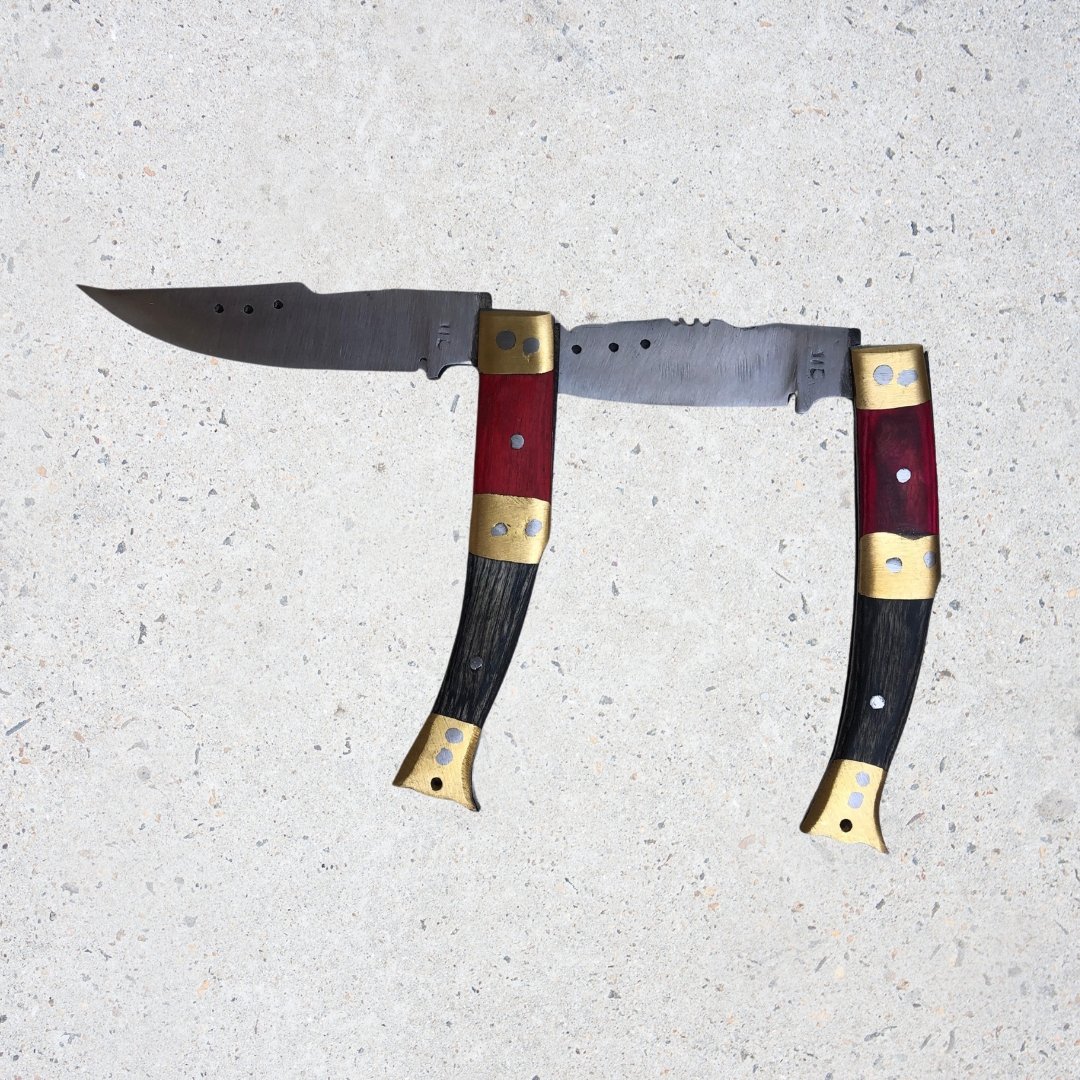
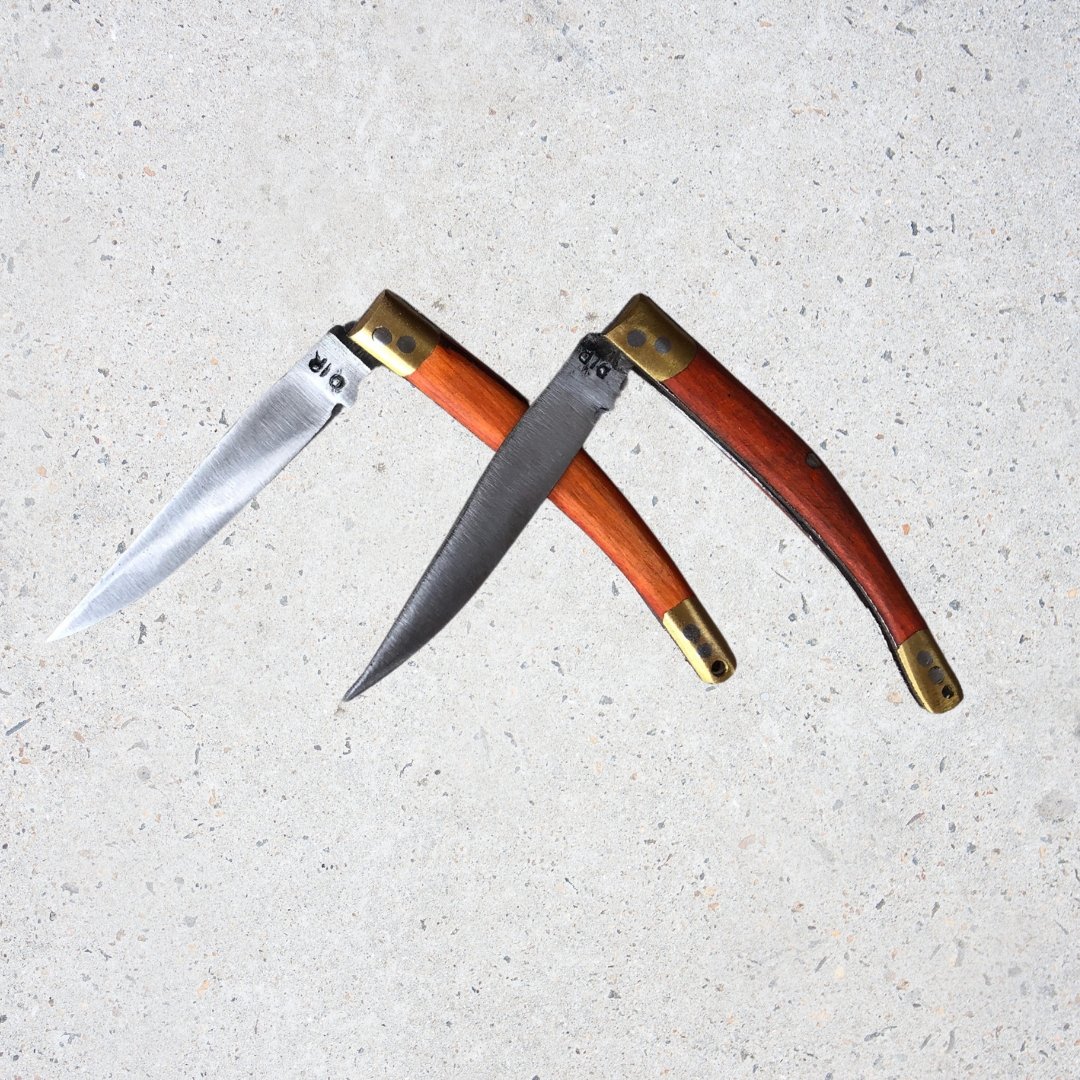
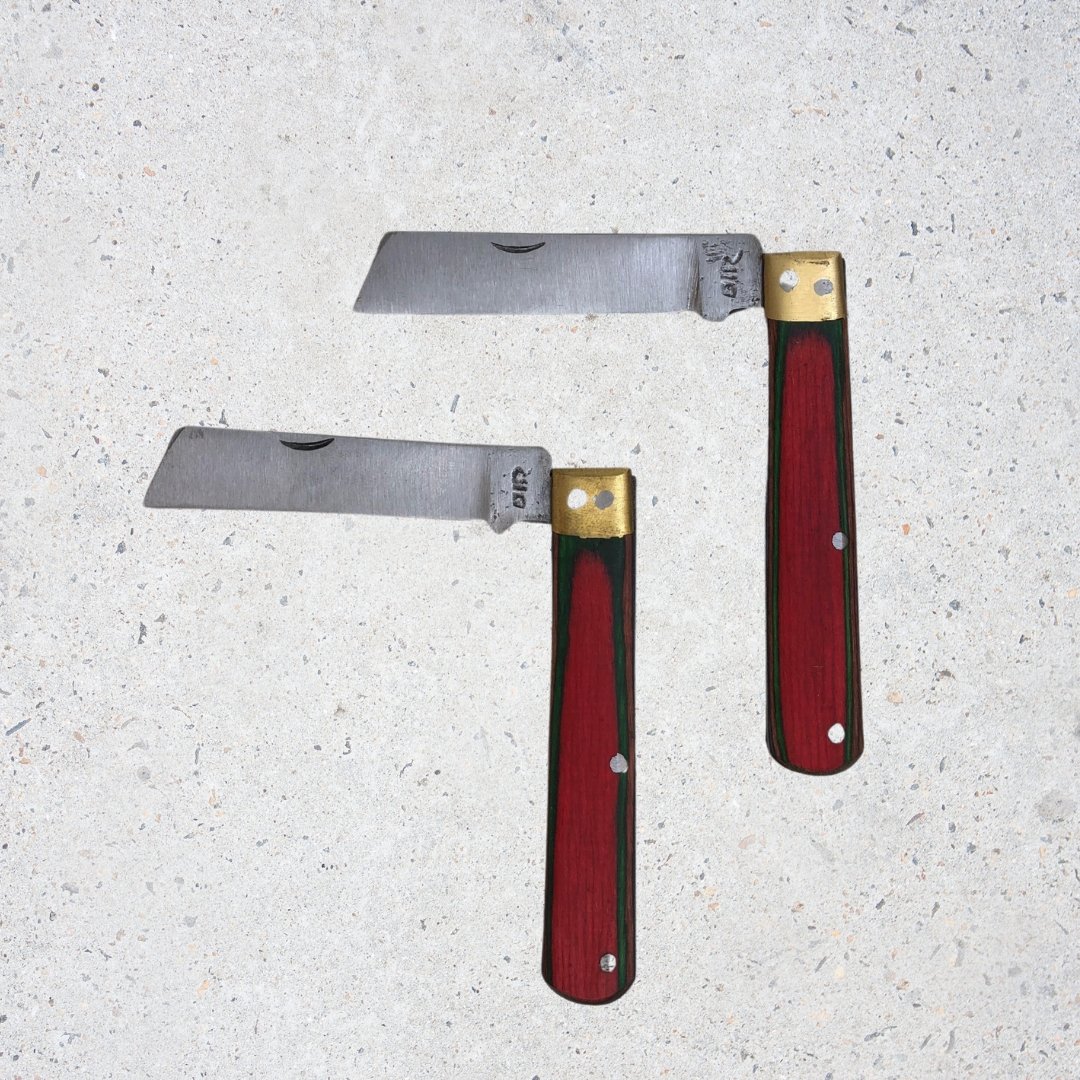
Traditionally, every young man in Dir was expected to own a Dir Knives by the time he reached adulthood. It was often gifted during ceremonies or passed down through generations, making it a family heirloom. Its history is deeply tied to the region’s tribal customs, warfare strategies, and hunting traditions.
Craftsmanship and Materials Used
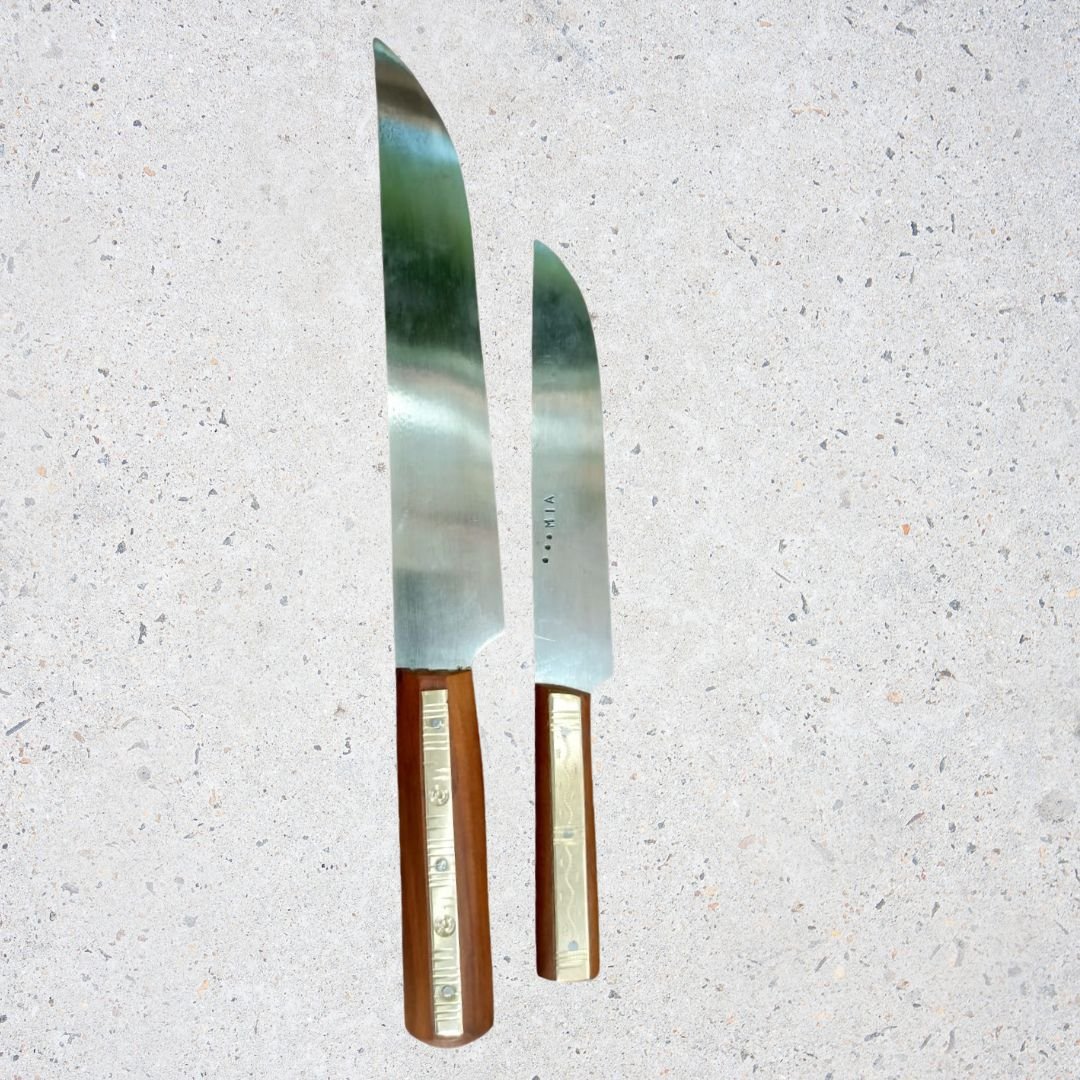
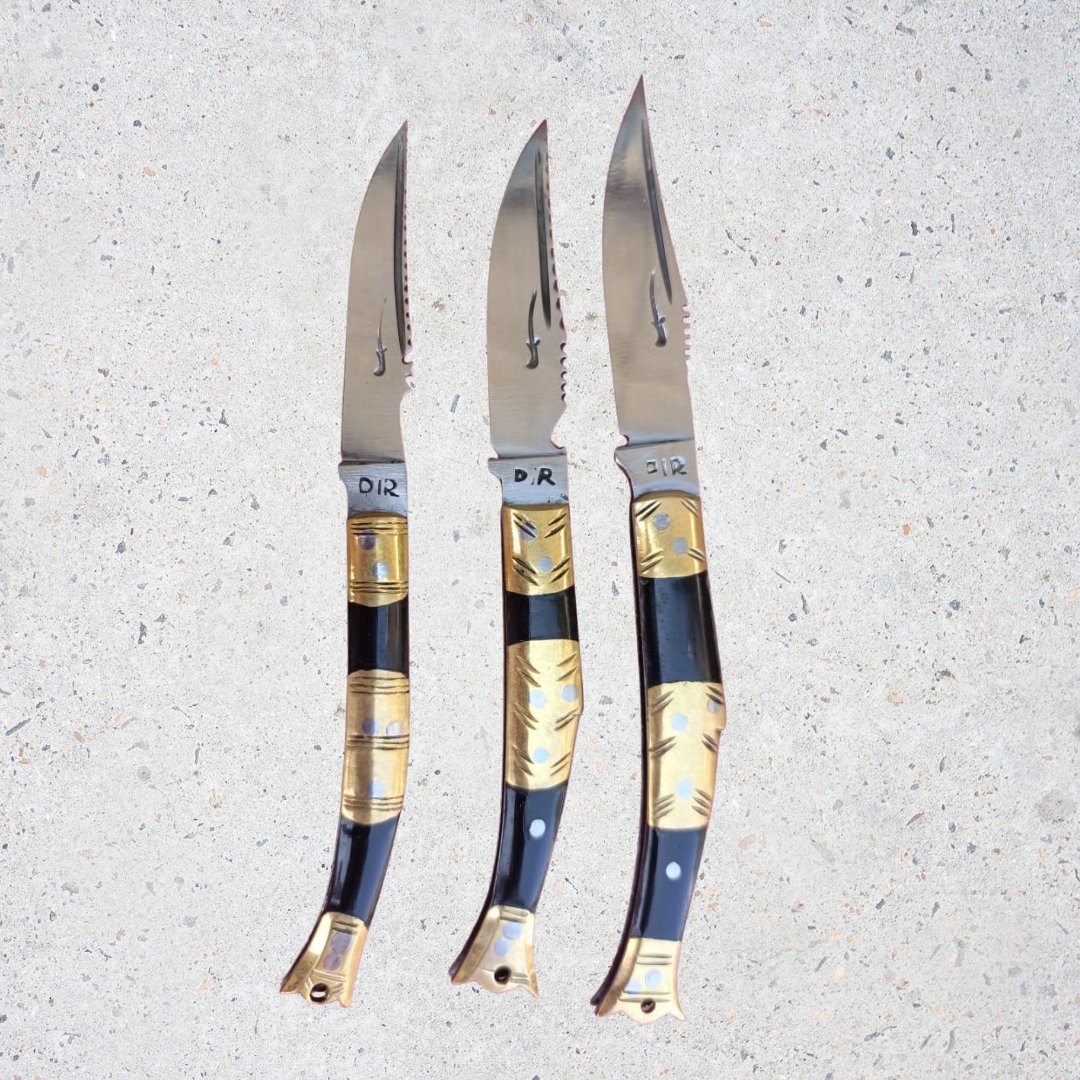
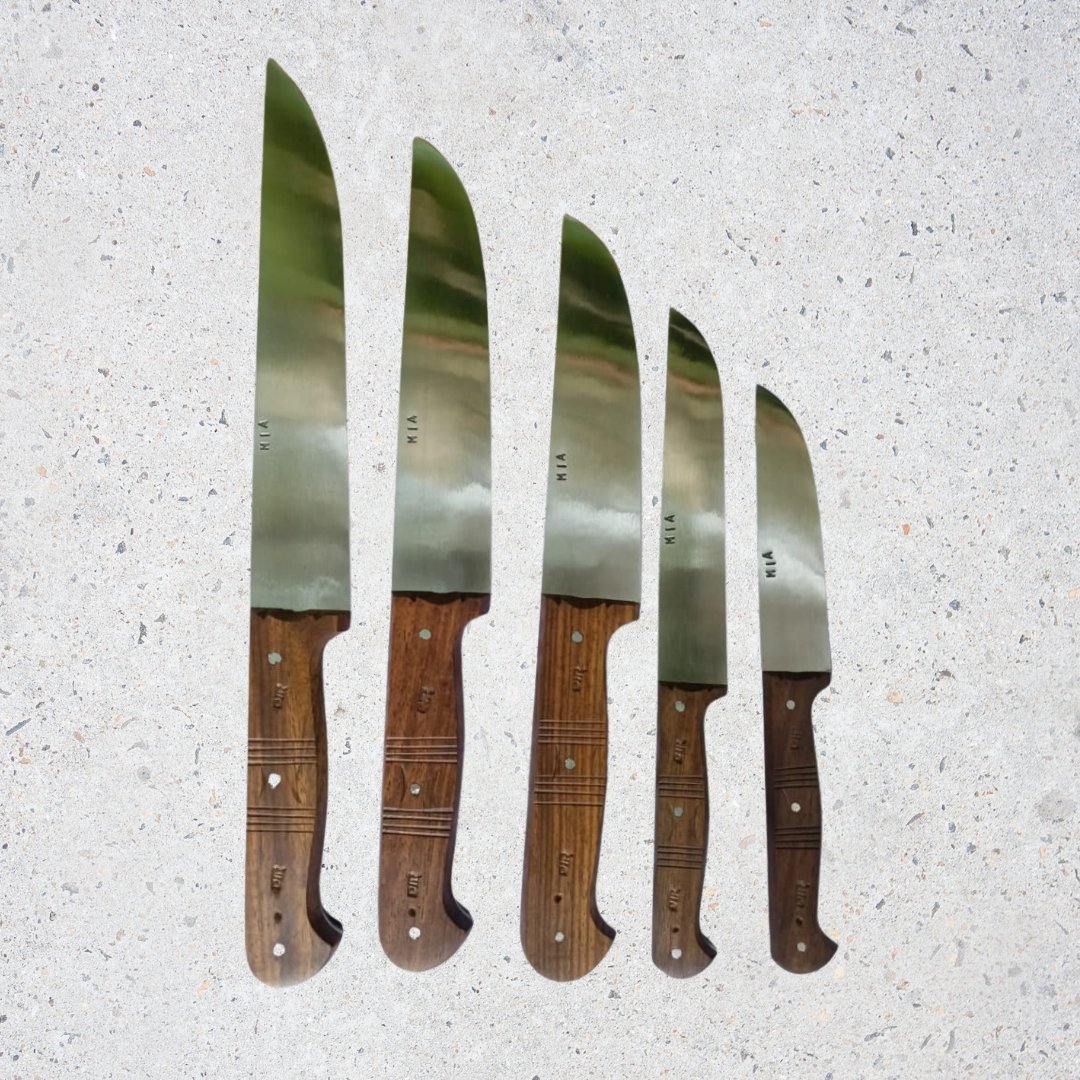
Creating a Dir Knives is not a mere act of metalworking—it is a form of art. Skilled blacksmiths in Dir villages forge these blades by hand, often using traditional tools and techniques passed down from their ancestors. Here’s a detailed look at the components:
Blade:
Made from high-carbon steel or recycled automobile parts, the blade of a Dir Knives is known for its durability and sharp edge. Some smiths use spring steel from old vehicles to create a strong and flexible blade.
Handle:
The handle is often made from horn, wood, or bone, depending on the buyer’s preference. It is carved meticulously to fit comfortably in the hand while adding aesthetic value.
Sheath:
The leather sheath, called miyan, is usually handmade with decorative patterns. Some are simple, while others are dyed and stitched with ornate embroidery, symbolising tribal identity.
Types of Dir Knives
There is no one-size-fits-all when it comes to a Dir Knives. Different types are available based on use, size, and craftsmanship. Here’s a breakdown:
Cultural Importance in Dir Society
In Dir, a man’s knife is more than a tool—it’s a part of his identity. From tribal gatherings to weddings and festivals, men wear their Dir Knives proudly on their waist. It is also used in traditional dances, such as the Attan, where performers carry knives as a part of their attire.
The Dir Knives is also a symbol of hospitality and honor. Elders often keep engraved knives as a status symbol, and guests may be gifted a knife as a token of respect and friendship.
Modern Adaptations and Global Demand
Over the years, the demand for the Dir Knives has grown beyond local borders. Tourists visiting northern Pakistan are fascinated by the craftsmanship and cultural value of the knife. Many buy it as a souvenir or display piece.
In recent times, craftsmen have begun exporting these knives through e-commerce platforms and social media. Knife collectors and weapon enthusiasts worldwide appreciate the handmade quality and unique story behind each Dir Knifes. Some custom orders even include name engravings, special designs, or rare materials.
Challenges Faced by the Dir Knives Industry
Despite its historical and cultural value, the Dir Knifes industry faces several challenges:
Lack of Marketing:
Many skilled artisans lack access to platforms where they can market their products effectively.
Modernisation:
With the rise of factory-made tools, handmade knives face stiff competition.
Raw Material Costs:
Rising prices of quality steel and handle materials are making production expensive.
Limited Government Support:
Very few initiatives exist to promote or preserve this traditional craft.
Suggestions to Preserve and Promote the Dir Knife
To ensure the legacy of the Dir Knife continues, the following steps should be taken:
Government Support Establish training centers and grants for local artisans.
Online Marketplaces Encourage craftsmen to use platforms like Etsy, Daraz, and Amazon.
Cultural Festivals Promote the Dir Knifes in tourism expos and cultural events.
Documentaries & Media Use YouTube and other media to tell the story of the Dir Knifes and its makers.
Educational Programs Introduce vocational training in local schools focusing on knife making.
Caring for Your Dir Knifes
Maintaining a Dir Knife ensures its longevity and performance. Here are a few tips:
Cleaning Wipe the blade clean after use, especially if it comes in contact with water or food.
Sharpening Use a whetstone regularly to maintain the edge.
Storage Store in a dry place with its sheath to prevent rust.
Oil the Blade Occasionally oil the blade to keep it rust-free.