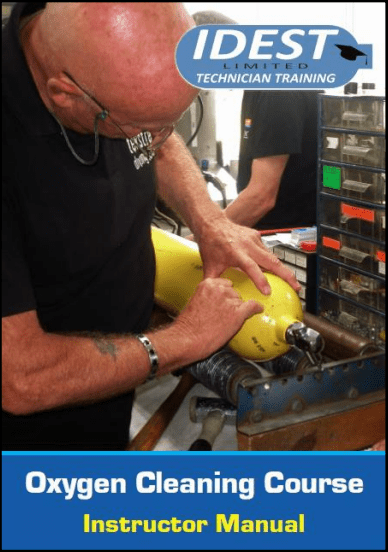
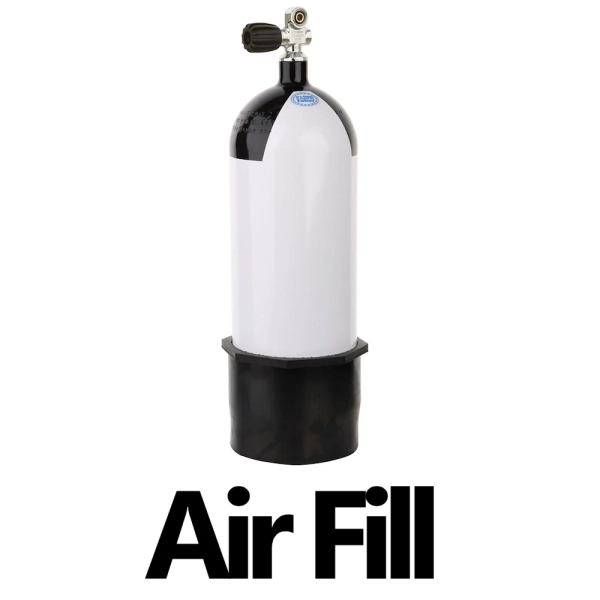
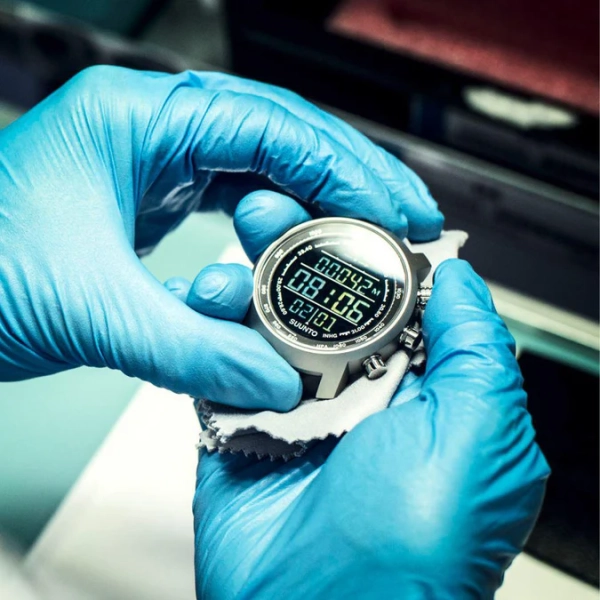
Process steps (end-to-end): disassembly, gross clean, precision clean, rinsing quality, controlled drying, particulate management, inspection and reassembly
Verification: visual checks, white-wipe tests, optional UV inspection for residues, acceptance criteria
Labelling & records: oxygen-clean tags, stickers, certificates, batch control and audit readiness
Workshop safety: antistatic practices, chemical handling, storage, waste & environmental considerations
(Focus is on diving cylinders and valves. Regulator oxygen servicing is outside scope but discussed at a high level.)
Format, duration & locations
Format: Instructor-led workshop with demonstrations and supervised practice
Duration: One day (approx. 8 hours)
Locations: Swindon (serving Berkshire, Wiltshire, Oxfordshire & Hampshire)
Group size: Small cohorts to maximise hands-on time
Assessment & certification
Ongoing knowledge checks plus a practical competency assessment of the full cleaning workflow.
For formal IDEST accreditation or test-station approvals, candidates must meet current IDEST criteria at an IDEST-recognised facility.
What’s included
Expert instruction & workshop access
Cleaning agents (training-grade), ultrasonic cleaner, tools and consumables for practice
Course handbook, checklists and documentation templates
Tea/coffee/water
What to bring
Photo ID for certification
PPE: safety footwear and eye protection (spares available)
Optional: your centre’s labels or forms for alignment
Entry requirements
Minimum age 18
Comfortable following technical processes; prior servicing experience helpful but not essential
Next steps
Build a complete servicing pathway with: Visual Cylinder Inspection, Hydrostatic Cylinder Inspection, Valve Servicing, and Composite Cylinder Inspection.