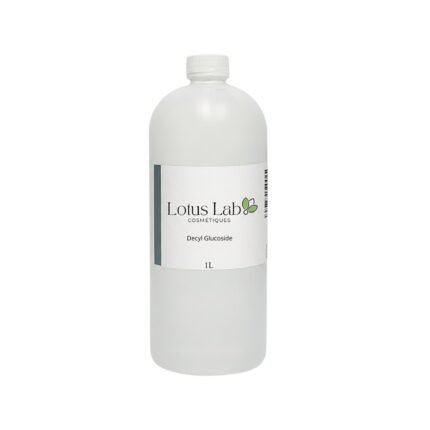
From a formulation standpoint, Decyl Glucoside 30% functions as a primary or secondary surfactant in cleansing systems. It provides effective soil removal while maintaining a mild profile suitable for sensitive skin. As a nonionic surfactant, it demonstrates good compatibility with anionic, amphoteric, and other nonionic surfactants, making it highly versatile in blended surfactant systems. Its performance is influenced by total active surfactant concentration, pH, and electrolyte content, and it contributes to stable foam and improved mildness in finished products.
In finished products, Decyl Glucoside 30% delivers gentle cleansing with a soft, low-irritation skin feel. It produces moderate, creamy foam rather than dense or stripping lather, making it well suited for facial cleansers, body washes, baby products, intimate care, and sulfate-free haircare. At higher inclusion levels, it can contribute to increased viscosity and clarity challenges, which are typically addressed through formulation balance and thickening strategies.
From a clean standards and safety perspective, Decyl Glucoside has a long history of safe cosmetic use and broad global regulatory acceptance. It is biodegradable, non-ethoxylated, and generally well tolerated in both rinse-off and leave-on cleansing-adjacent applications. Its plant-derived origin and transparent manufacturing pathway make it a cornerstone ingredient in clean beauty, minimalist, and eco-conscious formulation strategies.
Ingredient Identification
INCI Name Decyl Glucoside
CAS Number 68515-73-1
Physical & Technical Properties
Appearance Clear to slightly hazy liquid
Odor Mild, characteristic
Active Matter Approximately 30%
Solubility Freely soluble in water
pH (as supplied) Approximately 11–12
Functional Role Nonionic surfactant, cleanser, foam booster
Typical Usage Levels (Cleansing & Personal Care Applications)
Facial Cleansers 3–10% (as supplied)
Body Washes and Hand Soaps 5–15% (as supplied)
Baby and Sensitive Skin Products 2–8% (as supplied)
Shampoos and Hair Cleansers 4–12% (as supplied)
Actual usage levels depend on total surfactant system design, desired mildness, and target foam profile.
DIY Education and Formulation Guidance
For DIY formulators, Decyl Glucoside 30% is appreciated for its ease of use and forgiving nature. It is added directly to the water phase or surfactant blend with gentle mixing to avoid excessive aeration. Because it is supplied at an alkaline pH, final formulations should always be adjusted to skin-appropriate pH ranges after all ingredients are combined.
Decyl Glucoside may thin formulations when used alone and is often combined with amphoteric surfactants such as cocamidopropyl betaine or with polymeric thickeners to achieve desired viscosity. Excessive salt addition is not recommended, as alkyl polyglucosides are not salt-thickening surfactants.
Formulation Compatibility & Common Combinations
Decyl Glucoside 30% is compatible with anionic surfactants, amphoteric surfactants, nonionic surfactants, humectants, botanical extracts, and mild preservation systems. It is frequently paired with amphoteric surfactants to improve foam quality and viscosity while maintaining mildness. Compatibility testing is recommended when formulating with high electrolyte loads or complex active systems.
Shelf Life, Storage, and Packaging
Shelf Life Typically 24 months when stored under recommended conditions
Storage Conditions Store in a cool, dry environment away from direct heat
Packaging Recommendations HDPE or PET containers with tight closures
Handling Notes Avoid excessive agitation to reduce foaming during handling
Regulatory & Safety Notes
Regulatory Status Approved for cosmetic use globally, including the United States and European Union
California Proposition 65 Not listed
EWG Context Generally categorized as low hazard based on available data
Irritation and Sensitization Considered mild and well tolerated when properly formulated
Clean Beauty Compatibility Plant-derived, biodegradable, non-ethoxylated, and compatible with clean, sulfate-free, and natural-leaning formulation standards