About this product
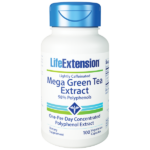
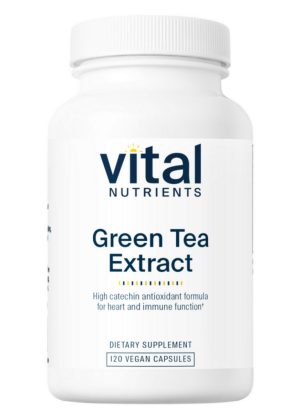
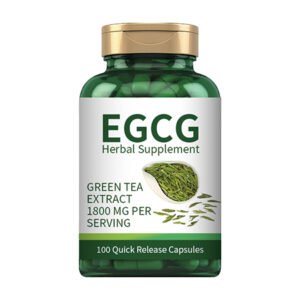
a green tea concentrate providing an optimal 45% of EGCG and polyphenols, together with whole green tea leaf for theanine, lignans, and chlorophyll.
Green tea is produced from the lightly steamed and dried leaves of the Camellia Sinensis plant. Green tea is extremely high in polyphenols which have impressive medicinal actions. By contrast, allowing tea leaves to oxidize results in oolong or black tea, but these have far less benefit. During oxidation, enzymes in tea leaves degrade the therapeutic polyphenols. With green tea, the steaming process inactivates these enzymes so oxidation cannot occur.
The green tea polyphenols, including catechin, epicatechin, epigallocatechin gallate (EGCG), epicatechin gallate, and proanthocyanidins, show antioxidant action as good or better than vitamins C or E in most studies. Even better, in addition to its own antioxidant effects, green tea appears to stimulate the body’s own antioxidant enzymes in the liver, small intestine, and lungs.
Cutting edge research on green tea reveals that it is a potent antioxidant, supportive of healthy breast tissue and immune functions. It appears to scavenge reactive oxygen species, inhibit abnormal cell division, protect against gene mutations caused by environmental toxins, encourage abnormal cells to self-destruct (apoptosis), and maybe support DNA repair.
Show allShow less
Green tea shows antiviral activity against influenza A and B viruses, rotaviruses and enteroviruses as tea polyphenols bind to the virus, inhibiting its entry into cells. Green tea EGCG has been found to have antibacterial action against antibiotic-resistant Acinetobacter baumannii, which was killed by EGCG, and against Propionibacterium acnes and some Staphylococcus aureus.
For Polycystic Ovarian Syndrome (PCOS), green tea seems to boost a protein in the blood called sex-hormone binding globulin which can take up excess testosterone; this can contribute to helping with facial hair, acne and other PCOS symptoms. Green tea may also help to normalize abnormal cervical cells and to inhibit HPV.
For weight balance, green tea encourages thermogenesis with increased fat burning and less fat being absorbed by the body. Green tea has been noted to lead to the burning of more calories and more energy expenditure, possibly by stimulating metabolism. It may also improve insulin sensitivity and stabilize blood glucose levels. Green tea can also support better and more consistent athletic performance.
Additionally, green tea has nervous system benefits: it has a gentle mood-elevating effect that appears to sustain throughout the day. Green tea may also improve cognition, increase alertness, and relieve mental fatigue. EGCG has been shown to exert neuroprotective activities in studies with Alzheimer’s and Parkinson’s diseases.
For benign prostate enlargement (BPH), green tea can be helpful both because of its potential hormonal balancing effects and its anti-inflammatory actions. It can reduce inflammation mediators in several tissues including adipose and liver.
Catechins in green tea may protect against heart disease and atherosclerosis by protecting LDL “bad” cholesterol from becoming oxidized and sticky by quenching free radical and chelating harmful metal oxidant. Green tea has also been reported to reduce blood clots and to prevent platelets aggregation and clumping. Green tea catechins may also contribute to decreases in total cholesterol, LDL “bad” cholesterol and triglyceride levels. In addition, green polyphenols may relax and open blood vessels, improve health and elasticity of the blood vessel lining or endothelium, and thus reduce blood pressure.
In Doctorherdmanclinic's own words. See it at Doctorherdmanclinic