- Swelling around the joint
- Bruising or skin discoloration
- Difficulty walking normally
- Limited ankle movement
- Tenderness when touching the injured area
- Feeling that the ankle is unstable
When Should You See a Doctor?
Although mild ankle sprains often improve with home care, medical evaluation is recommended if symptoms are severe or do not improve.
You should see a doctor if you have:
- Severe or worsening pain
- Difficulty or inability to walk
- Significant swelling or bruising
- A popping sound at the time of injury
- Suspected broken bone
- Symptoms that continue for several days without improvement
- Numbness or changes in skin color
How Is a Sprained Ankle Diagnosed?
A healthcare provider will examine your ankle to determine the severity of the injury. The diagnosis usually includes:
- A physical examination to check swelling, tenderness, and movement
- Questions about how the injury happened
- Evaluation of your ability to bear weight
- X-rays if a fracture is suspected
- An MRI in severe cases to assess ligament damage
These tests help create an appropriate treatment and recovery plan.
Can Telehealth Diagnose a Sprained Ankle?
Yes, telehealth can be a convenient way to receive an initial evaluation for a sprained ankle, especially when symptoms are mild to moderate. During a virtual consultation, a licensed healthcare provider will ask about how the injury occurred, your pain level, swelling, ability to bear weight, and range of motion. They may also ask you to move your ankle on camera to assess your condition.
However, telehealth has limitations. If your provider suspects a fracture, severe ligament tear, dislocation, or circulation problem, they will recommend an in-person examination and imaging tests such as an X-ray or MRI.
If medically appropriate, the provider may issue a doctor’s note for a sprained ankle, recommend home treatment, prescribe medications when appropriate, or advise temporary work or school restrictions.
How to Book an Online Appointment for a Sprained Ankle
If you’ve injured your ankle and need a doctor’s note, you can book an online appointment with a licensed healthcare provider in just a few minutes.
Step 1: Choose a Trusted Telehealth Provider
- Visit a reputable telemedicine platform or your healthcare provider’s website.
- Sign in or create a new account.
Step 2: Select the Right Appointment Type
- Choose General Physician, Primary Care, Urgent Care, or Orthopedic Consultation based on your symptoms.
- Pick a suitable date and time.
Step 3: Enter Your Personal Information
Provide basic details such as:
- Full name
- Date of birth
- Contact information
- Medical history (if requested)
Step 4: Describe Your Ankle Injury
Share details about:
- How the injury happened
- Pain level
- Swelling or bruising
- Difficulty walking or bearing weight
- Any previous ankle injuries
Step 5: Attend the Virtual Consultation
- Join the video or phone appointment at the scheduled time.
- Answer the doctor’s questions and, if possible, show the injured ankle on camera.
Step 6: Follow the Doctor’s Advice
The doctor may recommend:
- Rest, Ice, Compression, and Elevation (RICE)
- Pain relief medication
- An ankle brace or crutches
- An in-person examination or X-ray if a fracture is suspected
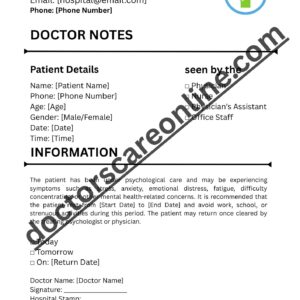
Step 7: Receive Your Doctor’s Note
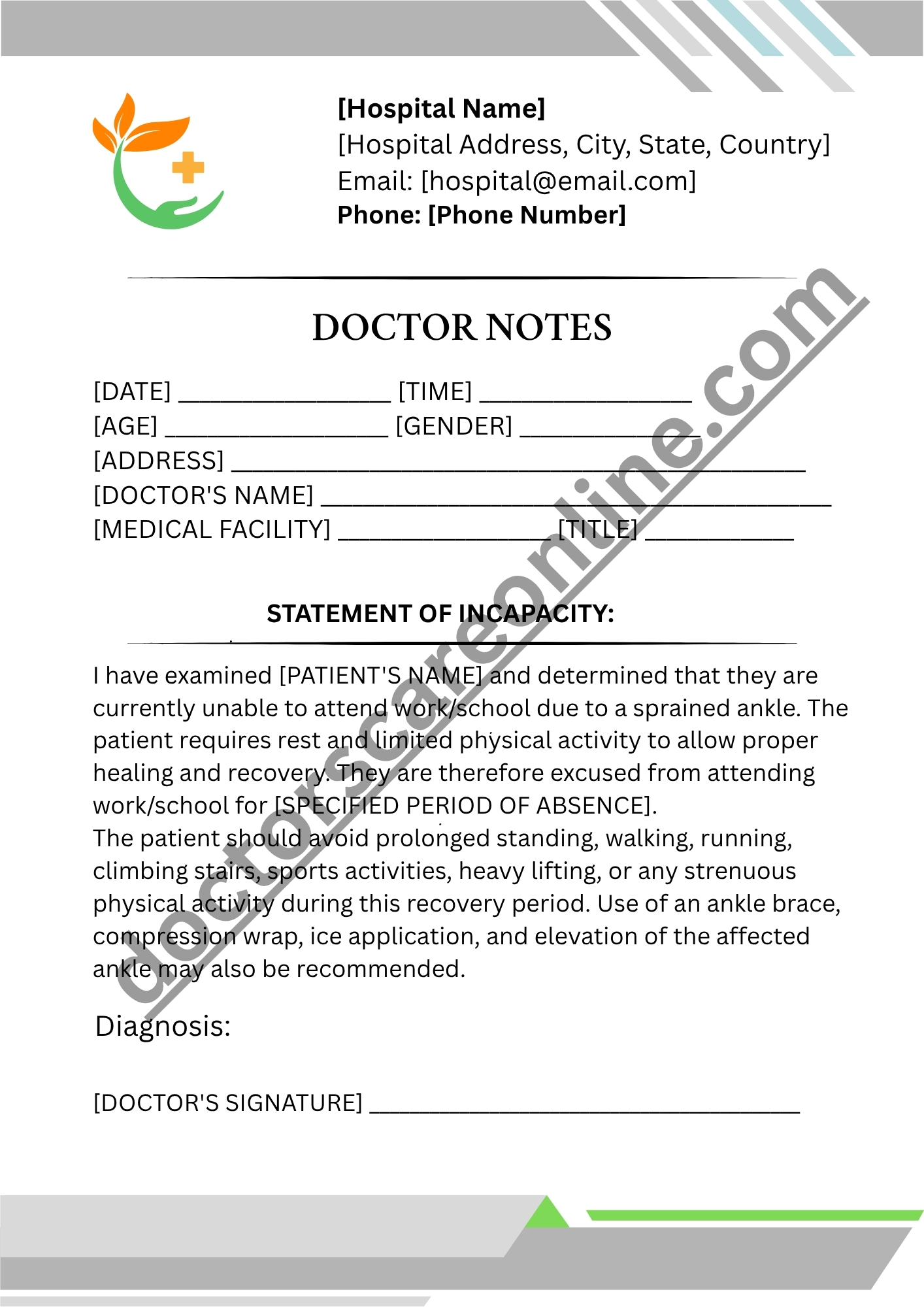
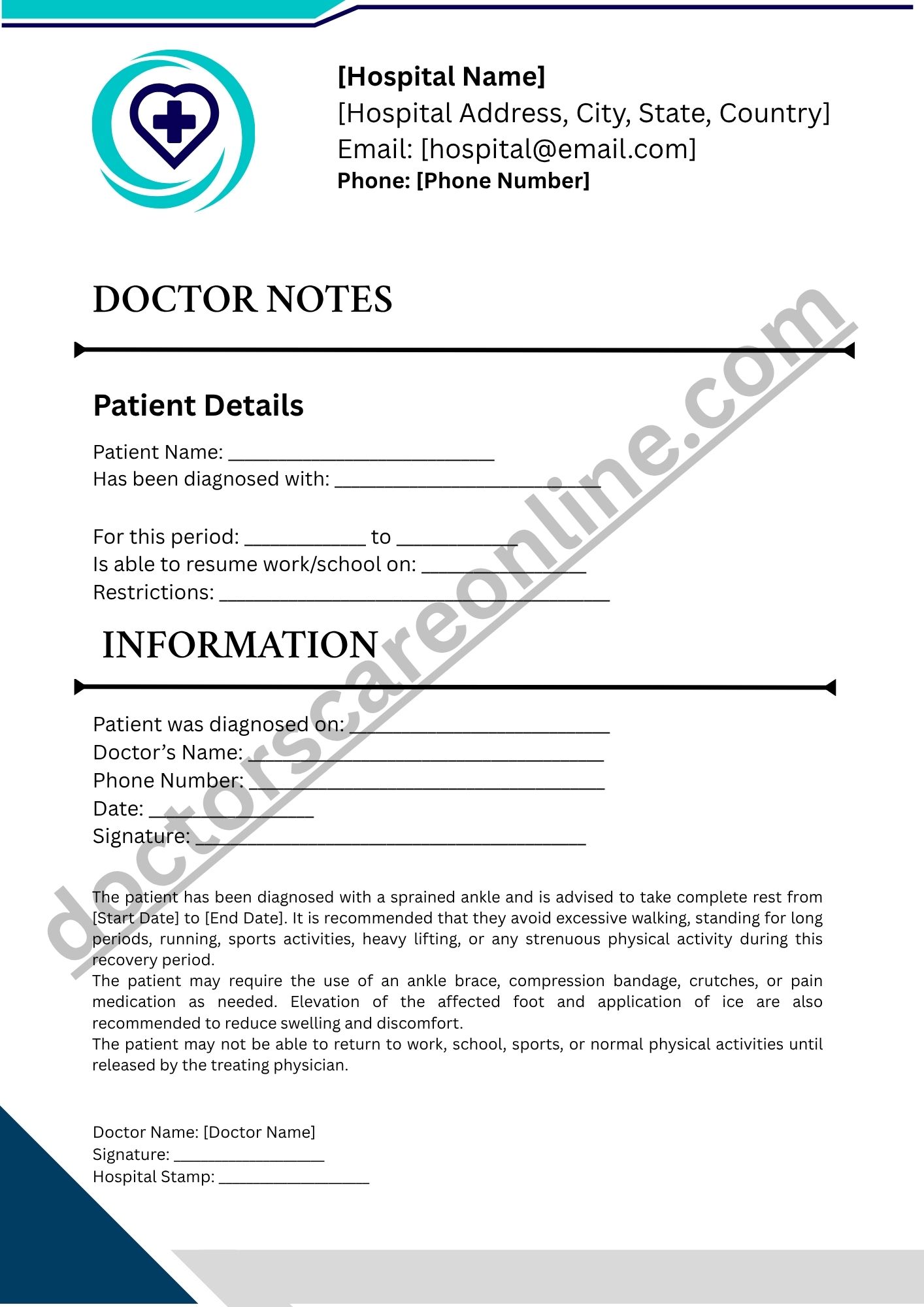
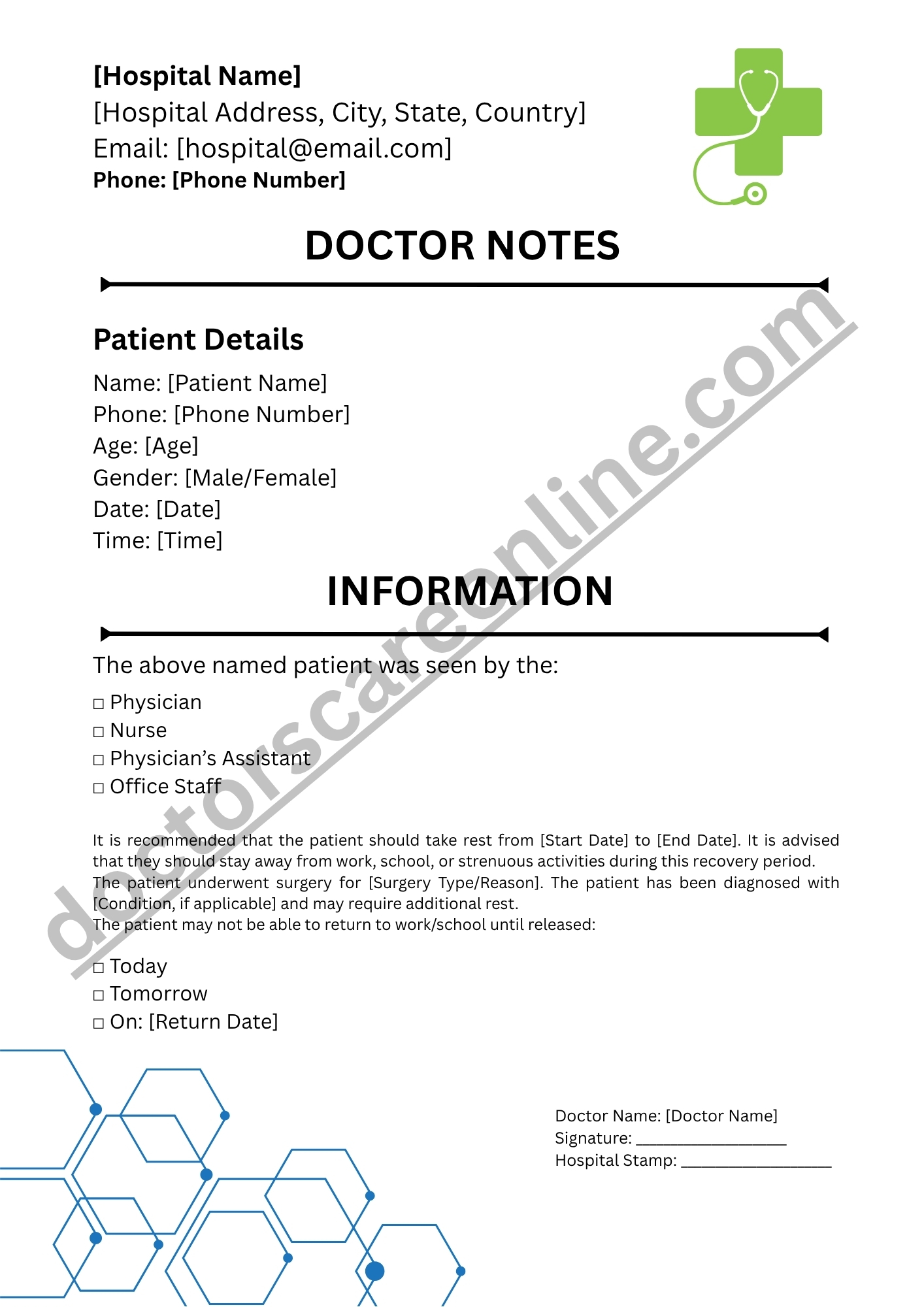
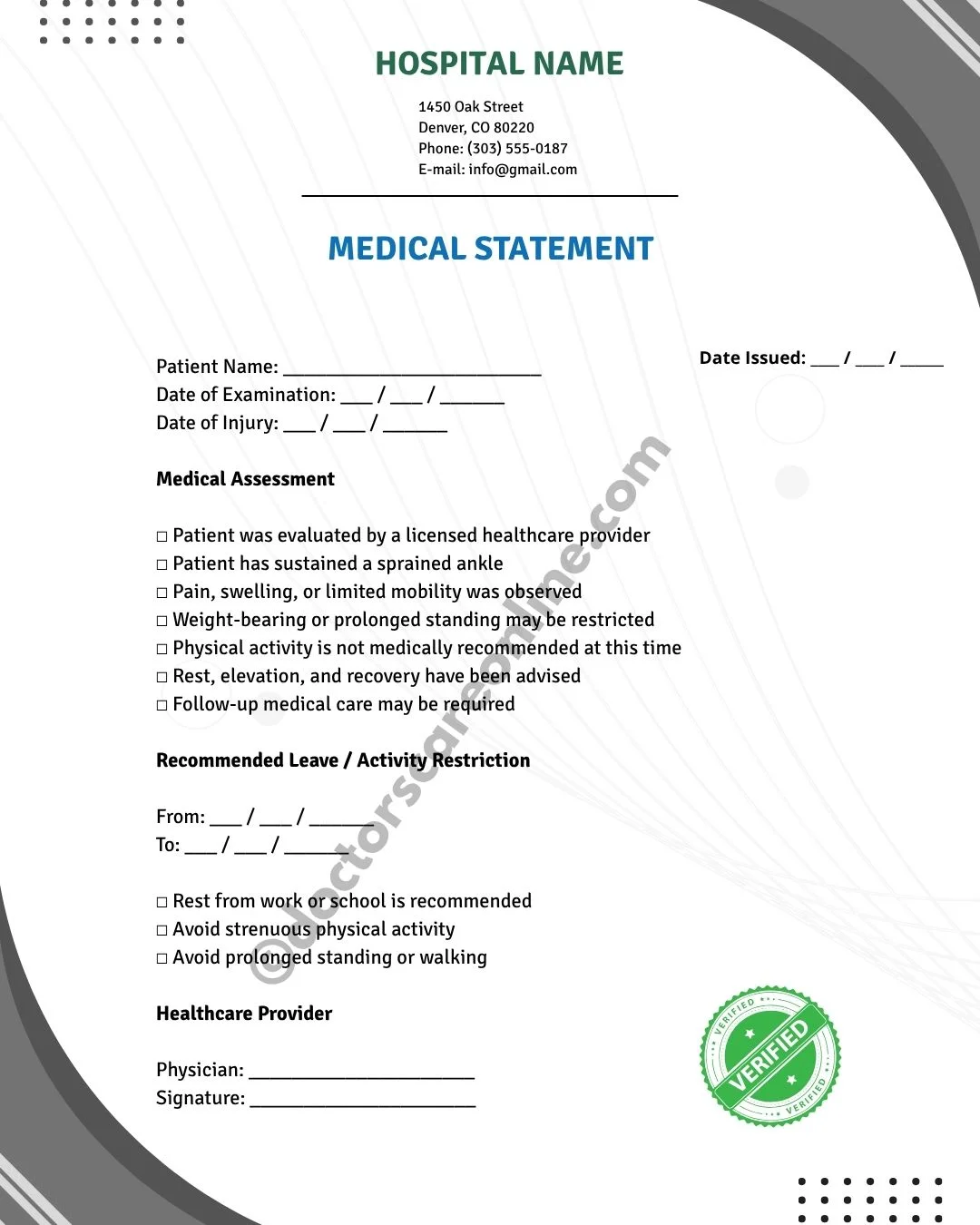
If medically appropriate, the healthcare provider may issue a doctor’s note that includes:
- Diagnosis
- Recommended rest period
- Work or school restrictions
- Return-to-work or return-to-school date
Tip If you have severe swelling, intense pain, a visible deformity, or cannot put any weight on your ankle, seek immediate in-person medical care instead of relying only on an online consultation.
How Long Is a Sprained Ankle Doctor’s Note Valid for Work, School, or College?
The validity of a doctor’s note for a sprained ankle depends on the severity of the injury, recovery progress, and the policies of the workplace, school, or college. A doctor usually mentions the recommended rest period, activity restrictions, and expected return date on the note.
What Does a Doctor’s Note for a Sprained Ankle Include?
A doctor’s note generally contains important medical information needed for work or school documentation.
It may include:
- Patient’s name
- Date of medical evaluation
- Confirmation of the ankle injury
- Recommended recovery period
- Temporary work or school restrictions
- Suggested return date
- Healthcare provider’s signature or authorization
The exact details may vary depending on the medical evaluation and individual circumstances.
Work Restrictions for a Sprained Ankle
A doctor’s note for a sprained ankle may include temporary work restrictions to protect the injured ankle and support proper healing. The restrictions depend on the severity of the sprained ankle and the physical demands of your job.
Common work restrictions for a sprained ankle include:
- Avoid prolonged standing
- No heavy lifting or carrying
- Limit walking or climbing stairs
- No running or strenuous physical activities
- Desk or light-duty work, if available
- Remote work may be recommended when appropriate
- Use an ankle brace, walking boot, or crutches if advised by your healthcare provider
Following these restrictions can help prevent further injury and support a safe sprained ankle recovery before returning to normal work duties.
School Restrictions for Students
Students with a sprained ankle may receive temporary accommodations to support healing and reduce strain on the injured ankle.
Possible school restrictions include:
- Excuse from physical education classes
- No participation in sports
- Reduced walking between classrooms
- Elevator access where available
- Extra time to move between classes
- Permission to rest the injured ankle during the school day
How Long Can a Doctor Excuse You From Work for a Sprained Ankle?
The amount of time away from work depends on the severity of the ankle sprain and the physical demands of your job.
General recovery estimates include:
- Grade 1 (Mild) A few days to one week
- Grade 2 (Moderate) One to three weeks
- Grade 3 (Severe) Several weeks or longer
Recovery time may vary based on age, overall health, and how closely treatment recommendations are followed.
Sprained Ankle Recovery Timeline
Every ankle heals differently, but recovery generally follows these stages.
Following medical advice and rehabilitation exercises can support a smoother recovery.
Treatment for a Sprained Ankle
Treatment focuses on reducing pain, controlling swelling, and restoring ankle function.
Common treatment options include:
- Rest to avoid additional injury
- Ice packs to reduce swelling
- Compression with an elastic bandage
- Elevation above heart level
- Over-the-counter pain relief (when appropriate)
- Ankle brace or walking boot
- Physical therapy for strengthening and mobility
Treatment recommendations depend on the severity of the injury.
When Can You Return to Work or School After a Sprained Ankle?
Returning to work or school after a sprained ankle depends on your recovery, the severity of the injury, and your daily responsibilities. A healthcare provider may recommend returning once you can safely perform your normal activities without causing further injury. Your doctor’s note for a sprained ankle may also include a return date and any temporary work or school restrictions.
Signs You’re Ready to Return
You may be able to return to work or school when:
- You can walk with little or no pain.
- Swelling and bruising have significantly improved.
- Your ankle has regained good strength and flexibility.
- You can stand or move comfortably for daily activities.
- Your healthcare provider clears you to return, if needed.
Returning to Work
Your doctor’s note for a sprained ankle may recommend modified duties before you return to your regular job. Depending on your recovery, these accommodations may include:
- Desk work instead of physically demanding tasks
- Limited standing or walking
- No heavy lifting
- Remote work, if available
- Scheduled rest breaks to avoid overloading the injured ankle
People with jobs that involve prolonged standing, climbing, or lifting may need a longer sprained ankle recovery time before returning.
Returning to School
Students can usually return to school once they are able to move around safely. However, temporary restrictions may still be necessary, such as:
- Excuse from physical education (PE) classes
- No sports or extracurricular physical activities
- Elevator access, where available
- Permission to rest the ankle during the school day
Can You Walk on a Sprained Ankle?
Whether you can walk on a sprained ankle depends on the severity of the injury. A mild sprain may allow limited walking, while a moderate or severe sprain often requires rest and avoiding weight on the injured ankle. Walking too soon can delay sprained ankle recovery and increase the risk of further injury.
You may be able to walk if:
- Pain is mild and manageable
- Swelling has started to decrease
- You can bear weight without significant discomfort
- Your healthcare provider recommends gradual walking
Avoid walking if you have:
- Severe pain when standing