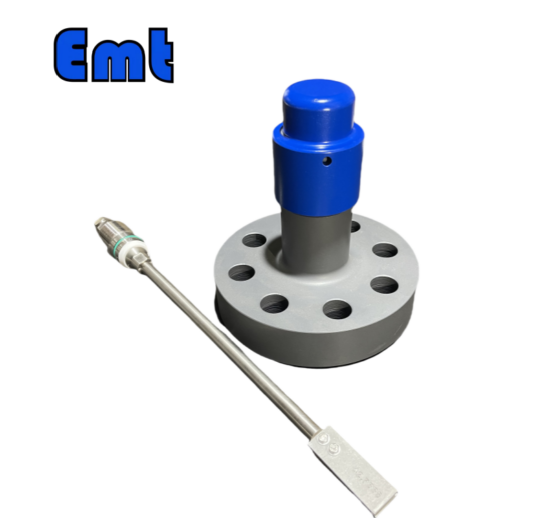
The Functionality of Bidi Pigs
How Bidi Pigs Navigate Pipeline Systems
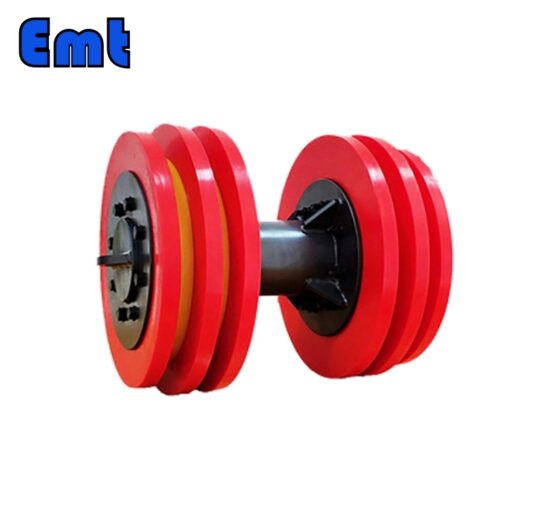
Bidi Pigs use pressure differentials to move. They travel through pipelines, overcoming obstacles with ease.
The Bidirectional Advantage: Cleaning in Both Directions
Their bidirectional design makes Bidi Pigs versatile. They clean effectively, moving forward and backward as needed.
Bidi Pigs and Their Multifunctional Capabilities
Bidi Pigs aren’t just cleaners; they inspect and report. They multitask, safeguarding pipelines with every pass.
Applications
Applications of Bidi Pigs are diverse and critical for pipeline longevity. They perform routine cleaning, a cornerstone of preventive maintenance, ensuring pipelines operate at peak efficiency. Regular sweeps by Bidi Pigs remove buildups, such as wax and debris, which can cause blockages and corrosion if left unchecked. Besides, they are invaluable for severe wax and deposit removal, tackling even the most stubborn pipeline obstructions with precision.
Moreover, Bidi Pigs excels in batching and product separation. They segregate different products within the pipeline, preventing cross-contamination and preserving product purity. This separation is crucial for maintaining quality standards in product delivery.
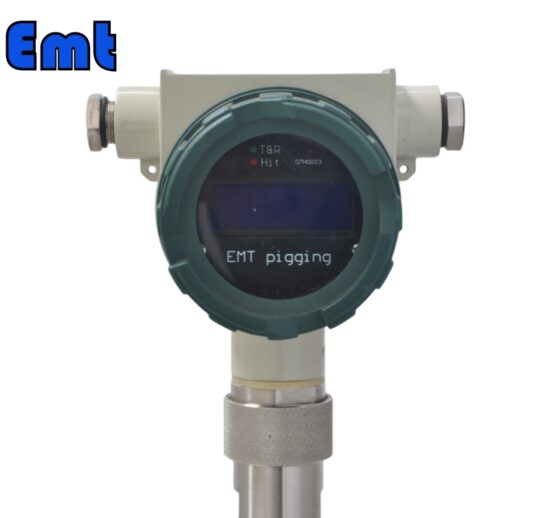
Lastly, Bidi Pigs play a pivotal role in inline inspection and data collection. Equipped with sensors, they gather critical data on pipeline integrity, identifying potential issues before they escalate. This proactive approach to monitoring helps avoid unscheduled downtime and expensive repairs, safeguarding the pipeline’s future.
Operation of Bidi Pigs
Before launching a Bidi Pig, operators must complete a pre-operation checklist. This includes verifying the pig’s condition, ensuring the pipeline’s pressure is appropriate, and confirming the communication systems are operational. Successfully launching and recovering Bidi Pigs requires skill and precise coordination. Operators must align the launch with pipeline flow rates and pressure differentials to ensure a smooth entry and journey.
Once the Bidi Pig is in the pipeline, continuous monitoring is crucial. Operators track the pig’s progress using real-time data, watching for any signs of irregularities. They also maintain constant communication with the control room to adjust operational parameters as needed.
Furthermore, recovery demands attention to detail; operators must prepare the receiving station and carefully extract the Bidi Pig at the correct time. This careful orchestration ensures the pig completes its mission effectively, maintaining the integrity and efficiency of the pipeline system.
Safety and Environmental Considerations
Bidi Pigs significantly contribute to environmental protection by preventing leaks that could contaminate soil and water. Their use in regular maintenance ensures pipelines remain intact, drastically reducing the risk of hazardous spills. Furthermore, during pigging operations, safety protocols are paramount. Operators must wear protective gear, follow strict procedures, and continuously monitor for any signs of malfunction or breach.
Additionally, Bidi Pigs helps operators comply with stringent environmental regulations. They ensure the integrity of the pipeline, which is a regulatory requirement in many regions. By doing so, they not only protect the environment but also help companies avoid costly penalties and reputational damage.
Lastly, as Bidi Pigs navigate and clean, they collect valuable data, enabling proactive measures against potential environmental hazards. This data-driven approach informs maintenance strategies, ensuring pipelines meet both safety and environmental standards, thus safeguarding the ecosystem while maintaining operational excellence.
Conclusion
In conclusion, the Bidi Pig stands as an essential tool in the arsenal of pipeline maintenance, offering unparalleled versatility and effectiveness. Through their bidirectional capabilities and multifunctional design, Bidi Pig ensures the integrity and efficiency of pipeline systems. Thus playing a pivotal role in the oil and gas industry’s commitment to operational excellence and environmental stewardship. By facilitating routine cleaning, inspection, and data collection, these tools not only prevent costly incidents but also contribute to the longevity and reliability of pipeline infrastructure. As the industry continues to evolve, the importance of the pig will only grow, solidifying its status as a key component in maintaining our energy lifelines in a safe and sustainable manner.