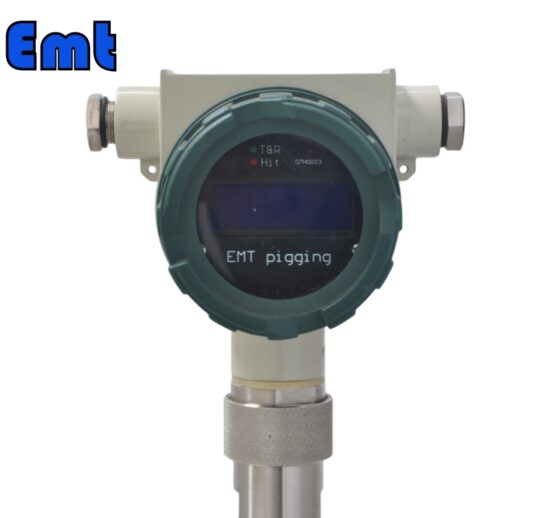
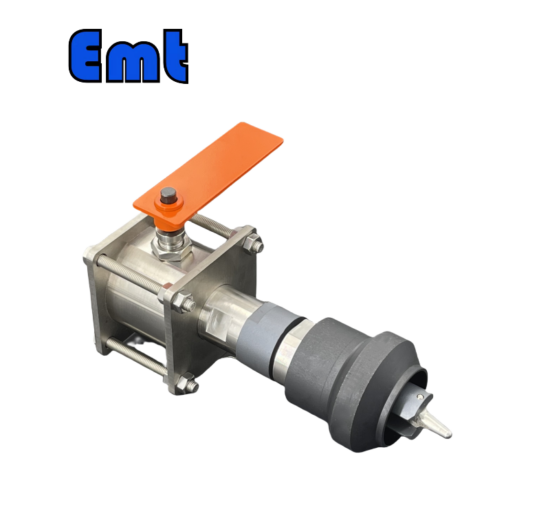
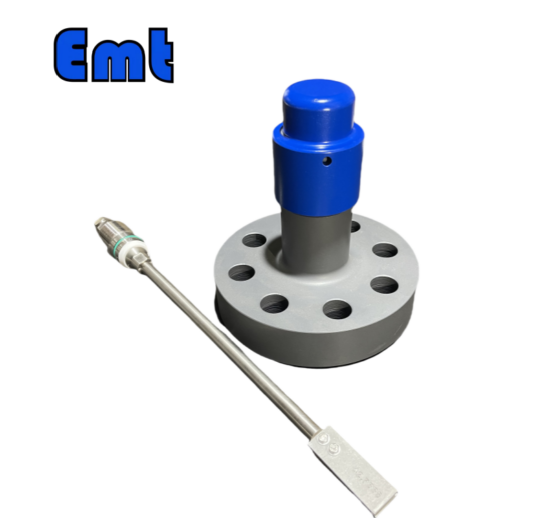
EMT pig indicators can feature pressure sensors and wireless capabilities. It enables real-time data transmission to control rooms or mobile devices. This allows operators to monitor the condition of the pipeline in real-time, even in remote or hard-to-reach areas.
Detailed Overview of Pig Indicator Types
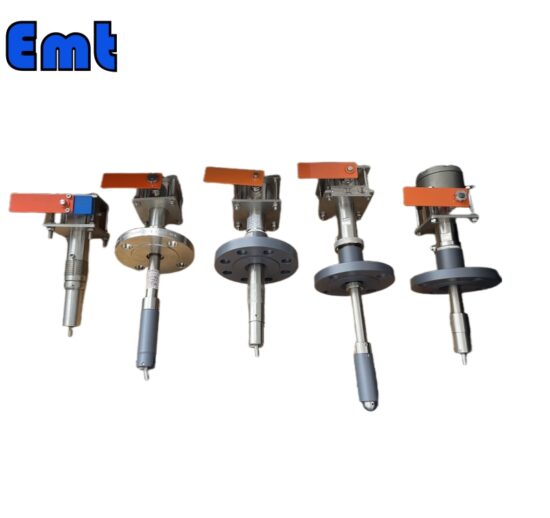
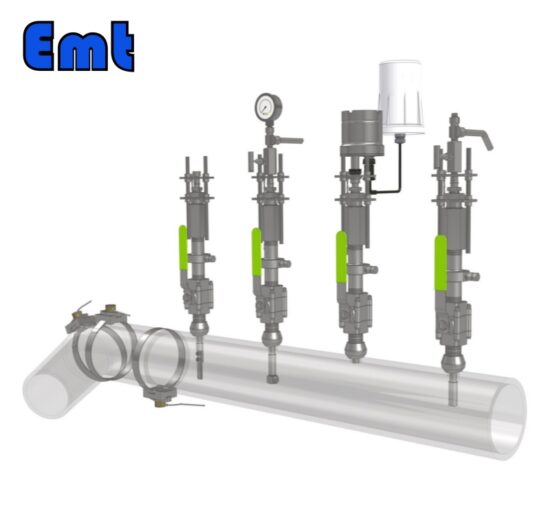
- Type A – Intrusive with Popper Type Indicator
- This version reaches into the pipeline and pops a flag when a pig passes. Operators can see the flag from a distance, allowing for quick visual confirmation.
- Type B – Intrusive with Manual Reset Flag
- After detecting a pig, this indicator raises a flag that operators must manually reset. It’s simple and reliable, offering direct, hands-on monitoring.
- Type C – Intrusive with Dual Feedback
- Combining a manual flag and electrical signals, this indicator provides two types of alerts. It ensures both local and remote awareness of a pig’s passage.
- Type D – Non-intrusive with Advanced Signals
- This type stays outside the pipeline and uses sensors to display the time and date of a pig’s transit, with electrical signals for remote tracking. It’s ideal for operators who prefer non-invasive methods and require detailed passage records.
Description
A pig indicator detects the pig’s passage in the pipeline during the pig-running process, which we usually call a signaler.
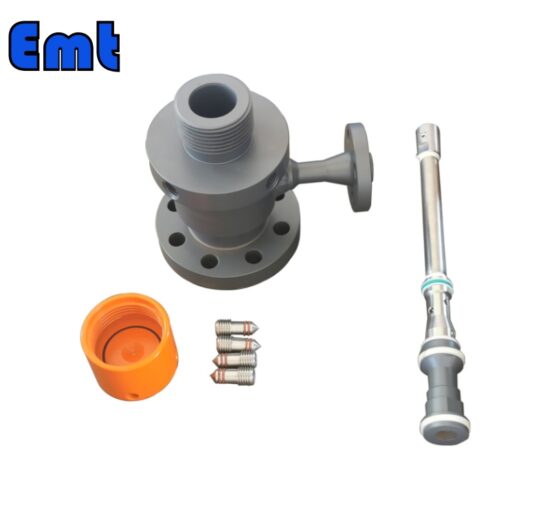
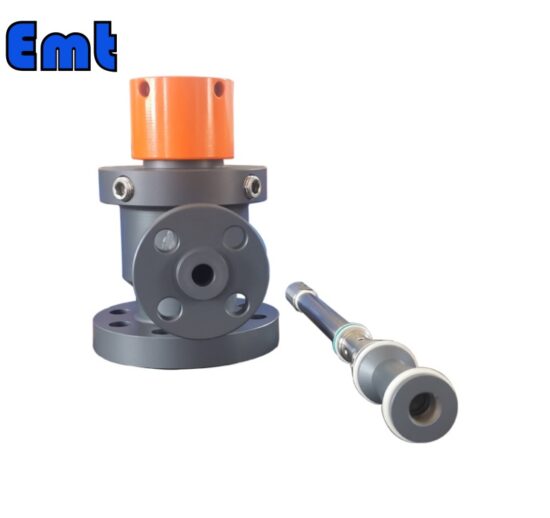
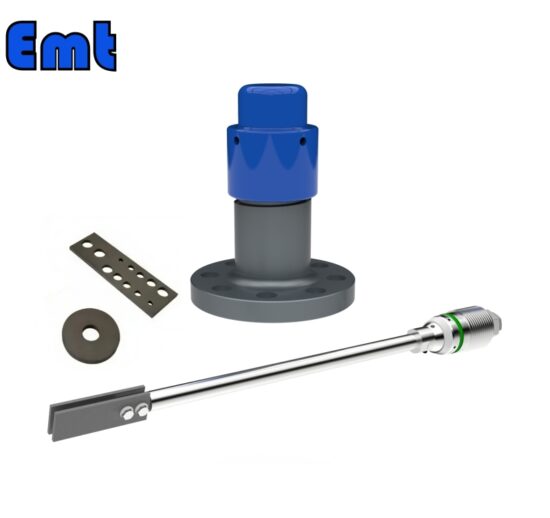
You permanently install the intrusive through-fitting (O-threaded or flanged mounting) on the pipe. It works with any pig type without requiring special attachments. Typically, it includes a probe that extends into the pipe and mechanically activates when the pig passes.
Frequently Asked Questions About Intrusive Pig Indicator
What is an invasive pig indicator?
An intrusive pigging indicator is a mechanical device. It has a probe that extends inside the pipe to detect the passage of a pipe inspection instrument, commonly referred to as a “pig.”
How does an intrusive pig indicator work?
It works by inserting a probe into a tube; When a pig passes by, it physically reacts with the probe. This interaction triggers a mechanical signal, which could be a visual sign, a ring, or an electronic alarm indicating the pig’s presence.
Can invasive pig indicators be used on all types of pigs?
Yes, manufacturers design them to work with all pig types, including cleaning pigs, inspection pigs, and sealing pigs. They do not need special modifications or additions to the pigs.
Are intrusive pig indicators safe in all pipeline conditions?
Although generally safe, their safety depends on the pipeline’s specific conditions, such as pressure, temperature, and transport material. It’s crucial to choose indicators appropriate for the pipeline’s operational conditions.
Can intrusive pig indicators provide real-time monitoring?
Yes, modern intrusive pig indicators come equipped with advanced features like pressure sensors and wireless communication. These features allow for real-time updates to remote monitoring systems, enhancing pig tracking and immediate pipeline condition assessment.
Conclusion
In summary, intrusive pig indicators are essential for safe, efficient pipeline maintenance. Their mechanical design easily detects various pig types, ensuring versatility. Operators must choose devices that suit the pipeline’s specific conditions. Advanced indicators now incorporate pressure sensors and wireless technology, boosting functionality. These upgrades enable real-time data transmission, critical for prompt issue resolution. As technology progresses, pig indicators will continue to enhance pipeline safety and efficiency.