Elasticity The properties of the Resistance Bands band (how stretchy, how “snappy”, how much tension at a given stretch) determine how hard the resistance is.
Variable resistance As you stretch Resistance Bands the band more, resistance increases. Thus, one movement (for example, pulling the band) gets harder as you go further.
Portability They are generally Resistance Bands light and compact.
Adjustable You can change the load by changing band thickness, doubling bands, changing position, anchoring differently, etc.
Types of Resistance Bands
Resistance bands come in many forms. Understanding which type suits which need is vital.
Loop Bands / Mini‑Bands
Small looped band, often flat or tubular, Resistance Bands usually short in length. Used for lower body exercises: glute activation, hip abduction, lateral walks, etc.
Tube Bands with Handles
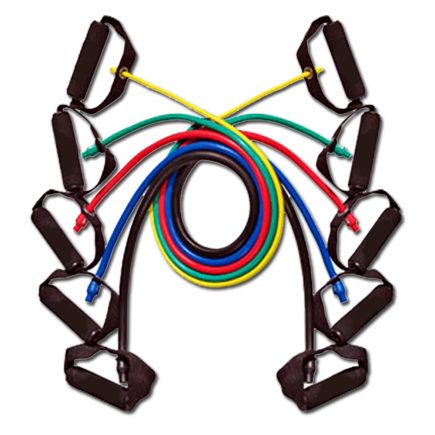
Cylindrical or tubular bands, sometimes with handles at the ends. Good for pulling/pushing exercises, mimicking dumbbells or cable machines.
Therapy Bands / Flat Bands / Resistance Straps
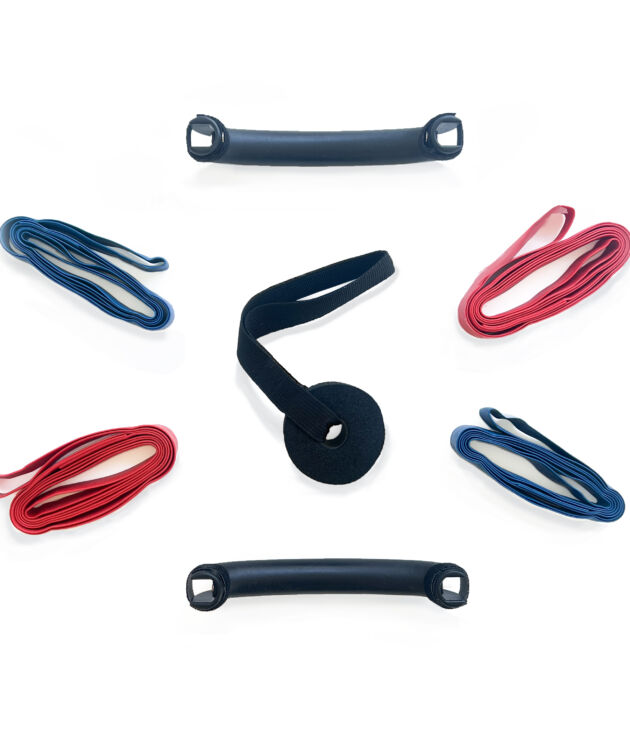
Flat, often without handles. Used in rehabilitation, stretching, mobility work. Often lighter resistance (but higher range available).
Figure‑8 Bands
Resemble the number “8” in shape; often have handles or soft pads where you grip. Useful for some shoulder, arm, or chest work.
Pull‑Up Assist Bands / Heavy Duty Bands
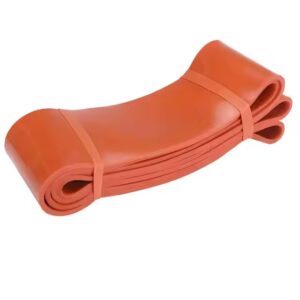
Large, thick bands that can support body weight; used to assist pull‑ups, dips, or provide very high resistance for heavy‑duty strength work.
Fabric Bands
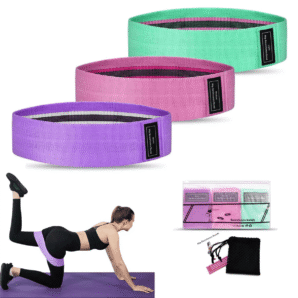
These are cloth or woven elastic bands, often more comfortable against skin, less rolling or digging into skin than rubber. Popular for glutes, thighs.
Specialty Bands
Bands with carabiners, bands for Olympic lifts Resistance Bands (e.g. banded squats, bench press assistance), bands integrated in other gear (bands inside suspension trainers), or bands with different anchoring systems.
Benefits of Using Resistance Bands
Resistance bands bring a suite of advantages:
Portability & Convenience
They are lightweight and compact—easy to Resistance Bands pack for travel, use at home, or take to the gym.
Cost‑Effectiveness
Compared to gym machines or large free weights, bands are inexpensive. A range of resistance bands gives you a lot of workout options without heavy investment.
Adaptable Resistance / Variable Resistance
Resistance increases as the band is stretched more. This allows for progressive overload and dynamic tension profiles: at the end of a movement, resistance is generally higher.
Versatility
Bands can be used for almost every muscle group: legs, glutes, back, chest, core, arms, shoulders. They can assist or resist motion.
Safe for Joints & Rehab
Due to elasticity and smoother tension curves, bands tend to be gentler on joints compared to weights, if used properly. They are frequently used in physical therapy.
Improved Muscle Activation
Bands force stabilizing muscles to work harder; they promote activation of core, smaller stabilizer muscles because of the need to control the bands.
Range of Motion & Flexibility Improvements
Stretching with bands, or combining them with Resistance Bands mobility drills, helps improve flexibility and joint range.
Progressive Overload Possible
You can increase tension gradually (by using thicker bands, combining bands, stretching more, altering leverage), helping muscle growth or strength over time.
Useful for Warm‑ups & Accessory Work
Mini‑bands or light resistance bands are ideal for warming up shoulders, glutes, hip abductors, mobilizing joints before heavy training.
How to Choose the Right Resistance Bands
Selecting bands that match your goals, fitness Resistance Bands level, and use environment is essential.
Understanding Resistance Levels
Most bands are color‑coded by Resistance Bands resistance (light, medium, heavy, extra heavy, etc.). Always check the manufacturer’s resistance rating (in lbs or kg) rather than just color, because color standards vary.
If you’re a beginner, start light to moderate; for heavier lifts or advanced strength training, you may need heavy or multiple bands.
Material and Comfort
Rubber/latex vs synthetic or fabric Latex bands often offer higher elasticity and more “spring,” but can snap more easily and may degrade with sun, sweat, or oils. Fabric bands are thicker, more comfortable, harder to roll or twist, but may offer less maximum stretch.
Handles vs no handles Handles Resistance Bands add grip comfort; flat or fabric bands are better for placing around limbs.
Size & Length
For lower body work you might need long bands or big loop bands.
For shoulder/arm exercises, shorter bands or tube bands are sufficient.
Durability & Quality
Thicker bands tend to last longer, but also degrade if not cared for properly.
Look for reinforced stitching on handles or anchor points; examine the quality of the elastic, resistance range that stays true as you stretch.
Portability & Storage
If you travel often or want to take them outdoors, look for easily rollable, lightweight, compact bands.
Some kits come with carrying cases or anchor attachments.
Budget
Basic flat or loop bands are very cheap; heavy duty tubular or pull‑up assist bands cost more.
Kits offering sets of multiple resistances are often good value.
How to Use Resistance Bands: Techniques & Tips
To get the most out of resistance bands, proper technique and smart usage is crucial.
Setting Up Safely
Anchor points Use a secure anchor if you loop a band around something (door frame, pole, bench). Make sure it won’t slip or break.
Inspect the band Before each use, check for nicks, tears, or weak spots. Old or damaged bands can snap and cause injury.
Grip Hold handles or ends firmly but not too tightly; avoid letting sharp nails or rough edges press into the band.
Controlling Tension
Begin with slight stretch so there’s tension even at start of movement—this improves muscle activation.
Maintain smooth motion; avoid letting the band “snap back”—control the eccentric (return) phase as well as the concentric (stretching) phase.
Adjusting Resistance
To increase: use a thicker band, double bands, shorten the band (grip closer to anchor or shorter span), stretch more.
To decrease: use a thinner band, longer span, less stretch, or choose a lighter resistance band.
Good Range of Motion
Use bands through full range of motion for better muscle engagement and mobility. For instance, in a chest press, push fully without restriction; in a squat, go as low as your flexibility allows (while maintaining form).
Combining with Other Training Modalities
Bands can augment free weight work (banded squats, banded bench press) for accommodating resistance.
Use bands as warm‑ups, accessory work, or “finisher” exercises.
Use bands for rehab or prehab (e.g. shoulder rotator cuff, glute activation).
Resistance Bands Exercises
Here’s a list of sample exercises, grouped by body part, showing what resistance bands can do. Feel free to mix and match.
Lower Body & Glutes
Glute Bridges with Band Place a loop band above knees, lie on back, feet planted; lift hips while pushing knees outward.
Lateral Band Walks (Side Steps) Band around ankles or above knees; step side to side, keeping tension.
Band‑Assisted Squats Hold band overhead or anchor it under feet to add resistance.
Band‑Resisted Deadlifts / Romanian Deadlifts Band under feet and over shoulders or hands adds resistance through the lift.
Clamshells Lying on side with a loop band above knees, open and close knees keeping feet together.
Upper Body
Band Pull‑Apart Hold band in front with both hands and pull arms apart, squeezing shoulder blades.
Chest Press / Band Push‑Ups Anchor band behind you or around your back to add resistance to push‑ups.
Rows Anchor band in front, pull handles toward body, engaging back muscles.
Shoulder External/Internal Rotation For rotator cuff health—very useful in shoulder rehab.
Bicep Curls / Tricep Extensions Secure one end and curl/extend.
Core / Stability
Anti‑Rotation Press / Pallof Press Anchor band at side, press out in front resisting rotation.
Woodchoppers Diagonal band pulling motion to work obliques.
Plank with Band Pull In plank position, someone pulls the band; core resists the pull.
Leg Raises / Knees‑in with Bands For lower abdominal engagement.
Full Body / Functional Movements
Band‑Assisted Pull‑Ups Use a heavy band to reduce load, gradually using lighter bands until you can do pull‑ups unassisted.
Band‑Resisted Push‑Ups Band across back, holding ends under hands to increase resistance.
Band Squat to Overhead Press Combine lower and upper body movement.
Mobility / Warm‑Up / Rehab
Shoulder Dislocations / Band Pull‑Overs for shoulder mobility.
Hip Flexor & Quad Stretching using bands.
Ankle Mobility / Plantar Fascia Stretching .
Using Resistance Bands in Training Programs
Resistance bands aren’t just “accessory”—they can be central in many training programs.
Strength Training
Use heavy bands to replace or assist free weights. For example, banded bench press or squats add accommodating resistance, i.e. resistance increases through the range of motion.
Hypertrophy (Muscle Growth)
More repetitions with moderate resistance; slow time under tension; use drop sets (switching to lighter band mid‑set) or supersets with band work.
Conditioning & Endurance
Light to moderate bands, higher reps, shorter rest; use band work in circuits.
Rehabilitation & Prehabilitation
Bands are standard tools in physical therapy: for restoring mobility, rebuilding muscle after injury, working joint stability.
Flexibility & Mobility
Use bands for stretching, dynamic warm‑ups, mobility drills.
Safety & Precautions
While resistance bands are generally safer than many other tools, misuse or neglect can lead to injury.
Inspect Regularly
Check bands for cracks, tears, thinning spots. If any damage, discontinue use. Rubber deteriorates over time or when exposed to sun or oils.
Secure Anchoring
If you’re anchoring bands around poles, under doors, etc., ensure anchors are solid, locked, and that the band cannot slip off.
Start Light
Especially when you’re new or returning after injury: begin with light resistance to build control, stability, joint strength.
Control Motion
Avoid jerking motions. Stretch and release in a controlled way. Maintain awareness of body alignment.
Form Over Resistance
Better to execute fewer reps with proper form than many with poor technique. Misalignment can strain joints (especially knees, shoulders, back).
Breathing
Don’t hold your breath. Exhale during the hardest part of motion (e.g. pushing/pulling), inhale during release.
Warm Up
Using dynamic stretches, light cardio, possibly very light resistance band movements before higher loads.
Avoid Overstretching
Each band has a maximum stretch limit; exceeding it may cause snapping. Respect manufacturer’s guidelines.
Allergies / Material Sensitivities
Latex bands can cause reactions in sensitive individuals. Consider latex‑free or fabric alternatives if needed.
Maintenance & Care
To prolong life of your bands and maintain safe performance:
Storage Keep bands in a cool, dry place; avoid exposure to sunlight, heat, or sharp surfaces.
Cleaning Wipe with damp cloth; mild soap if needed; avoid strong chemicals.
Avoid abrasive surfaces Don’t drag bands over rough concrete or sharp edges. Consider using anchors with protective sleeves.
Check for damage frequently Before each use inspect band while stretched so you can see weak‑spots that may not show at rest.
Rotate usage If you have a set, alternating among bands may reduce wear on any one band.
Common Myths & Misconceptions
Here are some misunderstandings to clarify.
“Resistance bands aren’t effective for strength or muscle growth.”
Reality: When used with appropriate tension, volume, progressive overload and correct form, bands can stimulate growth and strength just like weights.
“Bands are only for beginners or rehab.”
Not true. Many athletes use bands for advanced training: banded bench press, banded deadlifts, banded pulls, etc.
“All bands are equal.”
Not at all. Materials, thickness, elasticity, manufacturer quality, tolerance of stress, comfort and anchoring all vary.
“You can’t measure the resistance.”
While it’s harder than fixed‑weight plates, many bands list resistance ratings. Also, through feel, reps, and perceived exertion, you can gauge and progress.