2. What makes the Avata 360 different from a conventional drone?
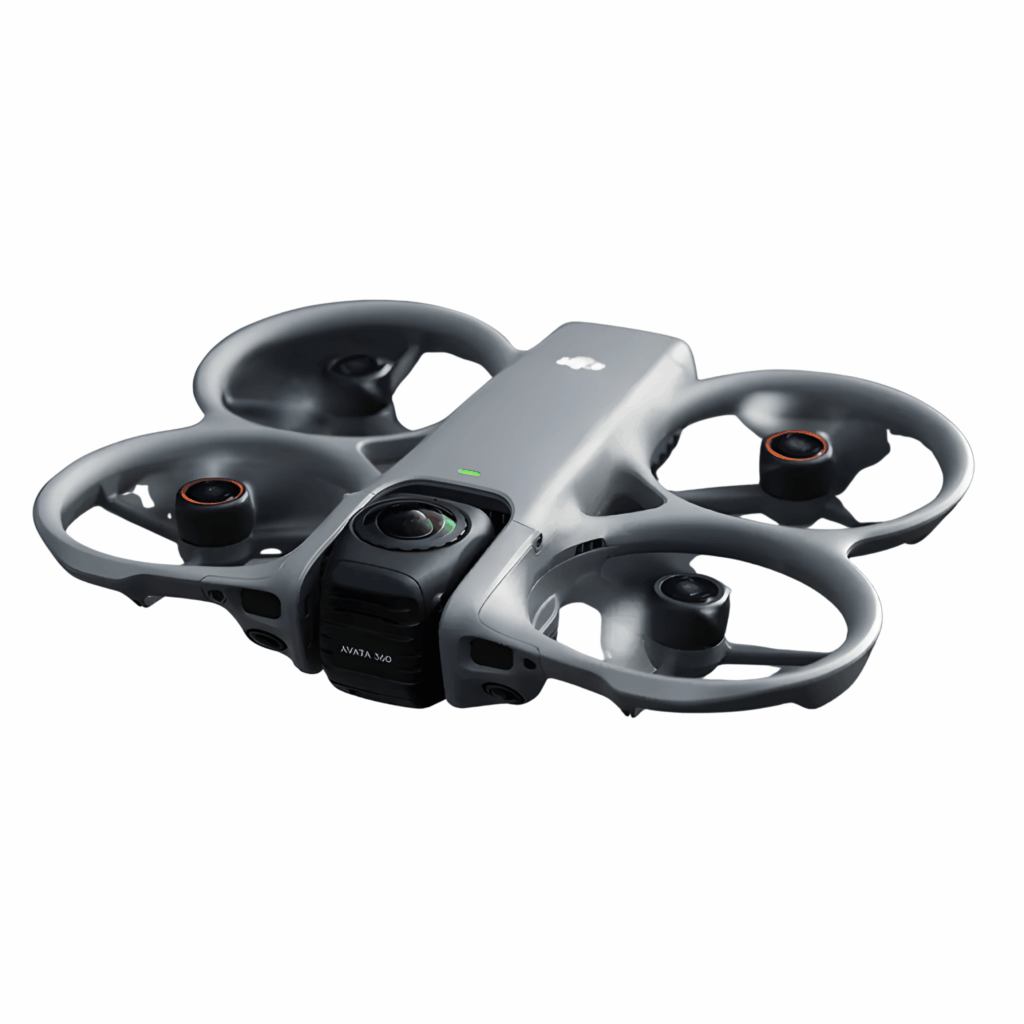
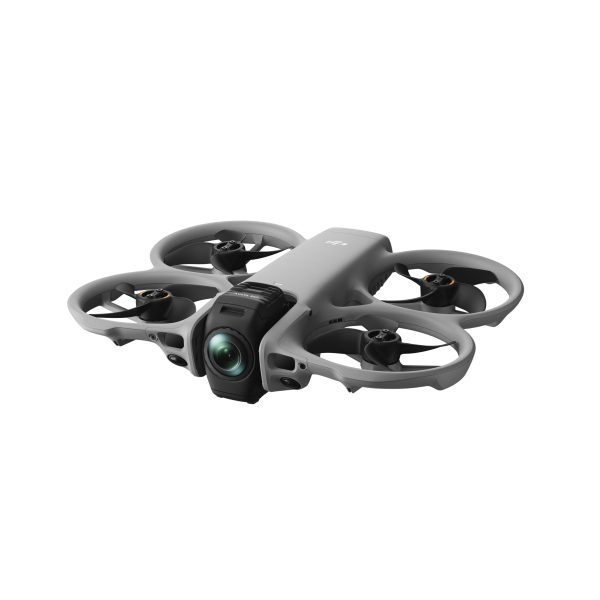
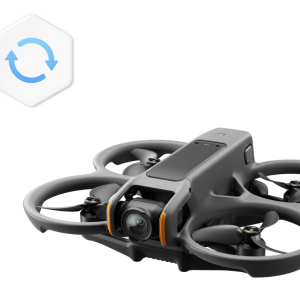
Its 360° camera captures the complete environment around the drone, allowing creators to choose and reframe the viewing angle after the flight instead of having to capture every angle separately.
3. What is the maximum 360° video resolution?
The 360° camera can record up to 8K at 60fps.
4. What resolution does the standard camera support?
The single-lens camera supports up to 3840 × 2880 at 60fps, with high-frame-rate recording up to 120fps at the specified resolution.
5. How many megapixels are the 360° photos?
The system supports up to 120MP JPEG and 118MP DNG 360° still images.
6. Does the Avata 360 have subject tracking?
Yes. It features ActiveTrack 360 and Spotlight, including Standard, Cycling, and Spotlight Free modes.
7. Does it have obstacle avoidance?
Yes. It features omnidirectional obstacle sensing, supported by vision sensors and LiDAR enhancement.
8. What stabilization systems are available?
It features RockSteady for general stabilization and HorizonSteady for keeping the horizon level during horizontal rotation in 360° mode.
9. How far can the video transmission reach?
The O4+ system is specified to provide a live 1080p/60fps feed from up to 12.4 miles, or approximately 20 km, under the stated conditions.
10. What controller comes with the drone?
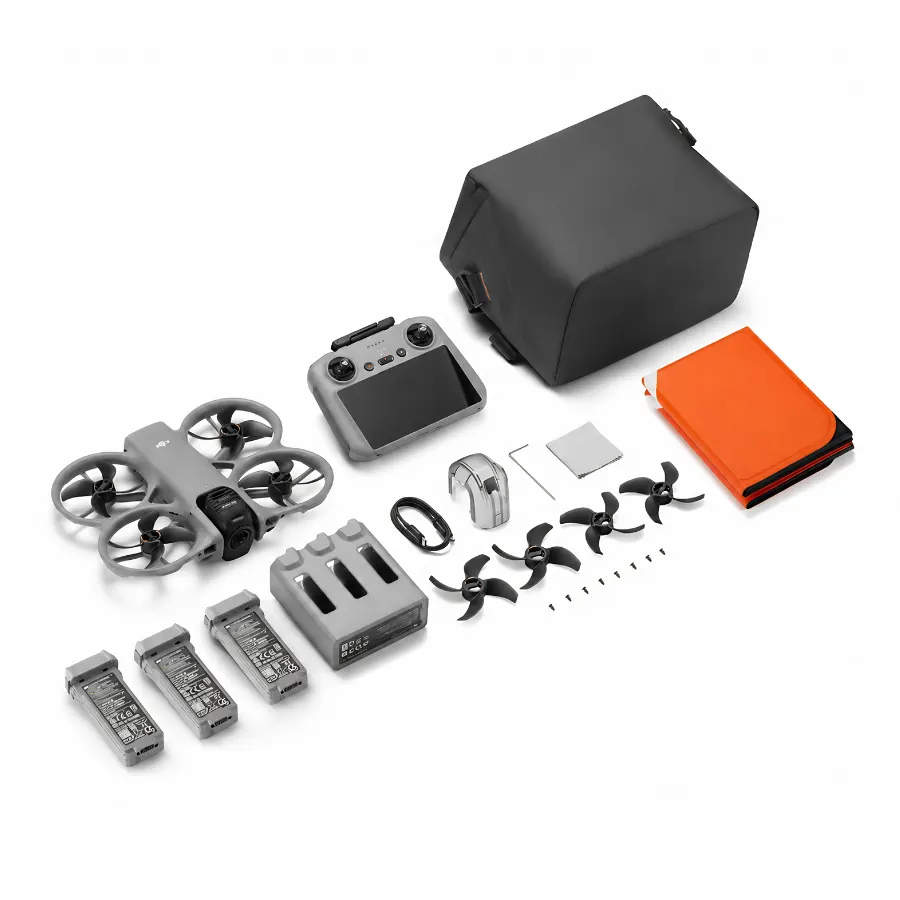
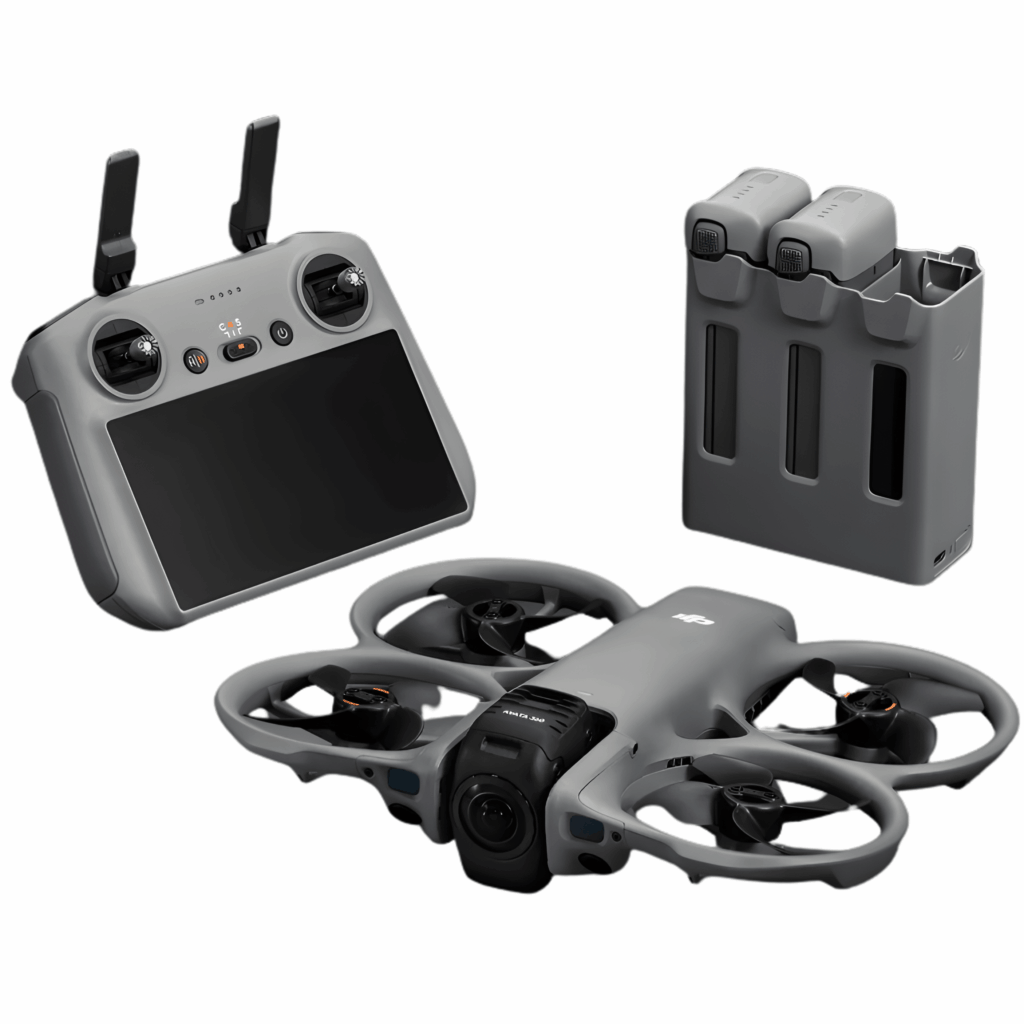
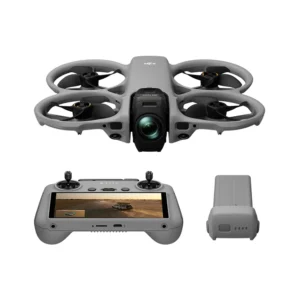
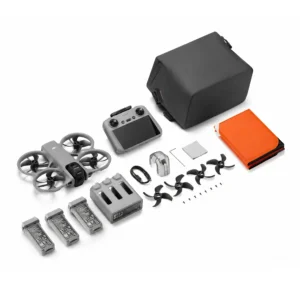
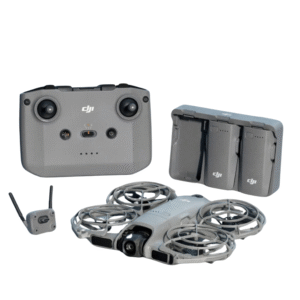
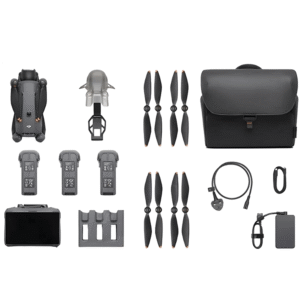
The package includes the DJI RC 2 controller, which has a built-in 5.5-inch 1080p touchscreen display.
11. How much internal storage does it have?
The Avata 360 has 42GB of integrated storage, which is stated to provide roughly 30 minutes of 8K 360° video recording.
12. How long can the Avata 360 fly?
The maximum flight time is up to 23 minutes under specified conditions.
13. Can the 360° footage be reframed after recording?
Yes. One of the main advantages of the 360° system is the ability to select different viewing angles and reframe footage after the flight using DJI’s editing tools.
14. Is the Avata 360 waterproof or suitable for underwater filming?
No. It is not designed for underwater operation and should not be submerged.