About this product
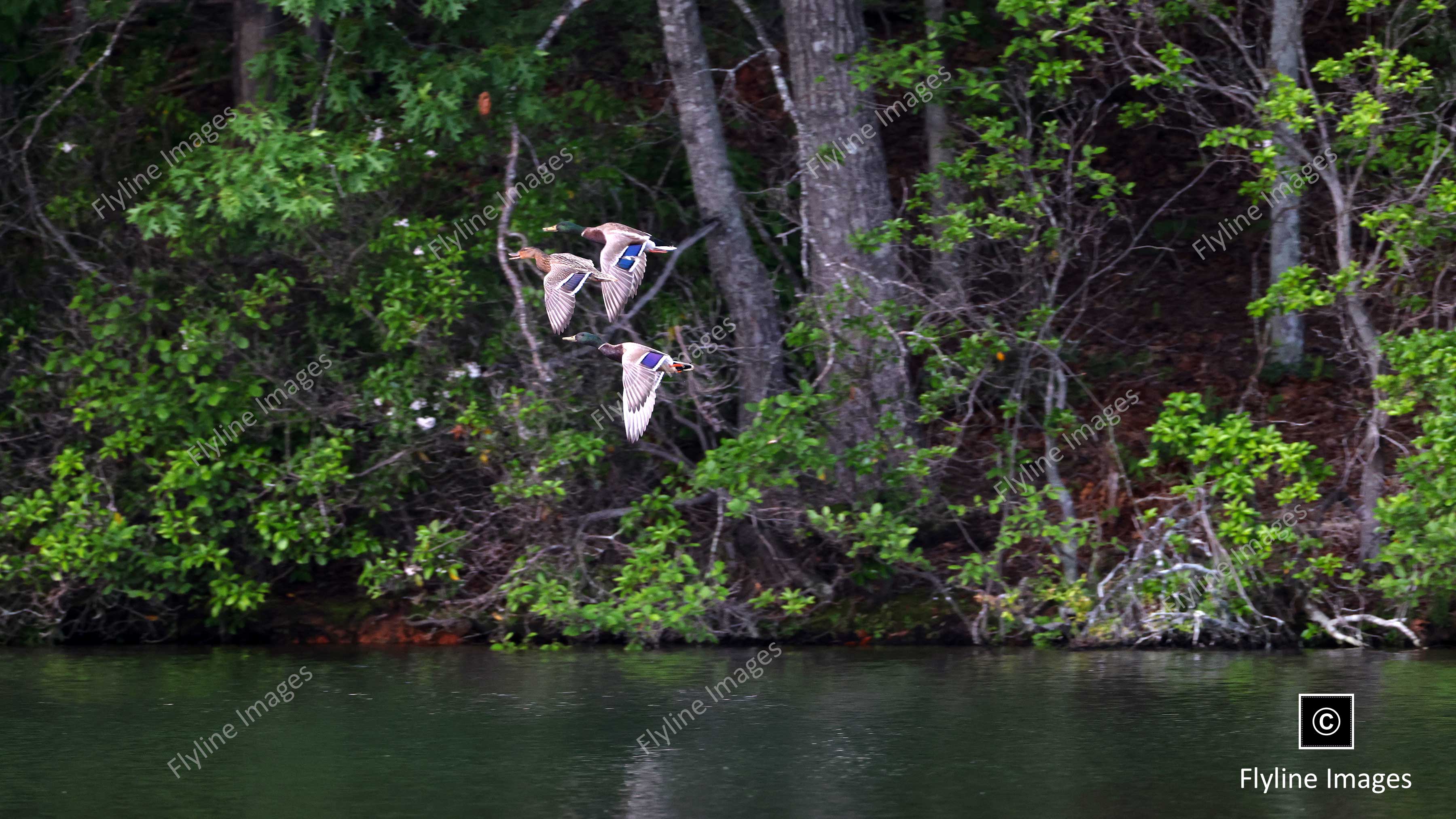
This photo was taken in Big Canoe, Georgia. These gorgeous mallard ducks, along with a lone female duck, were feeding and resting while at Lake Petit. Their vibrant colors and calm demeanor perfectly complemented the serene beauty of the lake, creating a peaceful and picturesque scene. The ducks seemed completely at ease and undisturbed by the presence of people, highlighting their adaptability to different environments and their ability to coexist with humans.
The mallard duck (Anas platyrhynchos) is a common species found throughout North America, Europe, Asia, and sometimes even in parts of Africa. They are highly adaptable birds that can be found in a variety of habitats including wetlands, lakes, ponds, rivers, and even urban parks and gardens.
One of the most distinctive features of the mallard duck is its vibrant plumage. Male mallards have a glossy green head, bright yellow bill, a white collar around their necks and chestnut-colored breast. On the other hand, female mallards have a more mottled brown coloration with orange and brown bills.
Apart from their physical appearance, mallard ducks are also known for their distinctive quacking sound. However, contrary to popular belief, only female mallards actually quack. Male mallards make a lower pitched rasping sound known as a “grumph”. These vocalizations play an important role in establishing dominance and attracting mates during breeding season.
Show allShow less
In terms of diet, mallard ducks are omnivorous and will feed on a variety of plant materials such as seeds, grains, fruits, and aquatic plants. They also consume small insects and crustaceans found in the water or on land. This diverse diet allows them to thrive in a wide range of habitats, from urban parks to rural ponds.
Mallards are also highly adaptable and have been introduced to various parts of the world outside their natural range. This has led to concerns about these ducks competing with native waterfowl and potentially spreading diseases. It is important for humans to carefully manage mallard populations in order to maintain a healthy balance in ecosystems.
In addition, mallards play an important ecological role as seed dispersers. As they feed on plant materials, they inadvertently transport seeds within their digestive system and deposit them in different locations, helping to disperse and propagate plant species.
Image & Download Information
When you purchase this photo, you will be granted access to download the image. We have provided 1 image option, Large 1400 x 500.
In Flylineimages's own words. See it at Flylineimages