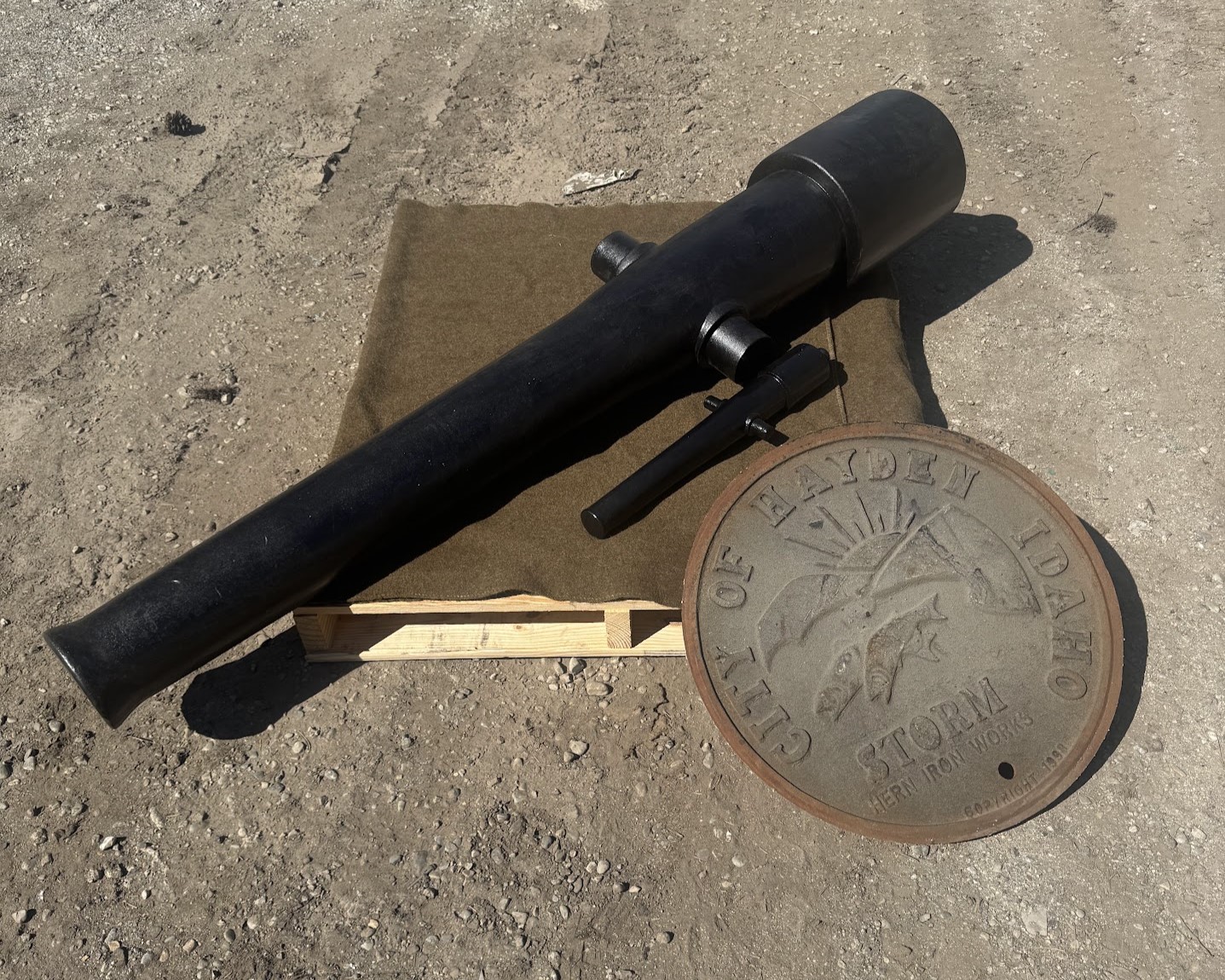
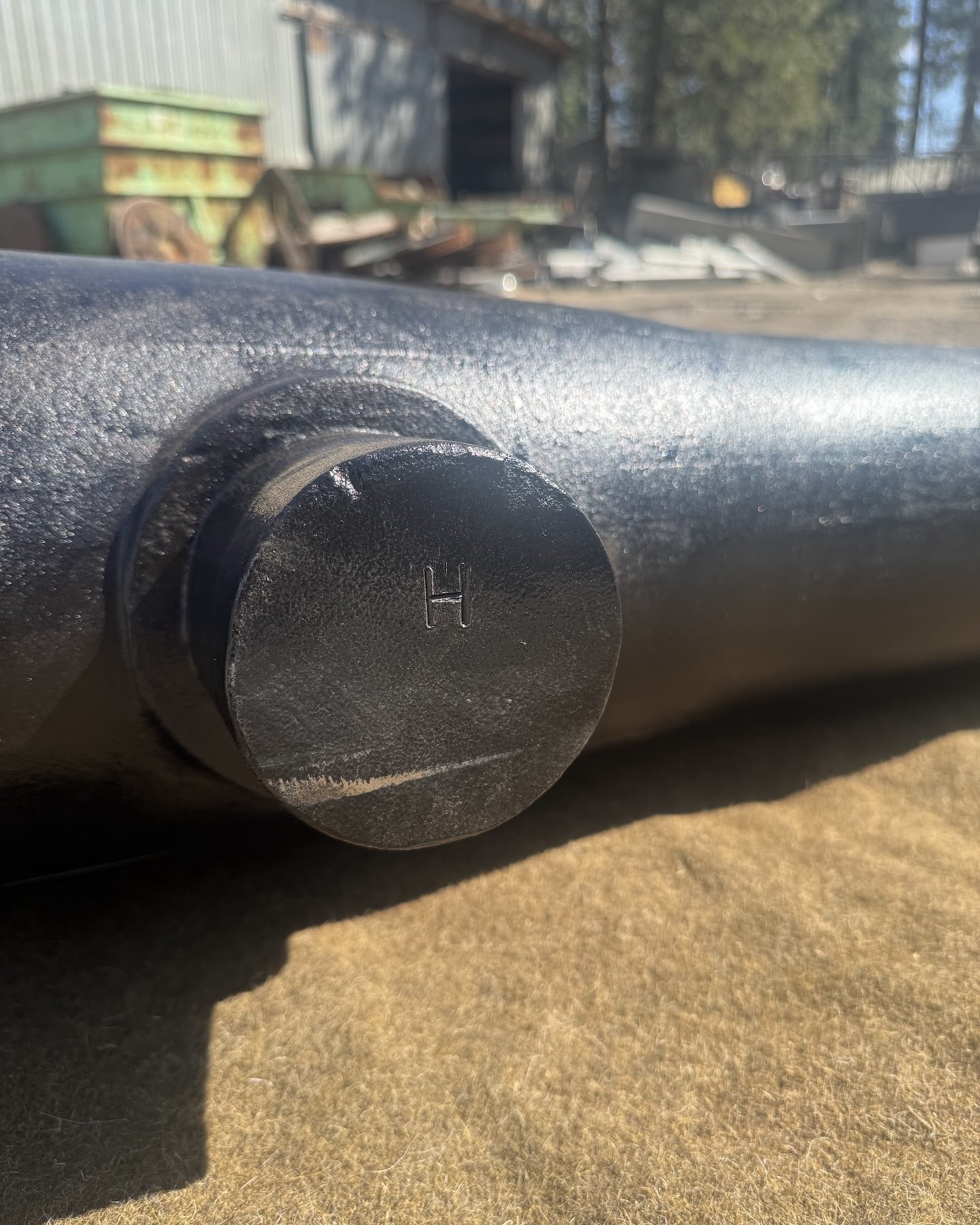
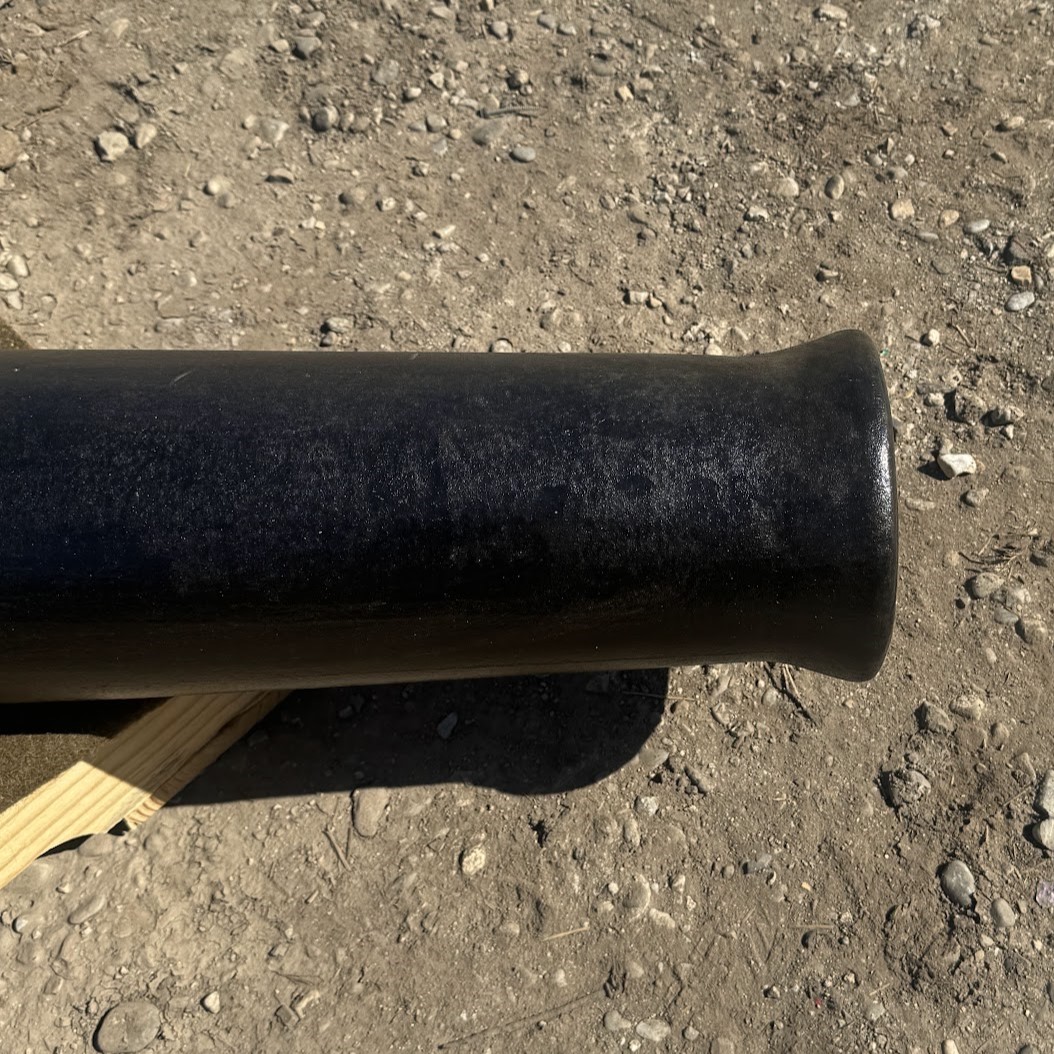
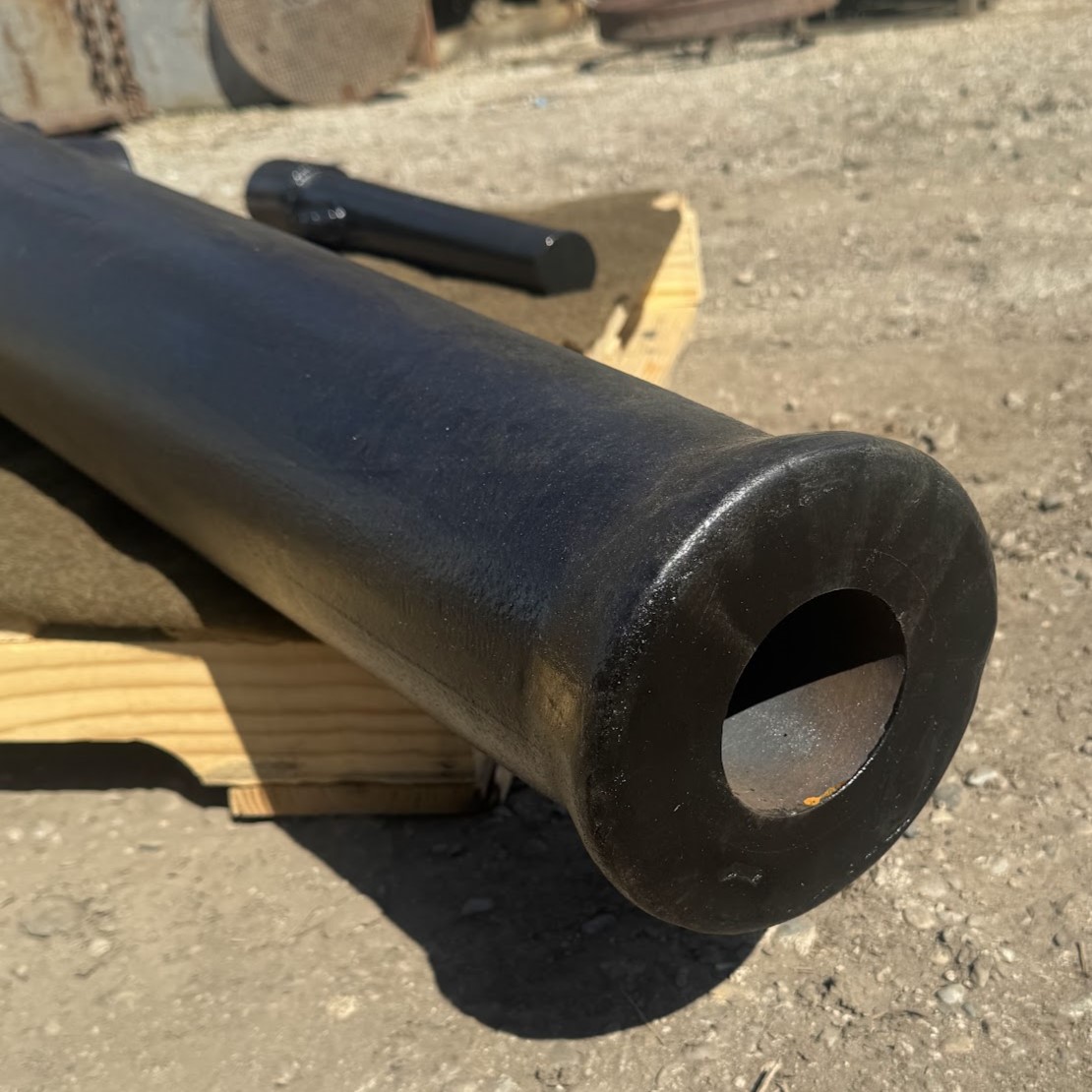
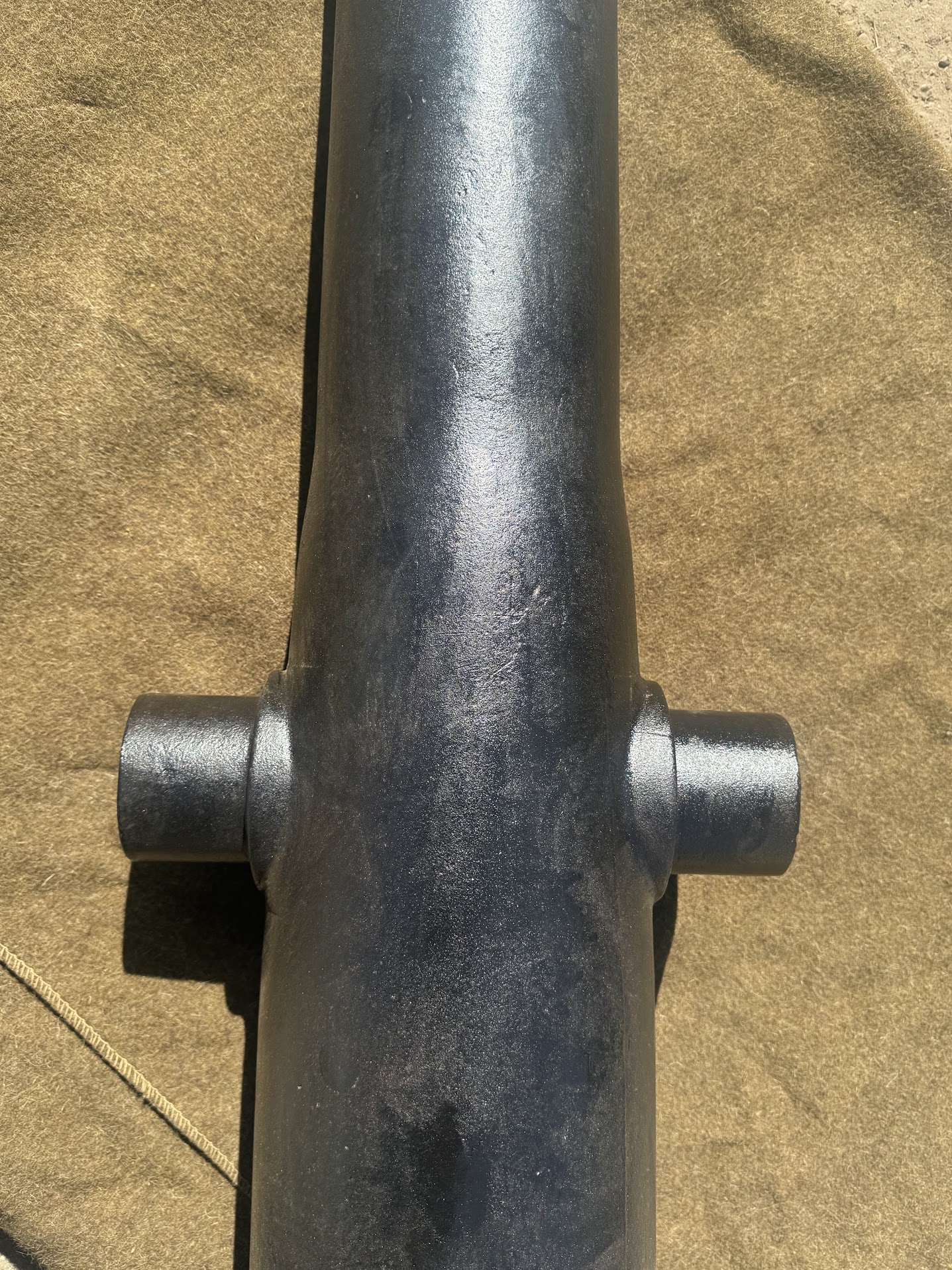
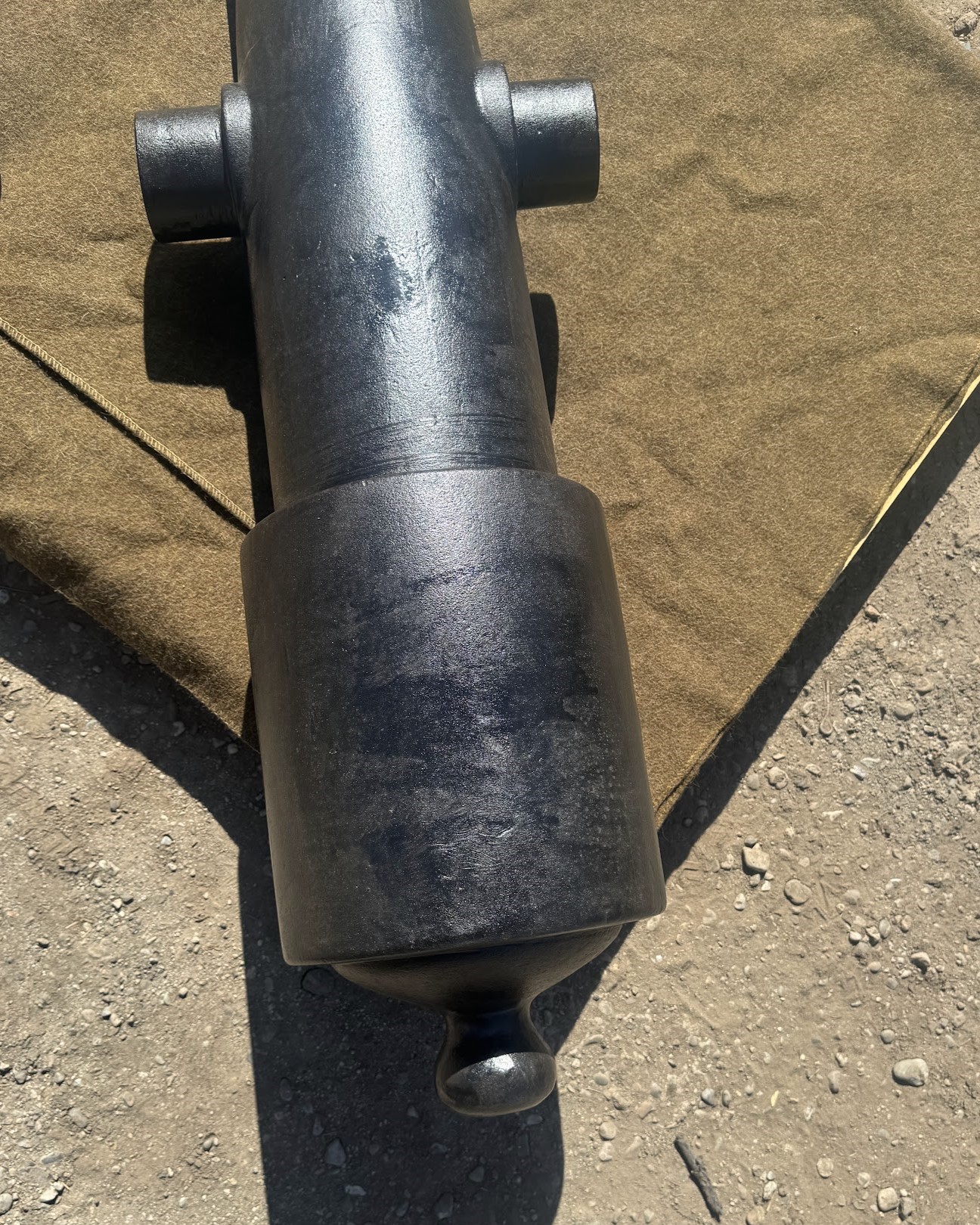
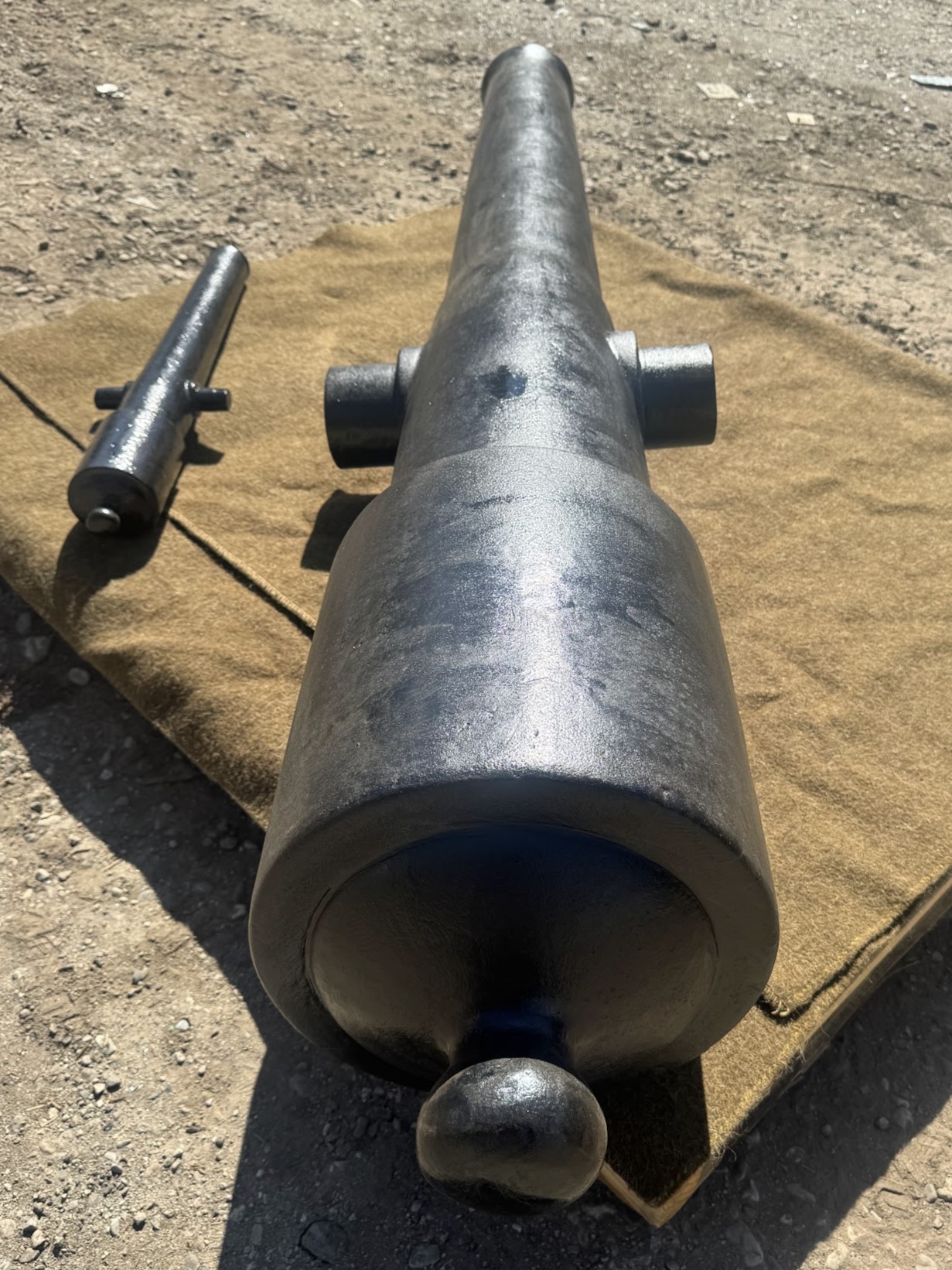
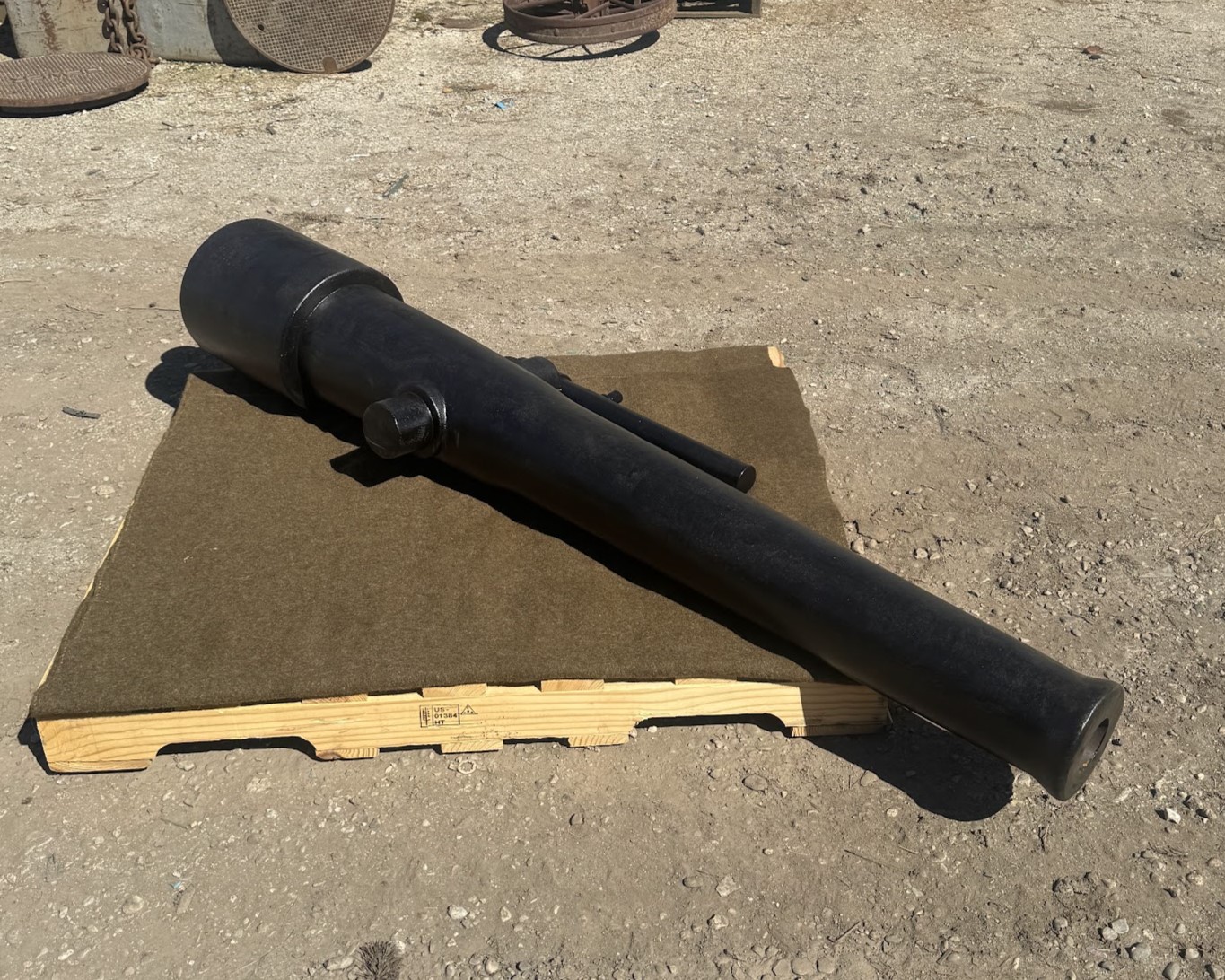
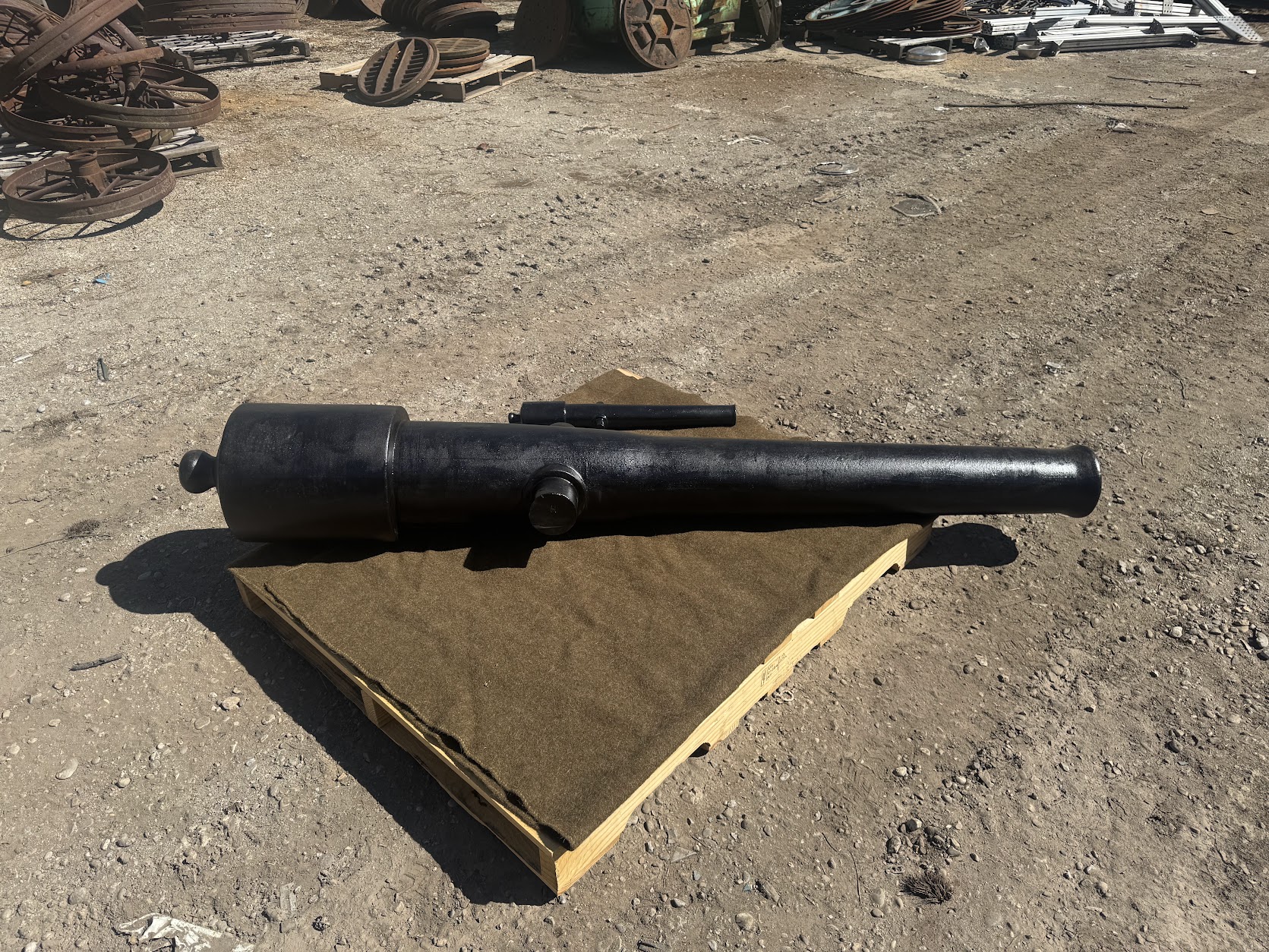
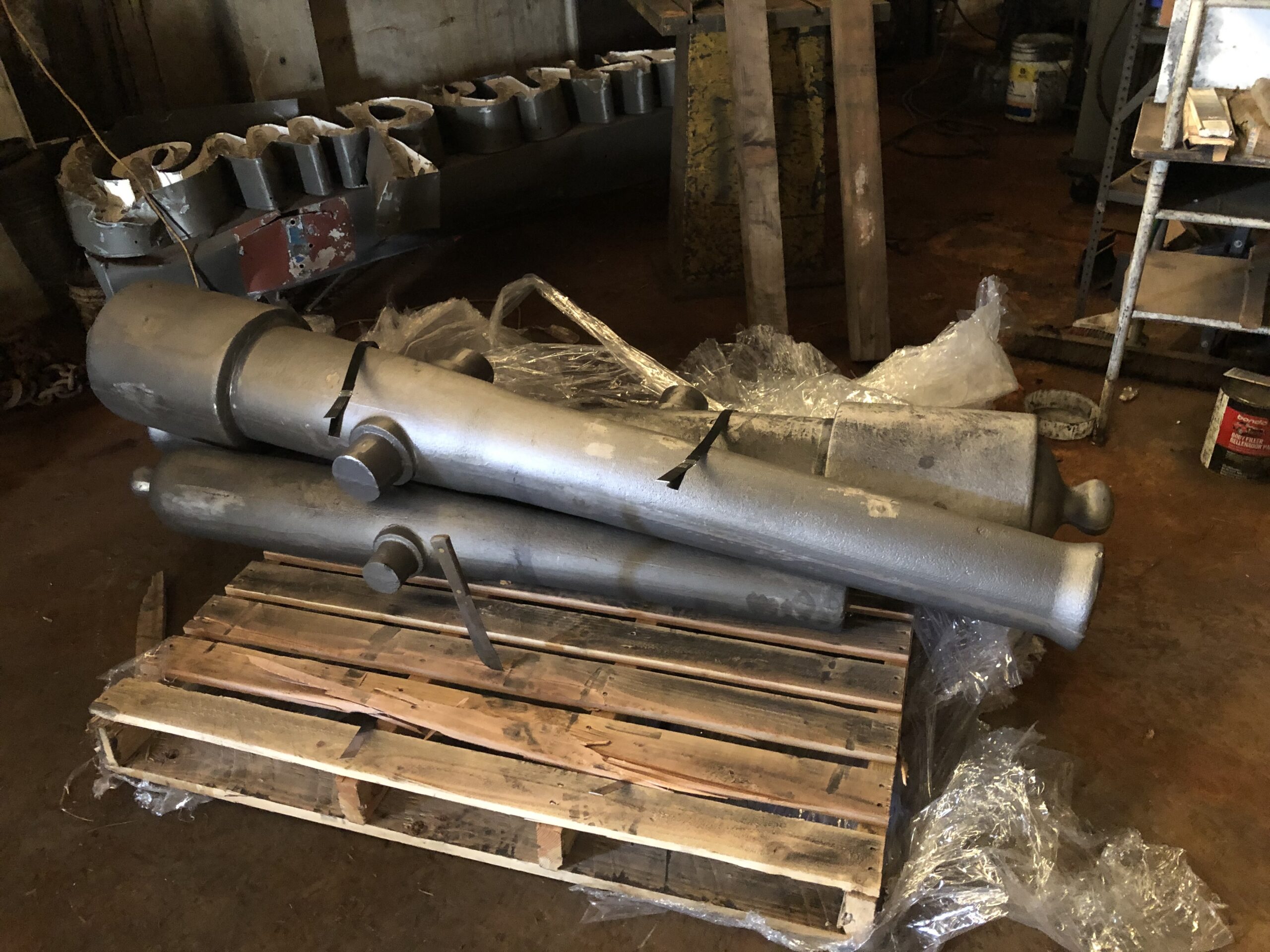
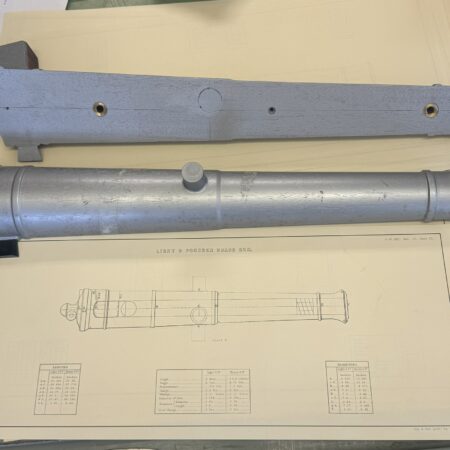
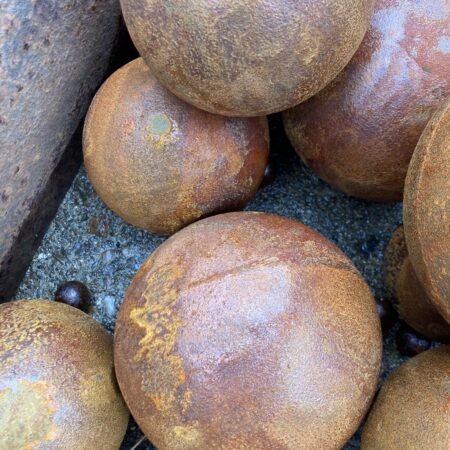
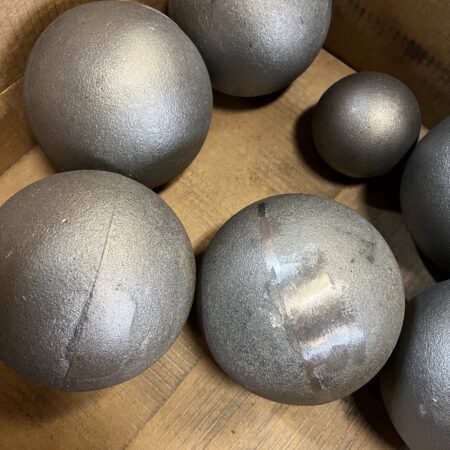
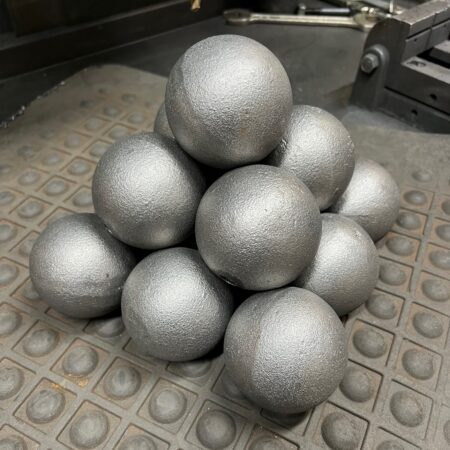
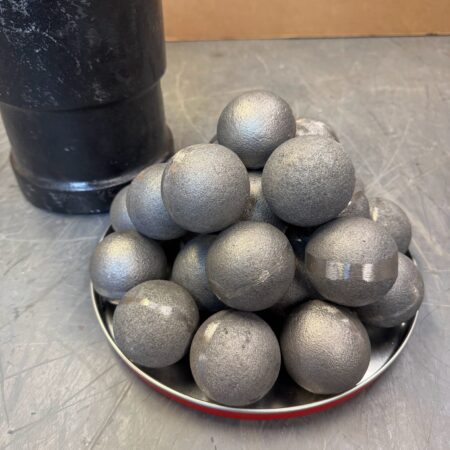
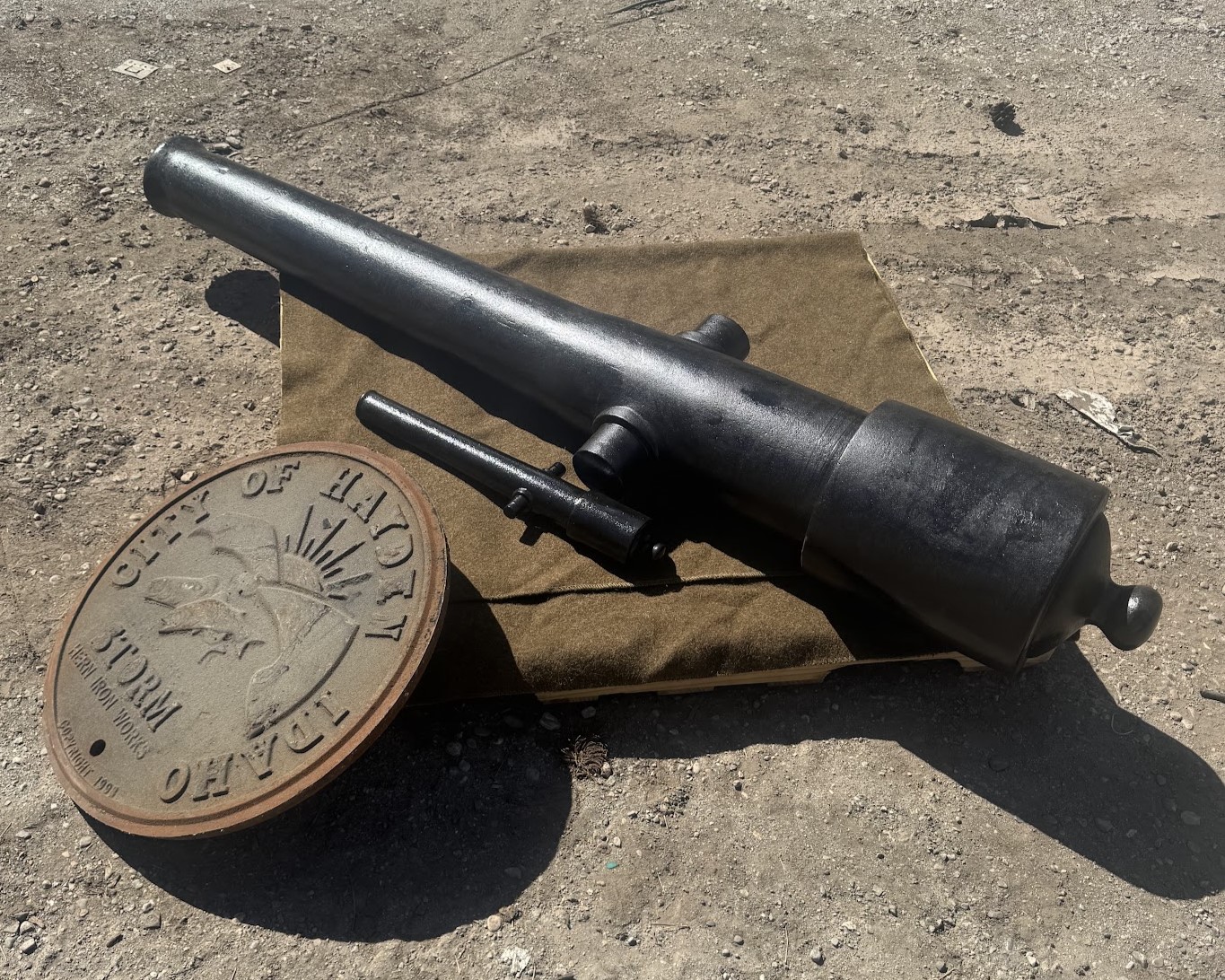
2.9″ Parrott Rifle – 10 Pounder – Full Scale2.9″ Parrott Rifle – 10 Pounder – Full Scale, picture 22.9″ Parrott Rifle – 10 Pounder – Full Scale, picture 32.9″ Parrott Rifle – 10 Pounder – Full Scale, picture 42.9″ Parrott Rifle – 10 Pounder – Full Scale, picture 52.9″ Parrott Rifle – 10 Pounder – Full Scale, picture 62.9″ Parrott Rifle – 10 Pounder – Full Scale, picture 72.9″ Parrott Rifle – 10 Pounder – Full Scale, picture 82.9″ Parrott Rifle – 10 Pounder – Full Scale, picture 92.9″ Parrott Rifle – 10 Pounder – Full Scale, picture 102.9″ Parrott Rifle – 10 Pounder – Full Scale, picture 112.9″ Parrott Rifle – 10 Pounder – Full Scale, picture 12

2.9″ Parrott Rifle – 10 Pounder – Full Scale

No reviews at this store yet

$5,663.00 $5,847.00 −3%

In stockLook twice · the crossed-out price was not its price

Delivery to United States: $15.00 shippingDetails

0cean adds $0. You pay Hernironworks on its own site.

HernironworksIndependent store · hernironworks.comStore page

Price and stock as Hernironworks showed them Nov 26, 10:19 PM UTC.

Dimensions
Bore - 2 1/4, BREECH: 5 1/2" and 5 more
Weight
875 lbs
Store's code (SKU)
CAN15
In the store under
Parrott Rifle
All characteristics

Ask about this product

Find it in other storesCheaper than $5,663.00In stock only

About this product

The Parrott Rifle was a type of muzzle-loading rifled artillery weapon used extensively in the American Civil War. The gun was invented by Captain Robert Parker Parrott, a West Point graduate. He resigned from the service in 1836 and became the superintendent of the West PointFoundry in Cold Spring, New York. He created the first Parrott Rifle (and corresponding projectile) in 1860 and patented it in 1861. *Carriage not included*

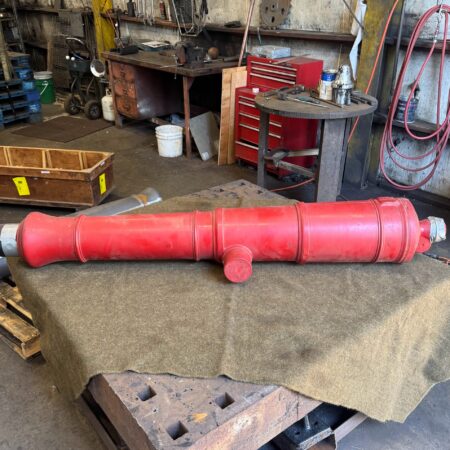
CAN15 – Parrott Rifle, full scale, 3″ bore, 875#, 78″ long.

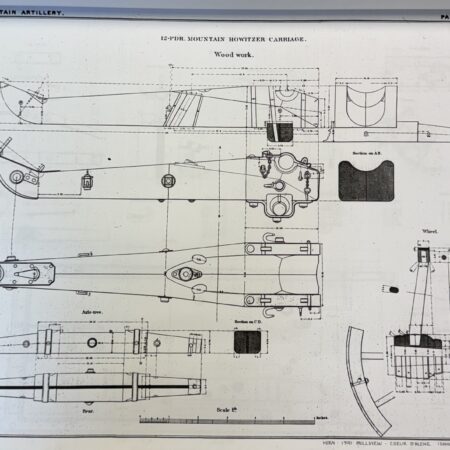
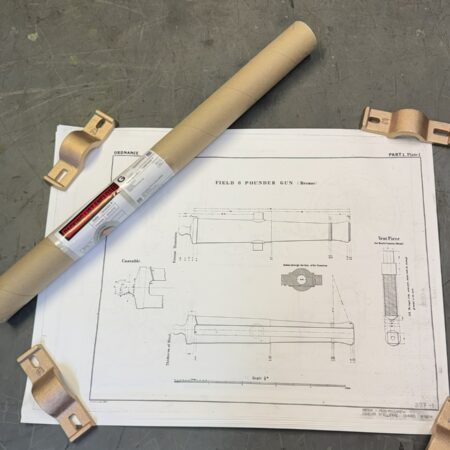
Hern Full Scale guns are accurate Historical Reproductions, patterns made from war department ordinance drawings. Some liberty has been taken as to the bore diameter to match the commonly available DOM product for a quality cast in place steel liner.

These big guns ship via truck, and freight charges are driven by current prices of fuel & distance to destination. A commercial address with a forklift will save you money. Upon order & payment for your barrel, you will be contacted by our office to confirm shipping details and provided with a specific quote. You can pay for shipping over the phone at that time, or mail in your payment.

Large guns are not kept in inventory – they are cast to order. Typical production times are 6-8 weeks.

60lb Parrott in Garrison carriage

The Parrott Rifle was a type of muzzle-loading rifled artillery weapon used extensively in the American Civil War. The gun was invented by Captain Robert Parker Parrott, a West Point graduate. He resigned from the service in 1836 and became the superintendent of the West PointFoundry in Cold Spring, New York. He created the first Parrott Rifle (and corresponding projectile) in 1860 and patented it in 1861. Parrott Rifles were manufactured with a combination of cast and wrought iron.

Show allShow less

The cast iron made for an accurate gun, but was brittle enough to suffer fractures. Hence, a large wrought iron reinforcing band was overlaid on the breech to give it additional strength. There were prior cannons designed this way, but the method of securing this band was the innovation that allowed the Parrott to overcome the deficiencies of these earlier models. It was applied to the gun red-hot and then the gun was turned while pouring water down the muzzle, allowing the band to attach uniformly.

By the end of the Civil War, both sides were using this type of gun extensively. Parrott Rifles were manufactured in different sizes, from 10-pounders up to the rare 300-pounder. In the field, the 10- and 20-pounders were used by both armies. The 20-pounder was the largest field gun used during the war, with the barrel alone weighing over 1,800 pounds. The smaller size was much more prevalent; it came in two bore sizes: 2.9 inch (74 mm)and 3.0-in (76 mm).

Confederate forces used both bore sizes during the war, which added to the complication of supplying the appropriate ammunition to its batteries. Until 1864, Union batteries used only the 2.9-in. The M1863, with a 3-in bore, had firing characteristics similar to the earlier model; it can be recognized by its straight barrel, without muzzle-swell. Its range was up to 2,000 yards (1,800 m) with a trained crew. Naval versions of the 20-, 30-, 60-, and 100-pound Parrotts were also used by the Union navy.

The 100-pound naval Parrott could achieve a range of 6900 yards (6300 meters) at an elevation of 25 degrees, or fire an 80-pound shell 7810 yards (7140 m) at 30 degrees elevation. Although accurate, as well as being cheaper and easier to make than most rifled artillery guns, the Parrott had a poor reputation for safety and they were shunned by many artillerists. At the end of 1862, Henry J. Hunt attempted to get the Parrott eliminated from the Army of the Potomac’s inventory, preferring the 3-inch Ordnance Rifle.

During battles when the Parrott gun would burst, artillerists would chip out the jagged parts and continue firing. In 1889, The New York Times called on the Ordnance Bureau of the War Department to discontinue use of the Parrott gun altogether, following a series of mishaps at the West Point training grounds. Several hundred Parrott gun tubes remain today, many adorning battlefield parks, county courthouses, museums, etc. The gun tubes made by Parrott’s foundry are identifiable by the letters WPF (West Point Foundry) found on the gun tube, along with the initials RPP for Robert P. Parrott. The first production Parrott gun tube (Serial Number 1) still exists, and is preserved on a reproduction gun carriage in the center square of Hanover, Pennsylvania, as part of a display commemorating the Battle of Hanover. A list of many of the surviving tubes can be found at the National Register of Surviving Civil War Artillery.

In Hernironworks's own words. See it at Hernironworks

Delivery and returns

Delivery

$15.00 shipping

To United States. USPS Flat Rate $15.00 · for small items · delivered to regular mailbox. The exact cost of your order is shown at the store's checkout.

The store's shipping policy

Returns

No returns page was found on hernironworks.com. Ask Hernironworks before you buy. hernironworks.com

Payment

You pay Hernironworks directly

On the store's own checkout, with the ways to pay it offers. 0cean adds $0 to the price and never holds your money.

Similar from other independent stores

In the open order every answer uses: what is in stock and priced in your currency first. No store pays for a place. A price in another currency is shown in USD at today's rate; you pay the store's own price.

More from Hernironworks

Everything Hernironworks sells