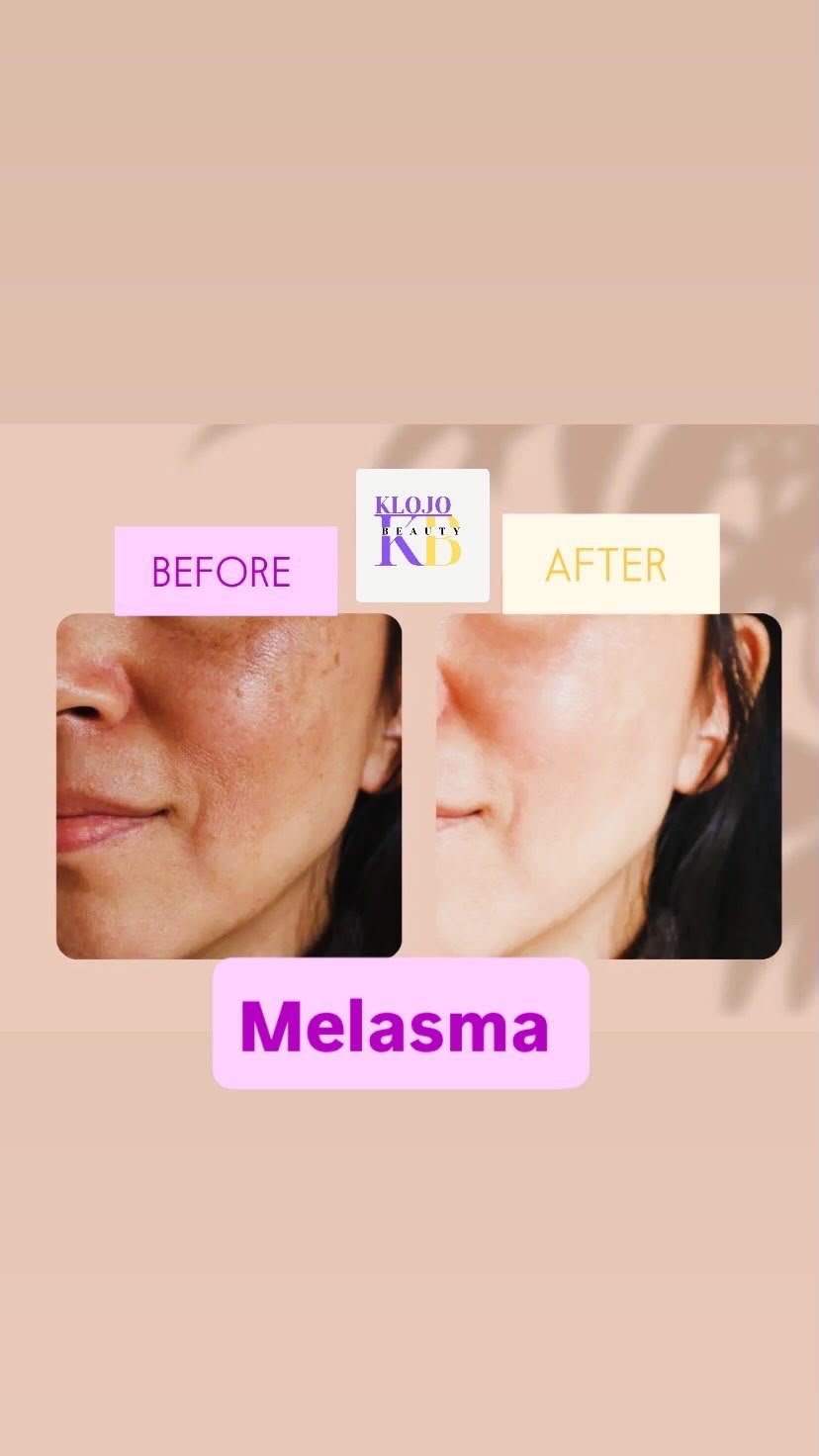
Consultation
A careful consultation is important because irritation or unsuitable treatment can worsen pigmentation. We will discuss your concerns and recommend medical assessment when needed.
Assess the pigmentation Review the appearance and distribution of the patches. A dermatologist may use additional diagnostic tools if the diagnosis or pigment depth needs clarification.
Review triggers Discuss pregnancy, contraceptive use, medicines, skincare, sun exposure and relevant medical history. Do not stop prescribed medicines or contraception without medical advice.
Plan ongoing care Sun protection and a suitable homecare routine are central. Treatment can improve melasma, but recurrence is possible and no fixed percentage of clearance or permanent cure is promised.
Aftercare and long-term management
Consistent sun protection and gentle skincare are the foundation of long-term management. Follow the individual plan agreed at your consultation.
Sun and visible-light protection Use a broad-spectrum SPF 30 or higher daily, with shade and a broad-brimmed hat outdoors. A tinted sunscreen containing iron oxide can add protection against visible light from the sun. Reapply as directed, especially outdoors.
Heat and sensitivity Discuss whether heat aggravates your skin, and avoid overheating or practices that trigger irritation during recovery.
Gentle skincare Avoid aggressive scrubs and products that sting or inflame the skin. Choose gentle, fragrance-free care suited to your treatment plan.
Prescription products Hydroquinone, retinoids and other prescription treatments should only be used under appropriate medical supervision. Follow your prescriber’s dose, duration and review schedule rather than starting, stopping or cycling them yourself.
Who it may suit
The ideal client for melasma management is someone looking for a long-term, sustainable skin routine rather than a fast miracle fix.
Skin tone Melasma commonly affects medium-to-darker skin tones. Procedures and skincare need to account for the risk of post-inflammatory pigment changes; suitability is individual.
Expectations Improvement develops gradually over months, and ongoing maintenance may be needed. Your practitioner or dermatologist will explain a realistic review timeline for your plan.
If your pigmentation began during pregnancy, after a change in contraception or with increased sun exposure, share this history at consultation so the most suitable next step can be discussed.