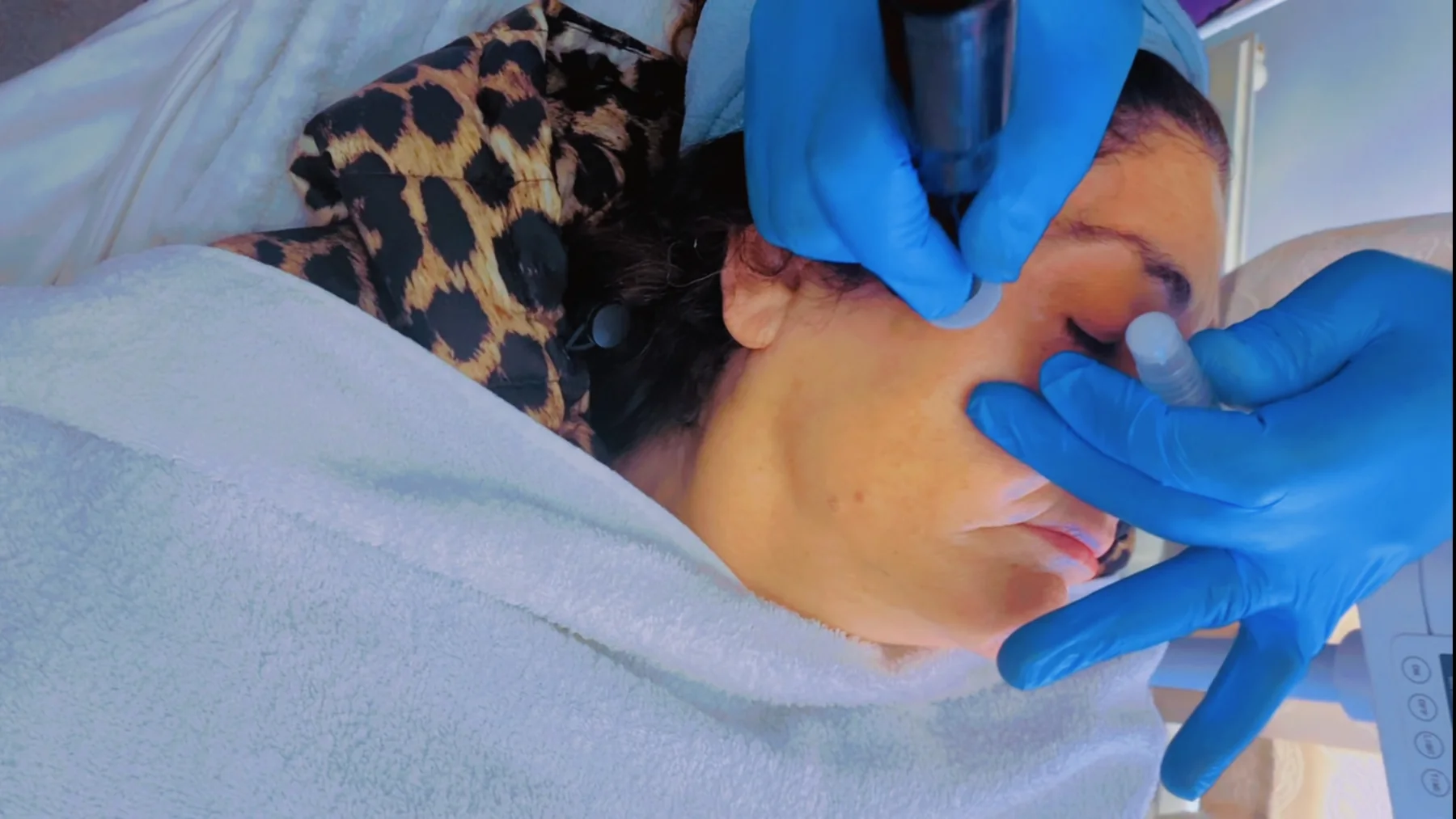
Days 4–5 Redness and dryness often reduce and the skin may feel smoother. Healing can take longer for some clients.
Consultation
Before undergoing the procedure, a comprehensive consultation with a trained professional is required. During this session, the practitioner will:
Assess your skin concerns Review lines, texture, scarring, pigmentation or stretch marks and decide whether treatment is appropriate for your skin.
Review your medical history Tell us about immune conditions, chemotherapy, diabetes, pregnancy or breastfeeding, cold sores, eczema, psoriasis and all medicines, including current or recent isotretinoin. Treatment may be deferred or medical advice requested. Do not stop prescribed medication without your prescriber’s advice.
Plan your course A course of 3–6 sessions, commonly spaced 4–6 weeks apart, may be discussed. The number and timing depend on your concern, response and suitability; results are not guaranteed.
Preparation and aftercare
Your practitioner will provide written aftercare for the treatment depth and products used. The following outlines the preparation and recovery discussed at your appointment.
Before treatment
Avoid direct sun exposure, tanning beds, or sunburns for 48 hours prior.
Skincare review Ask about pausing retinoids, strong exfoliating acids and other potentially irritating products, commonly for 5–7 days before treatment. Obtain advice before changing prescribed skincare.
Recovery care
First 6 hours Follow the clinic’s instructions about keeping skin undisturbed. Avoid washing, makeup, touching and unapproved skincare during the initial period advised for your treatment.
Days 1–3 Use water or the gentle cleanser recommended by your practitioner, and only the post-care products they approve. Do not introduce new active products while the skin is healing.
Sun protection Avoid direct sun for 7–10 days. Use broad-spectrum SPF 30 or higher once your practitioner advises that it can be applied to the treated skin.
Activities to Avoid (For 48–72 Hours) Do not participate in strenuous exercise, heavy sweating, gyms, saunas, hot tubs, or hot showers, as sweat and heat can induce secondary inflammation and track bacteria into healing skin.
Skincare restrictions Avoid retinol, exfoliating acids, abrasive scrubs and other irritating actives for 5–7 days, or longer if advised. Restart prescribed products only with appropriate guidance.
Other treatments Discuss timing before booking injectables, waxing, peels or microdermabrasion; an interval of at least 2 weeks may be advised.
Who it may suit
Microchanneling may be considered across different skin tones, but suitability must be assessed individually. Redness, infection, scarring and pigment changes are possible; a personal treatment plan and careful aftercare are essential.
Concerns to discuss
Fine lines, wrinkles, and loose or sagging skin
Atrophic acne scars, surgical scars, or stretch marks
Hyperpigmentation, sun damage, and uneven skin tone
Enlarged pores and rough texture
Scalp concerns If you are seeking support for hair thinning, ask for an assessment and a suitable treatment plan. Hair regrowth is not guaranteed.
Tell us whether your priority is skin texture, scarring, age-related changes or a scalp concern. We will discuss suitability and realistic expectations before treatment.