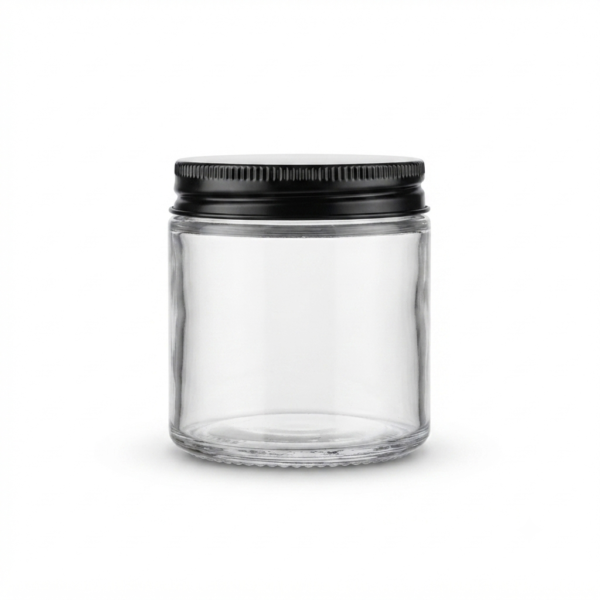
Honey can become sticky around the rim during filling, so the filling line should keep the sealing surface clean before caps are applied. A compatible twist-off or lug closure can help establish a reliable seal when correctly matched to the jar finish and filling process.
Glass is breakable and heavier than many plastic alternatives. For distribution, use suitable dividers, protective cartons, and pallet arrangements to reduce jar-to-jar contact and movement. Validate packaging against the expected shipping route and handling conditions before scaling production.
Size Options That Match Serving Patterns
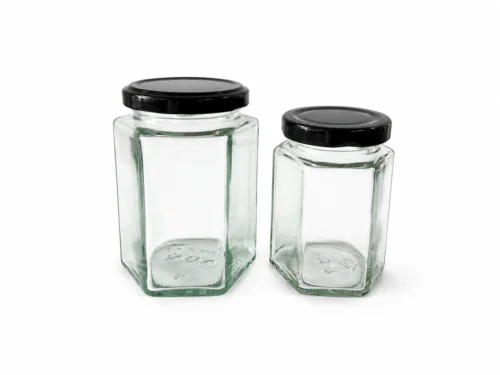
Glass honey jars are available in small sample and favour formats, everyday retail capacities, and larger jars for household or bulk use. Common market options include 1 oz, 2 oz, 4 oz, 8 oz, 12 oz, 16 oz, 24 oz, and 32 oz, with availability varying by jar shape and supplier. Metric formats may include approximately 30 ml, 60 ml, 120 ml, 240 ml, 355 ml, 475 ml, 710 ml, and 950 ml.
Capacity labels require careful interpretation because honey is commonly sold by net weight, while jar specifications may state volume or brimful capacity. Confirm the required honey fill weight, headspace, and jar dimensions with the packaging supplier before approving a format.
Neck finish and closure dimensions must match the selected jar. For glass honey jars wholesale orders, confirm whether lids are included, the closure liner specification, case quantities, label-panel dimensions, and carton configuration before placing a production order.
Materials You Can Rely On
- Food-contact glass: Glass intended for direct honey contact, subject to the supplier’s food-contact documentation and suitability for the intended filling and storage conditions.
- Soda-lime glass: A commonly used glass material for food jars, offering a rigid container wall and compatibility with a range of established jar formats.
- Metal twist-off or lug closures: Matched to the jar’s neck finish to support sealing. Liner selection and process validation depend on the filling and storage requirements.
- Closure liners and seals: Selected to suit the jar finish and product requirements, helping support closure performance and tamper-evidence systems where specified.
- Paper labels and approved printing systems: Provide space for branding, product details, and required labelling information. Adhesive and print suitability should be checked for handling, condensation, and storage conditions.
Customisation Options that Stand Out
- Logo printing: Glass honey jars printed with brand marks or product information, subject to the selected jar’s geometry and the decoration method available.
- Label application: Custom front, back, or wraparound labels for brand identity, ingredients, net weight, batch details, and other applicable information.
- Jar shape and capacity: Round, hexagonal, square, and other available formats can help organise product tiers. Custom moulds may require higher minimum quantities and additional tooling costs.
- Closure selection: Compatible metal caps and other available closure options, specified according to the jar finish and sealing needs.
- Print layout and coverage: Artwork placement can be planned around the label panel or printable glass area, allowing space for mandatory product information and barcode placement where needed.
- Packaging configuration: Case packs, dividers, and protective shipping cartons can be specified according to jar dimensions, order volume, and distribution requirements.
Built for American Retail Conditions
Glass honey jars should be selected around the realities of filling, warehousing, shelf presentation, and delivery. Consistent dimensions help businesses plan labels, shelf layouts, case storage, and secondary packaging. For mixed product ranges, standardising compatible jar families can reduce unnecessary variation in purchasing and handling.
For online orders and wholesale distribution, protective case packing is important because glass can chip or break under impact. Confirm carton strength, divider fit, pallet stability, and handling requirements based on the route and shipment size. Stackability depends on the jar shape and carton design rather than capacity alone.
For repeat orders or multi-location retail supply, retain approved jar specifications, closure details, artwork files, and label dimensions. This documentation helps buyers check consistency between production runs and coordinate replenishment across stores or filling locations.
Why Choose PackYolo
PackYolo supports businesses sourcing branded packaging for retail and food products, with attention to product specifications, customisation requirements, and order planning. Buyers can discuss jar capacity, closure compatibility, branding methods, and protective packaging requirements before finalising a quotation.
For businesses comparing glass honey jars wholesale, the relevant factors include order quantity, jar dimensions, closure supply, decoration method, packing configuration, and delivery destination. Defining these details early helps clarify pricing and reduce specification changes during ordering.
PackYolo can help coordinate packaging requirements around your brand and operational needs. Confirm the available jar models, food-contact documentation, decoration options, minimum order quantities, and lead times for your chosen specification before production approval.
Start Your Glass Honey Jars Order
To request a quote, provide your preferred capacity, estimated quantity, jar shape, closure requirements, and intended use. Include artwork or logo files if you need glass honey jars with logo printing or labelled packaging.
If you have an existing jar, share its dimensions, neck-finish details, and closure specifications where available. For new formats, identify the required honey net weight and filling process so the proposed jar capacity can be assessed correctly.
Contact sales@packyolo.com with your specifications and delivery destination. The quotation can then be based on the required format, customisation, order volume, and shipping configuration.
Frequently Asked Questions about Glass Honey Jars