Designed for Reliable Handling and Product Protection
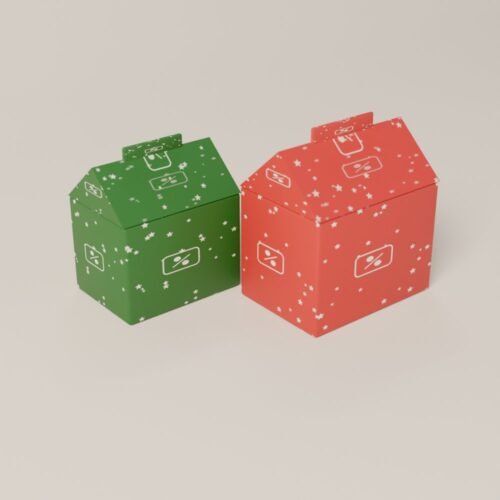
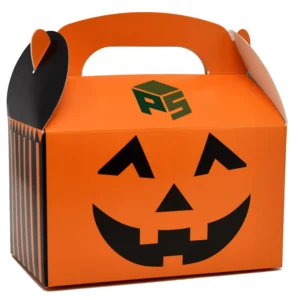
Halloween treat boxes must retain their shape during filling, storage, display and distribution. Folding cartons with properly designed creases, locking tabs and closure panels can support lightweight sweets and individually wrapped treats, while thicker paperboard or corrugated constructions may be appropriate for heavier assortments or more demanding handling conditions.
Internal dimensions should allow the contents to fit without excessive movement or pressure on the closure. Inserts and dividers can separate multiple treats, reduce contact between items and help maintain an organised presentation during packing and transport.
Moisture resistance depends on the selected board, coating and storage environment. Paperboard cartons are generally intended for dry conditions unless specifically treated and validated for other uses. Direct food contact, temperature exposure and grease or moisture barriers must be assessed separately to confirm suitability for the intended contents.
Size Options That Match Serving Patterns
Halloween treat boxes are typically specified by length, width and depth rather than fluid capacity. A compact 3 × 3 × 3-inch box can accommodate selected individually wrapped sweets or small party favours, while larger custom dimensions can support assorted confectionery, cookie packs and multi-item promotional kits. Actual capacity depends on the shape, packaging arrangement and required internal clearance.
For smaller portions, the internal dimensions should accommodate the intended number of treats without placing excessive pressure on the closure. Larger assortments may require dividers, fitted inserts or a stronger board construction to keep contents organised during handling and transport.
Ounces (oz) and milliliters (ml) are relevant when the packaged product is sold by weight or liquid volume, but they are not standard box-capacity specifications. Provide the product measurements, target quantity and packed weight to determine suitable dimensions. Where windows, handles, lids or inserts are required, their fit and structural compatibility should be confirmed against the final dieline.
Materials You Can Rely On
- SBS paperboard: Provides a smooth printable surface for folding cartons containing lightweight, individually wrapped sweets, small giveaways and retail treats. Board thickness should be selected according to box dimensions and packed weight.
- Kraft paperboard: A paper-based option for treat packaging that requires suitable folding strength and practical storage performance. Recycled content and recyclability depend on the specific board grade and any added coatings.
- Corrugated board: Provides a fluted structure for larger treat assortments or packaging exposed to more demanding handling and shipping conditions. Flute profile and board strength should be matched to the load.
- Recycled-content cardboard: Supports material-reduction and recovered-fibre objectives where suitable grades are available. The selected specification must still meet requirements for stiffness, print quality and intended use.
- Food-contact-suitable paperboard: Can be considered for applications where treats may contact the packaging directly, subject to verification of the board, inks, adhesives, coatings and applicable food-contact requirements.
- Protective inserts and liners: Paperboard dividers, fitted trays and suitable barrier liners can help separate products, control movement or address specific moisture and grease concerns. Each component should be evaluated for compatibility with the contents.
Customisation Options that Stand Out
- Custom logo printing: Add company logos, product details, campaign messaging and other approved artwork to exterior panels or selected interior surfaces.
- Digital and offset printing: Select a printing process according to order volume, artwork complexity, reproduction requirements and production economics.
- Surface finishes: Specify suitable coatings or laminations to improve surface handling and scuff resistance. The finish should be evaluated for its effect on recyclability and the intended disposal route.
- Custom sizing and die-cutting: Adjust length, width, depth, folding panels and locking tabs to accommodate individual treats, mixed assortments or promotional kits.
- Window and display options: Add a viewing window to selected structures when product visibility is required. Window material and attachment should be considered alongside product protection and recycling requirements.
- Handles, closures and inserts: Choose compatible tuck closures, locking bases, carry handles, dividers or fitted trays according to packing speed, product weight and distribution needs.
- Printed interior and exterior panels: Coordinate branding across available surfaces while reserving adequate space for required product information, ingredient declarations or other applicable labelling.
Built for American Retail Conditions
Halloween treat boxes must support concentrated seasonal demand, efficient packing and distribution through retail stores, bakeries, event venues and fulfilment operations. Boxes supplied flat, where the structure permits, can reduce storage requirements before assembly and help businesses manage inventory before seasonal campaigns begin.
For shelf displays and bulk distribution, box dimensions and closure design should support orderly placement and routine handling. Stackability depends on the carton structure, board grade, packed weight and stacking arrangement; testing may be necessary when multiple filled boxes are stored or shipped together.
Businesses ordering Halloween treat boxes wholesale should establish approved specifications before production, including the dimensions, material, print layout and assembly method. Consistent specifications support repeat orders across stores, franchises and event locations, while advance confirmation of production and shipping schedules helps coordinate seasonal inventory planning.
Why Choose PackYolo
PackYolo helps businesses specify Halloween treat packaging according to product requirements, order quantities and distribution needs. The sourcing process can account for material selection, custom printing, structural design and optional inserts without treating every application as the same packaging requirement.
For wholesale and bulk orders, clear specifications help purchasing teams compare suitable constructions, plan replenishment and maintain consistency across seasonal campaigns. Businesses can also evaluate paper-based materials and recycled-content options against durability requirements, product-contact considerations and available recycling infrastructure.
From branded party favours to retail confectionery packaging, PackYolo provides a quotation-led approach to custom Halloween treat boxes, helping businesses define the packaging requirements before moving into production.
Start Your Halloween Treat Box Order
To request a quotation, provide your preferred box dimensions, estimated order quantity, product type and intended use. Include the packed weight, required material, closure style and any insert, divider or window requirements that may affect the finished structure.
Send your logo and print-ready artwork to sales@packyolo.com. If the artwork is not finalised, provide the available design files and branding specifications so the proposed print layout can be assessed.
PackYolo can review the requested dimensions, construction, printing and delivery destination to prepare a quotation based on your requirements. Confirm production lead time and shipping arrangements before scheduling your Halloween inventory.
Frequently Asked Questions about Halloween Treat Boxes