Board Weight and When to Go Heavier
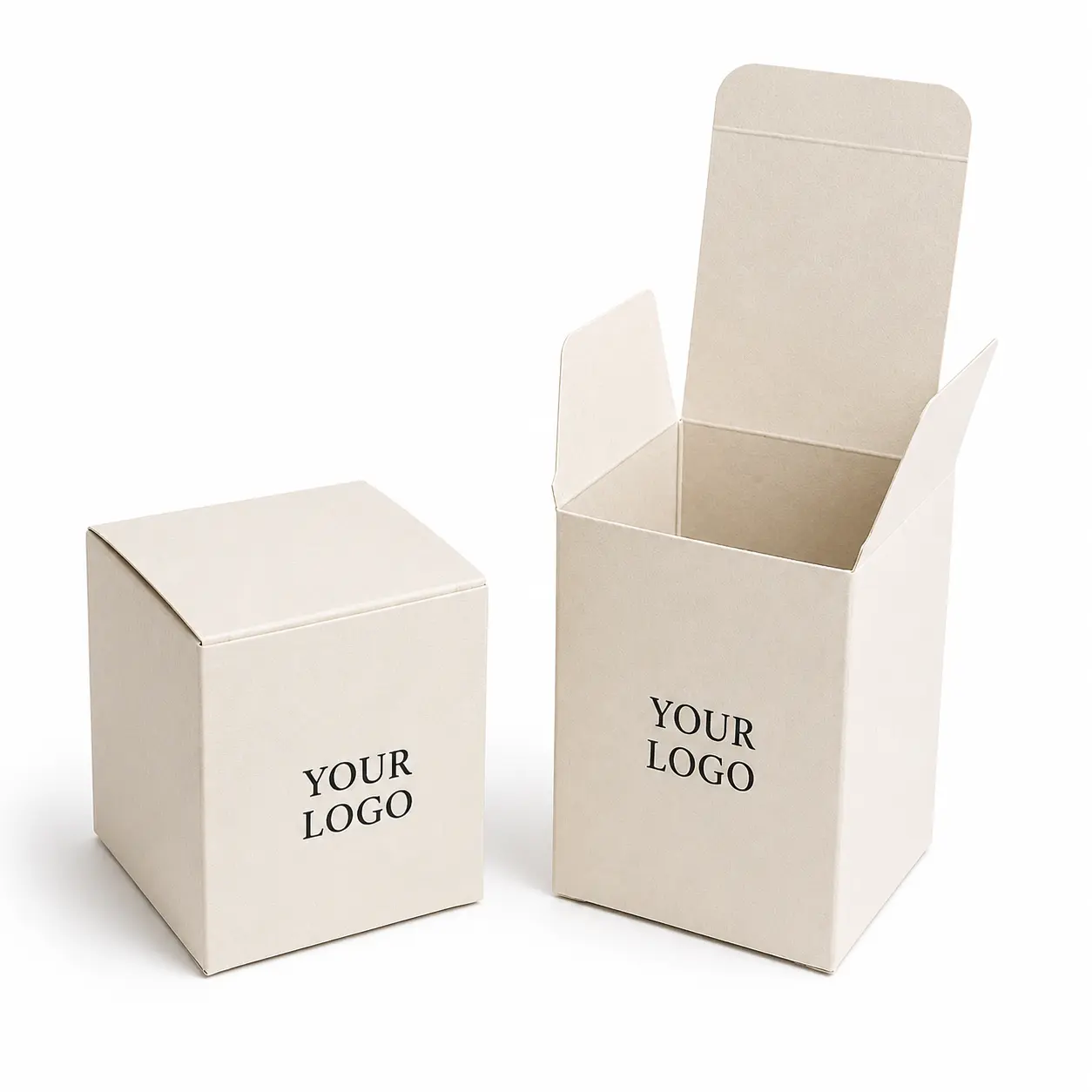
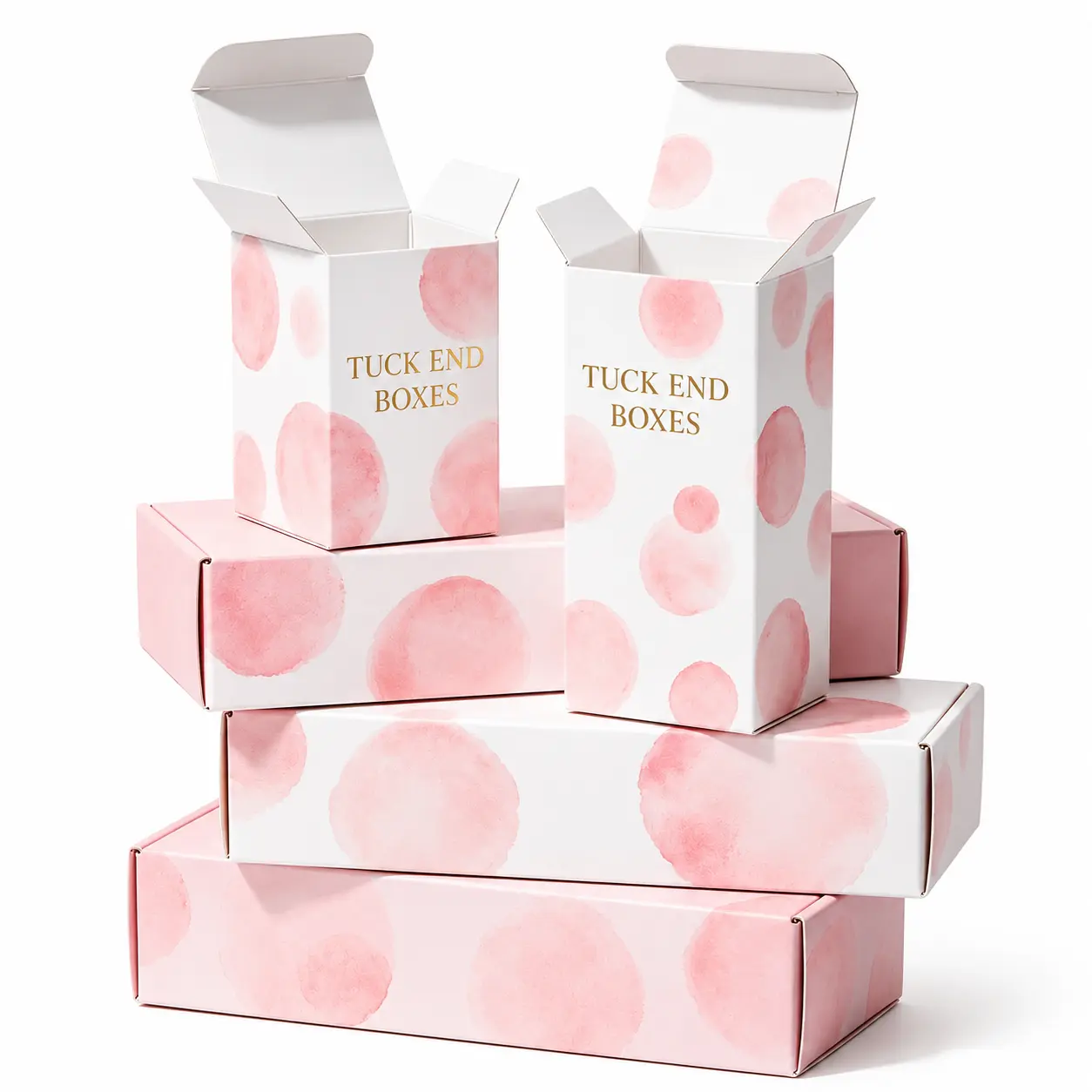
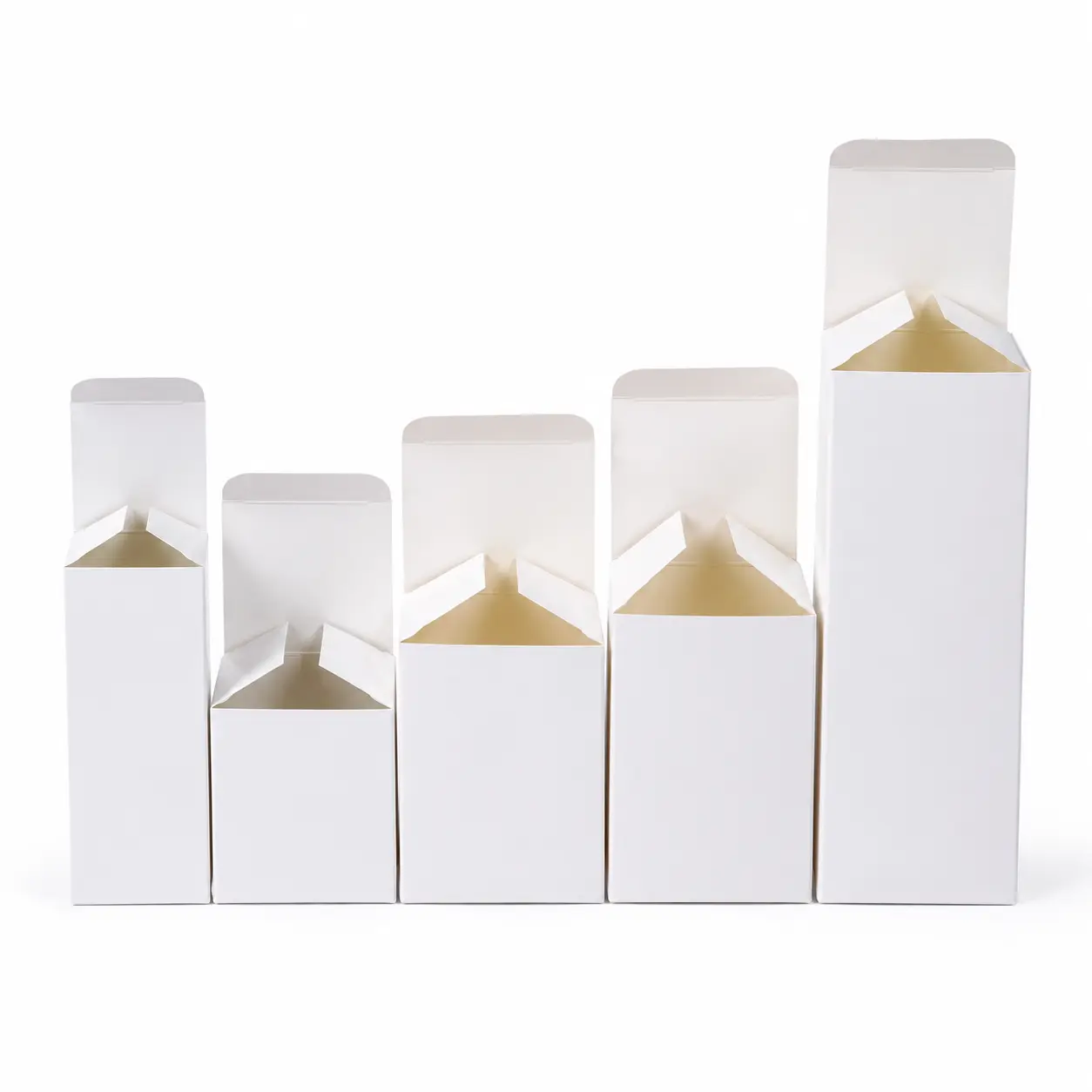
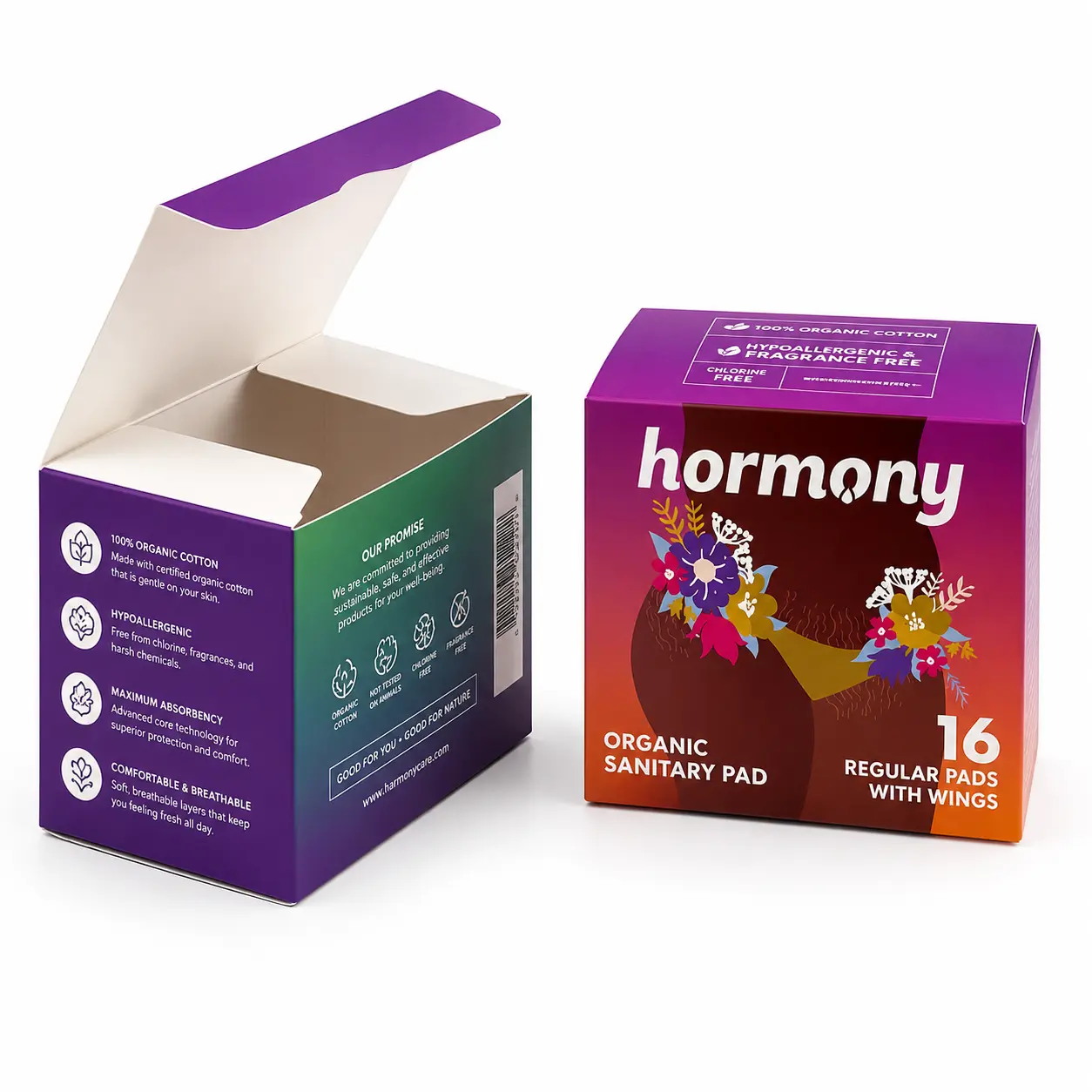
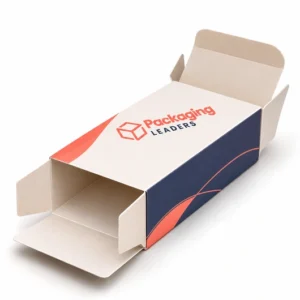
Most tuck end cartons are made from SBS paperboard, which is white all the way through and takes print really well. Kraft board is the other common pick when you want a brown, natural look. Thickness is where people trip up. A light lip balm is fine in thinner board, but a glass jar of face cream or a candle wants something stiffer, or the panels bow and the top flap starts popping open on its own. Annoying. And it looks cheap.
If your product is heavy enough that the bottom flap might give way, an auto lock bottom box is worth a look. The base locks into place as you open the carton, then you tuck only the top. For anything that has to survive a courier on its own, our article on cardstock versus corrugated explains when a folding carton is enough and when it isn’t.
Printing, Inserts and the Little Extras
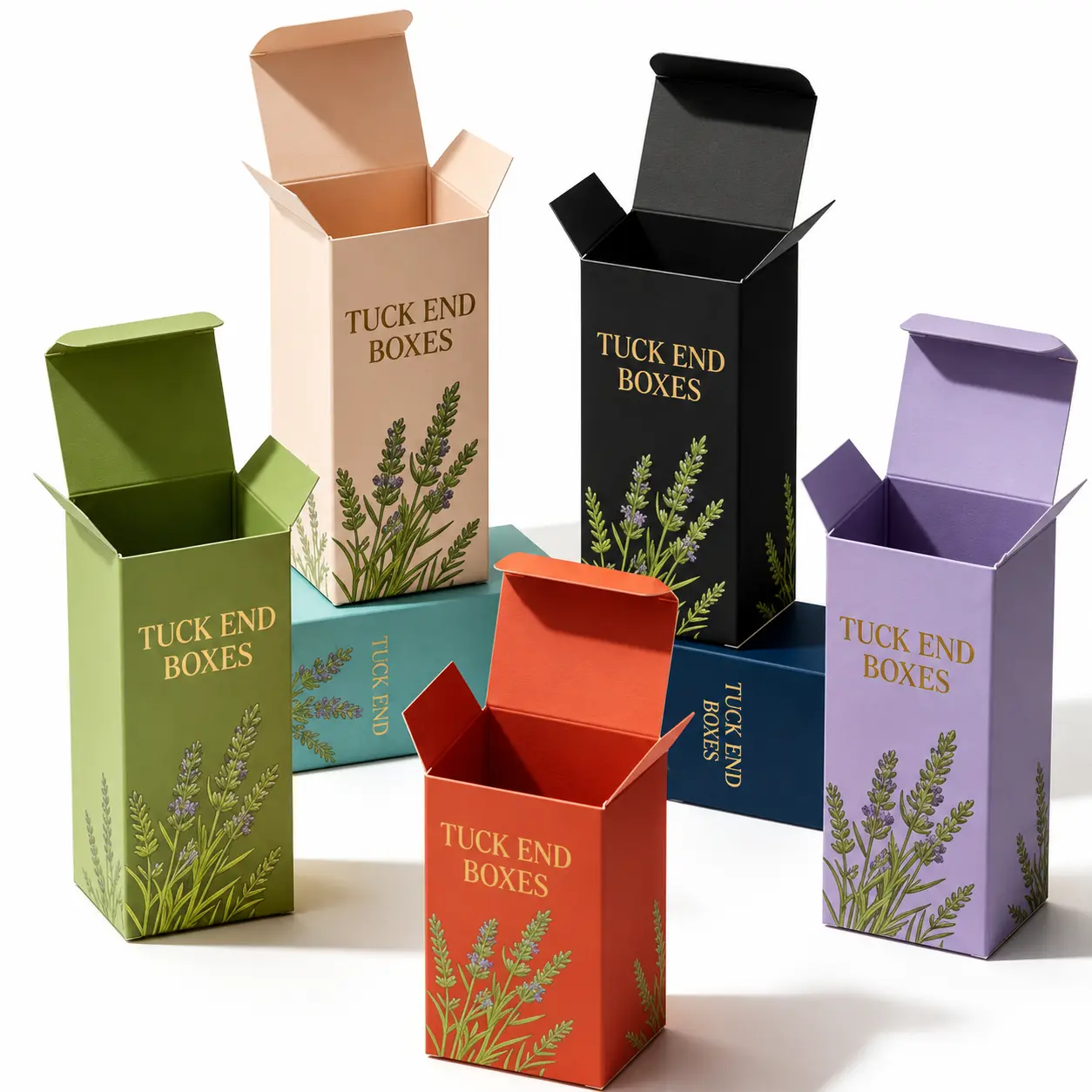
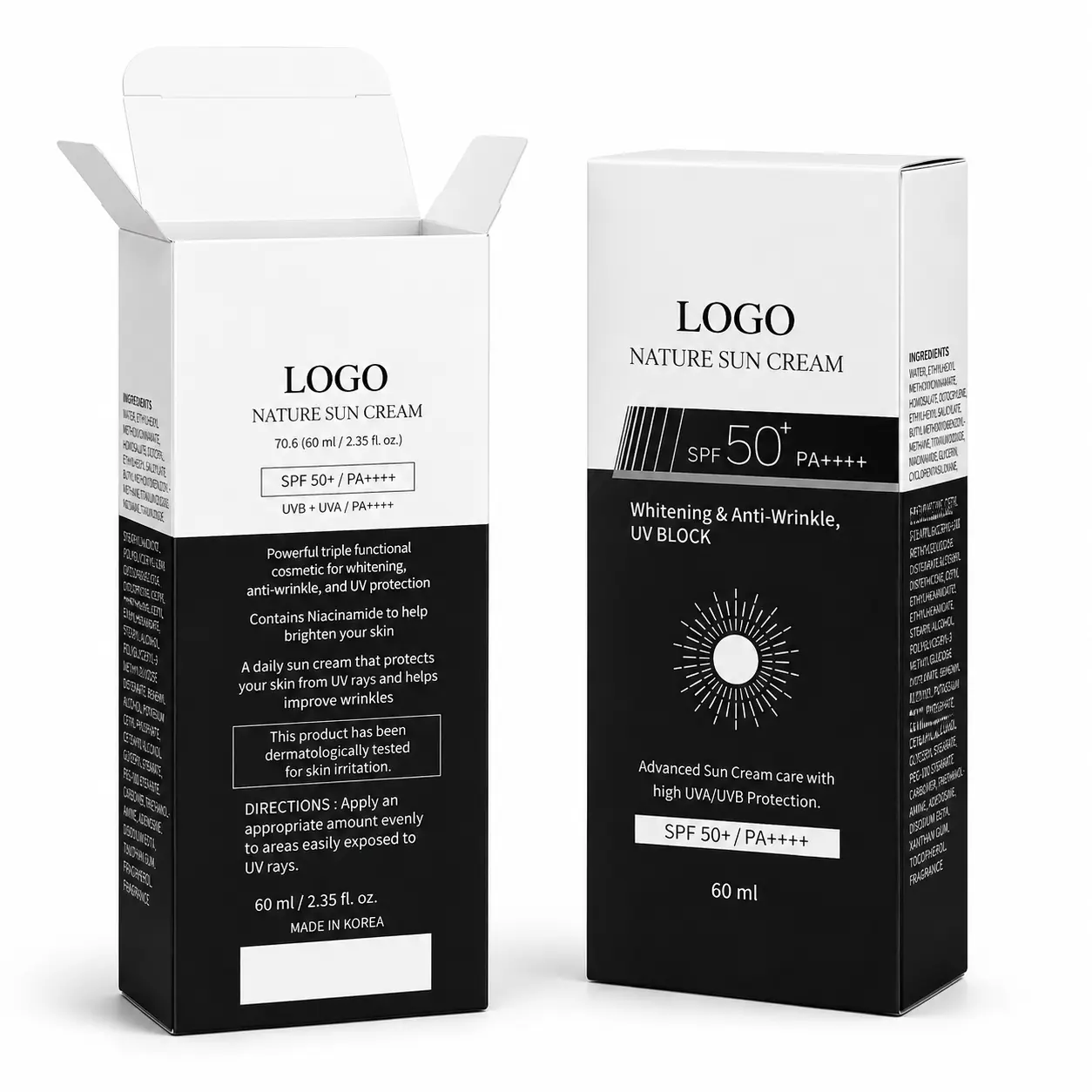
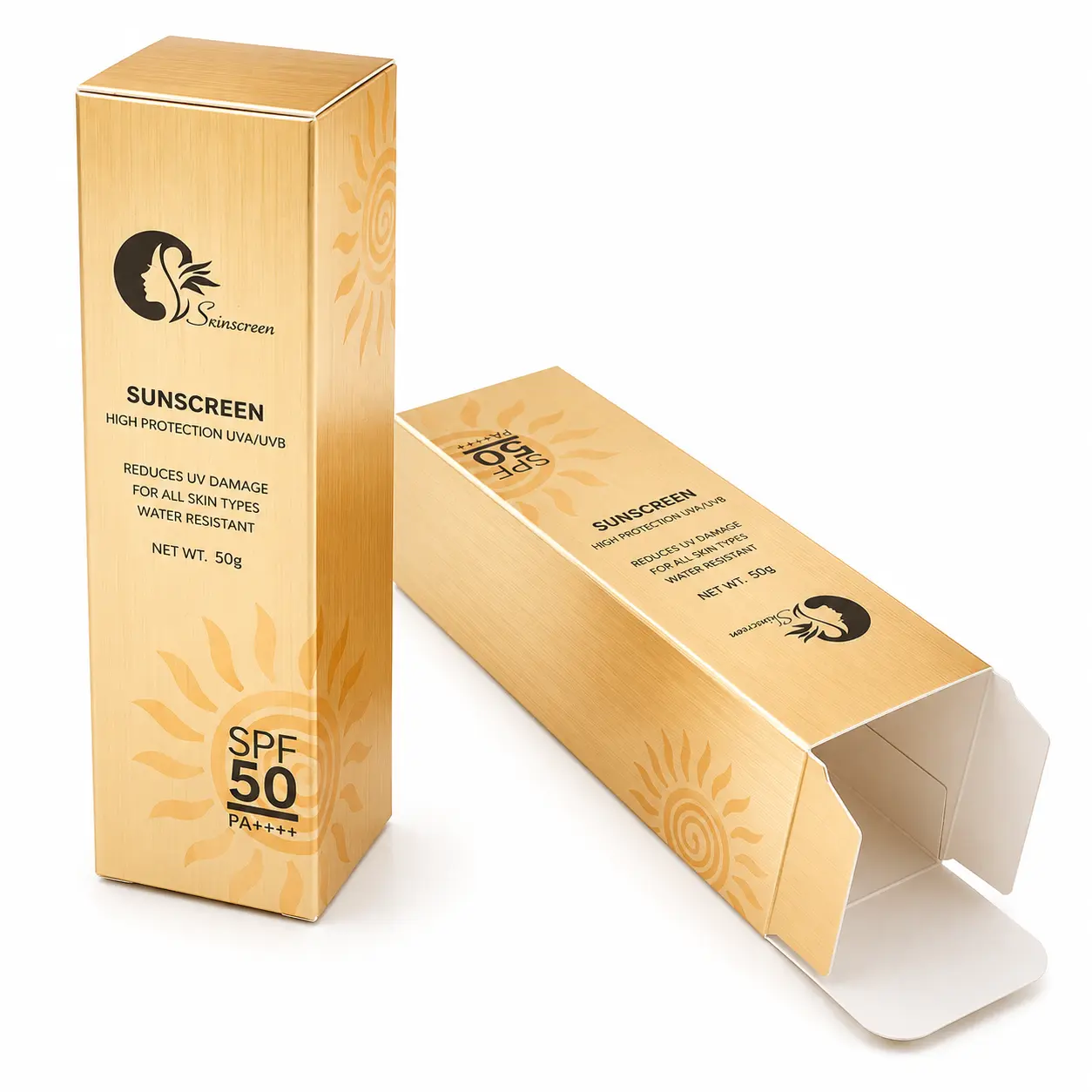
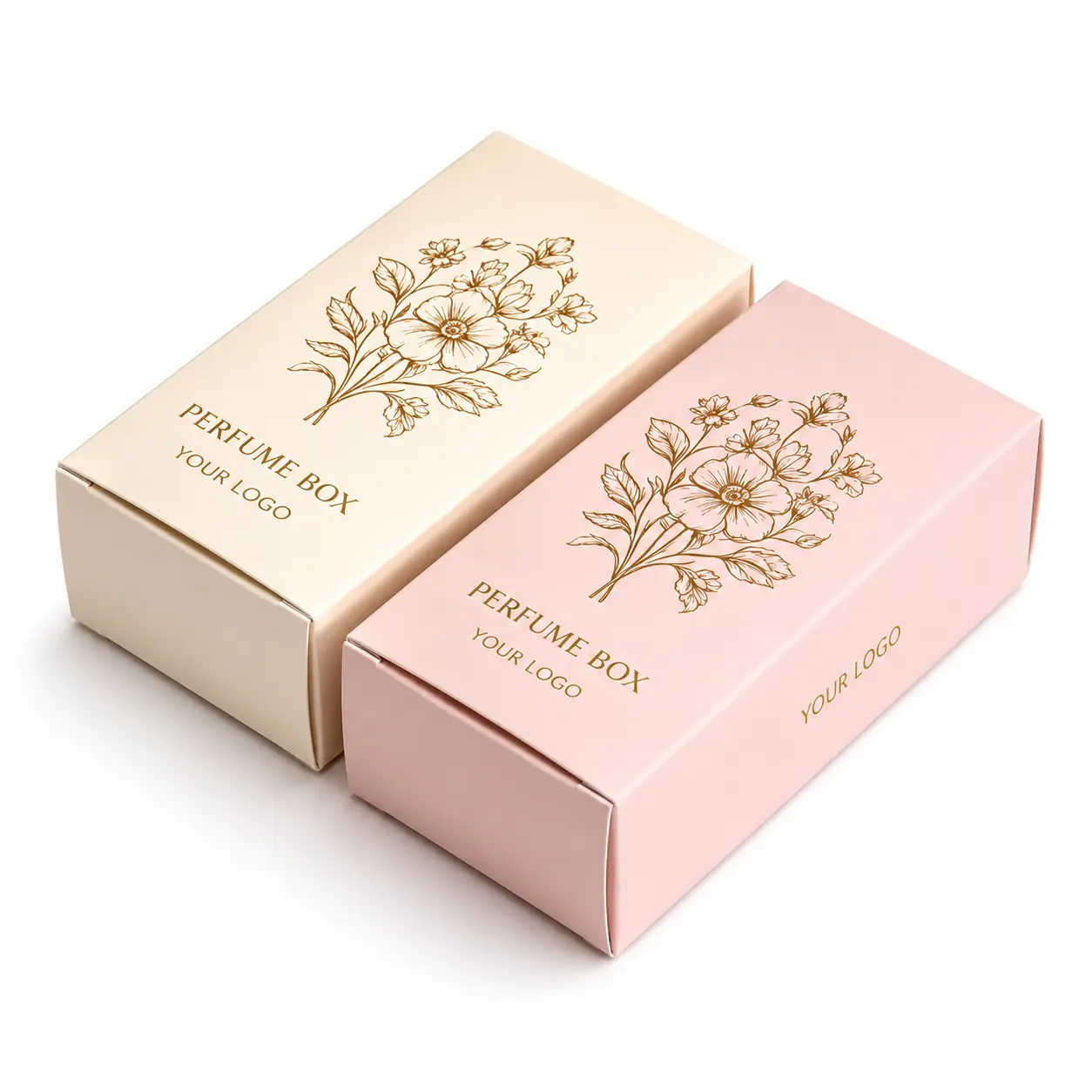
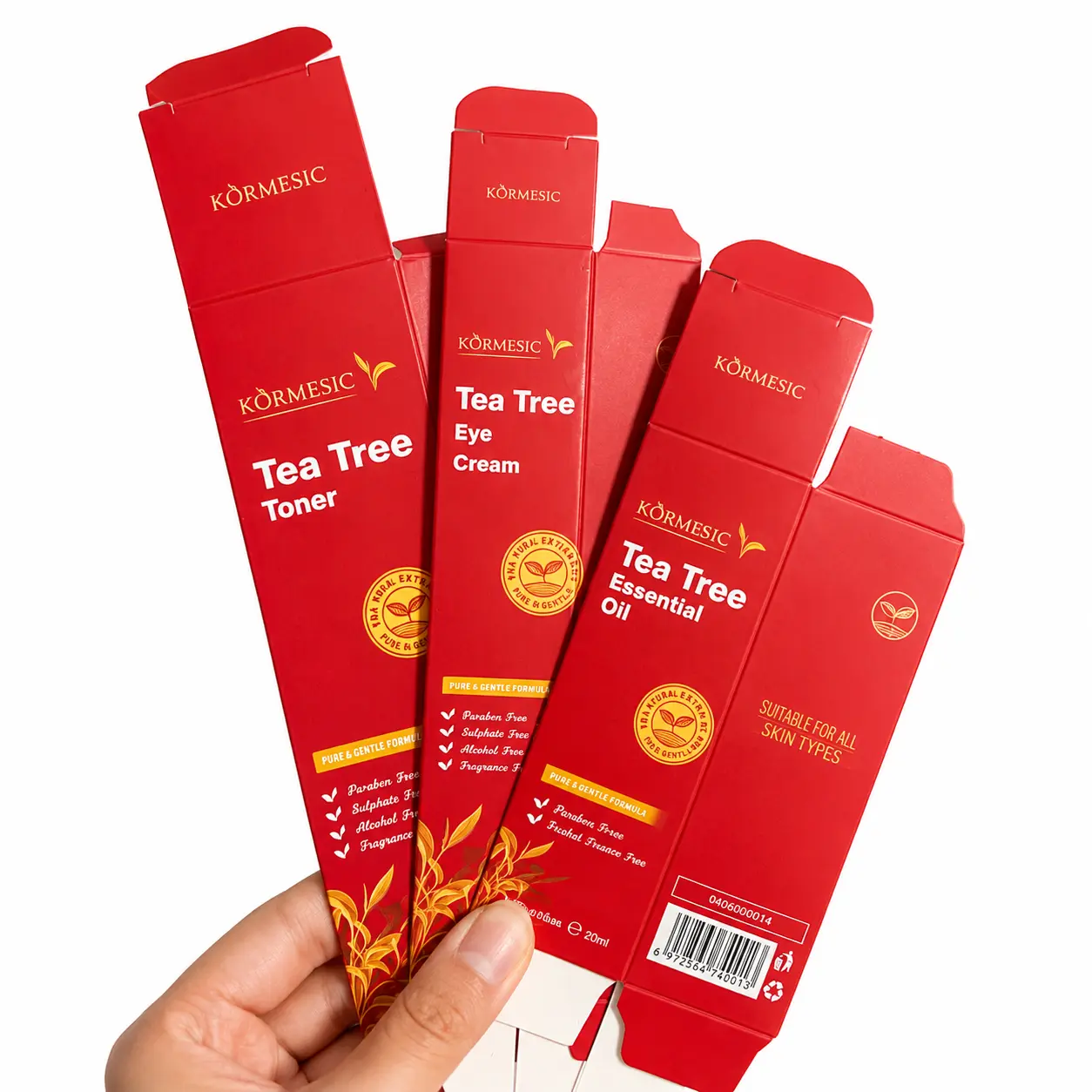
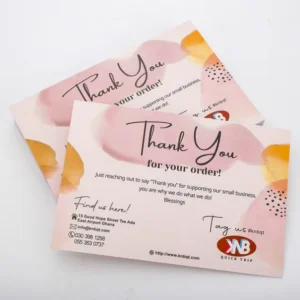
Every panel takes print, so use them. Sides for ingredients or specs, back for directions, and a little thank you on the inside flap that people spot when they open it (customers mention that one a lot, oddly). Lamination can be matte, gloss or soft-touch, and for the logo there’s spot UV, gold or silver foil, or an emboss.
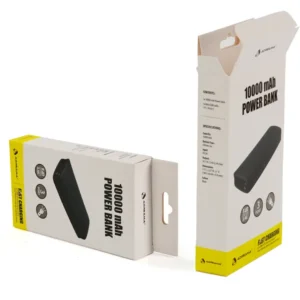
Bottles wobble? Add a paperboard insert. Selling off a peg hook, we’ll put a hang tab on top, and a window cutout if you want the product peeking through. If you want to compare other cartons, the box styles collection lays them out, and a sleeve box is a nice upgrade if you want a slide out feel.
Design help is free: our team sets up the dieline around your product size, places your artwork and checks the file for print issues. Minimums are often around 50 boxes depending on the style, there’s a digital proof before printing, and standard production is 10 to 12 business days after approval. Send your dimensions and we’ll quote it.
Custom Tuck End Boxes FAQs
What is the difference between reverse tuck end and straight tuck end?
On a reverse tuck end box the top and bottom flaps close in opposite directions, and it usually costs less. On a straight tuck end box both close from the back panel, which keeps the front clean for windows. Our reverse vs straight tuck end guide explains when to use each.
How should I measure for a tuck end box?
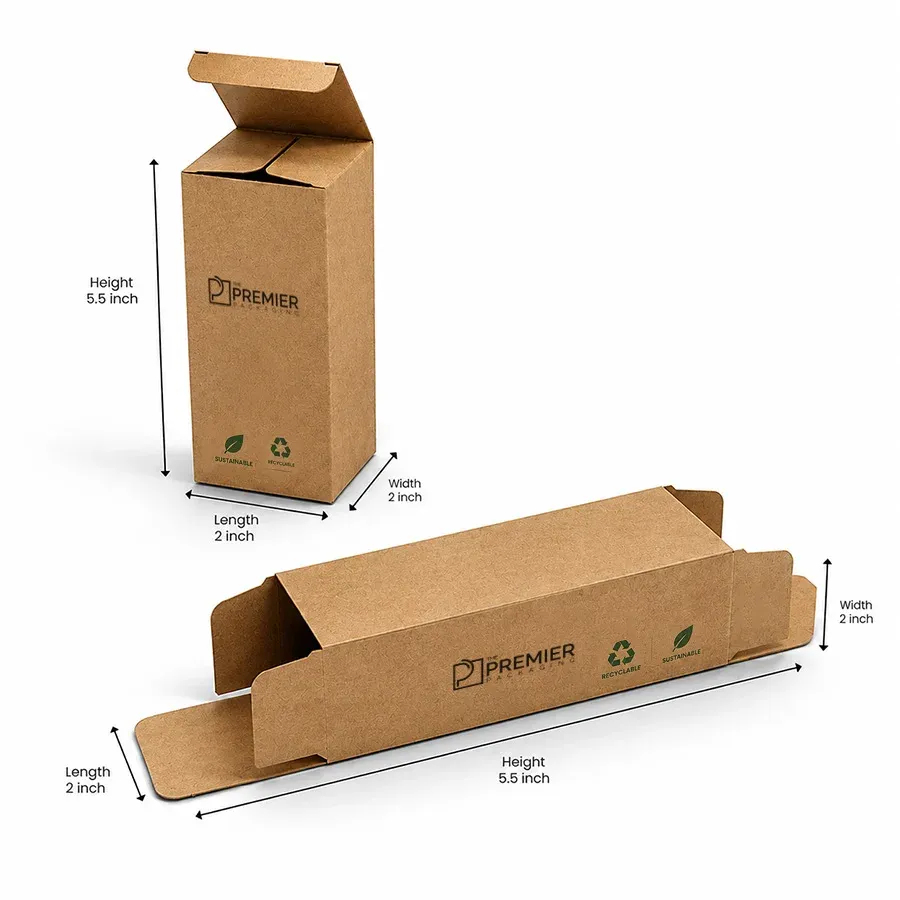
Length, width and height at the widest bits, then a few millimetres extra so it slides in without a fight. Using an insert? Tell us, since then we size around the insert, not the product.
Is a tuck end box OK for a glass bottle?
It’s fine with heavier board and, ideally, a basic insert so the bottle can’t wander. Mailing it by itself, though, we’d put it in a corrugated mailer.
Straight or reverse tuck for a shelf display?
Straight tuck usually, because the front panel has no flap edge at all. Reverse tuck makes more sense when you’re printing large quantities and want to keep the price down.
Related Packaging
Brands ordering these often look at custom thumb cut boxes, custom twist top boxes, custom star shaped boxes and five panel hanger boxes as well. You can see the full range in by style.