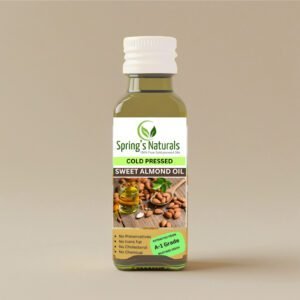
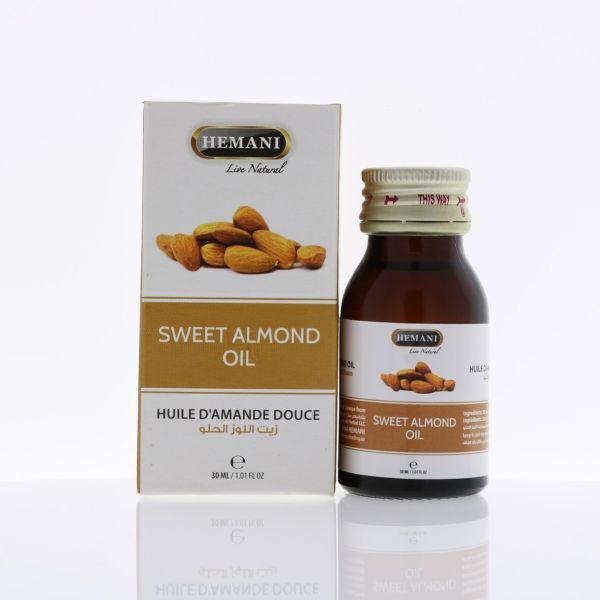
In finished products, Almond Oil delivers a smooth, lightweight-to-medium skin feel with good absorption and minimal greasiness. At lower usage levels, it enhances emolliency and skin comfort, while higher levels provide richer conditioning and nourishment. It is commonly used in lotions, creams, body oils, facial oils, serums, massage products, baby care formulations, and hair care products where mildness and versatility are desired.
From a clean standards and safety perspective, Almond Oil has a long history of cosmetic use and broad acceptance across global regulatory frameworks. It is biodegradable and generally well tolerated for topical applications. Clean positioning is supported by its plant-derived origin and minimal processing, though allergen considerations may be relevant for sensitive individuals. Its consistent performance supports inclusion in ingredient offerings carefully selected by Suncoast PCP for dependable cosmetic formulation performance.
Suncoast PCP carefully selects Almond Oil based on quality, consistency, and formulation versatility, ensuring reliable performance across a wide range of skincare and haircare applications while aligning with clean and modern formulation standards.
Ingredient Identification
INCI Name Prunus Amygdalus Dulcis (Sweet Almond) Oil
CAS Number 8007-69-0
Physical & Technical Properties
Appearance Clear to pale yellow liquid
Odor Mild, characteristic
Melting Point Liquid at room temperature
Solubility Insoluble in water; soluble in oils and oil phases
Viscosity Low to medium
Functional Role Emollient, conditioning oil, sensory modifier
Typical Usage Levels (Skincare & Haircare)
Facial Oils and Serums 5–100%
Lotions and Creams 2–15%
Body Oils and Massage Products 5–25%
Baby Care Products 1–10%
Hair Care Products 1–10%
Actual usage levels vary depending on desired sensory profile, richness, and formulation design.
DIY Education and Formulation Guidance
For DIY formulators, Almond Oil is easy to work with and suitable for both emulsified and anhydrous formulations. It is typically added to the oil phase and can tolerate moderate heat during emulsification. Its mild nature makes it a popular choice for beginner formulations and products designed for sensitive skin types.
Including antioxidants such as tocopherols is recommended to support oxidative stability, particularly in formulations intended for extended shelf life.
Formulation Compatibility & Common Combinations
Almond Oil is compatible with a wide range of vegetable oils, butters, waxes, emulsifiers, surfactant systems, and botanical extracts. It is often blended with lighter oils such as sunflower or grape seed oil to improve absorption, or paired with richer oils and butters to enhance nourishment. In haircare formulations, it works well alongside conditioning agents and silicone alternatives.
Shelf Life, Storage, and Packaging
Shelf Life Typically 12–24 months depending on refinement and antioxidant system
Storage Conditions Store in a cool, dry environment away from direct light and heat
Packaging Recommendations Amber glass bottles, aluminum containers, or opaque HDPE packaging
Handling Notes Minimize prolonged air exposure to reduce oxidation
Regulatory & Safety Notes
Regulatory Status Approved for cosmetic use globally, including the United States and European Union
California Proposition 65 Not listed
EWG Context Generally categorized as low hazard based on available data
Irritation and Sensitization Generally well tolerated for topical cosmetic use; nut allergen awareness may be appropriate
Clean Beauty Compatibility Plant-derived, biodegradable, and compatible with clean, natural-leaning, and transparency-focused formulation standards