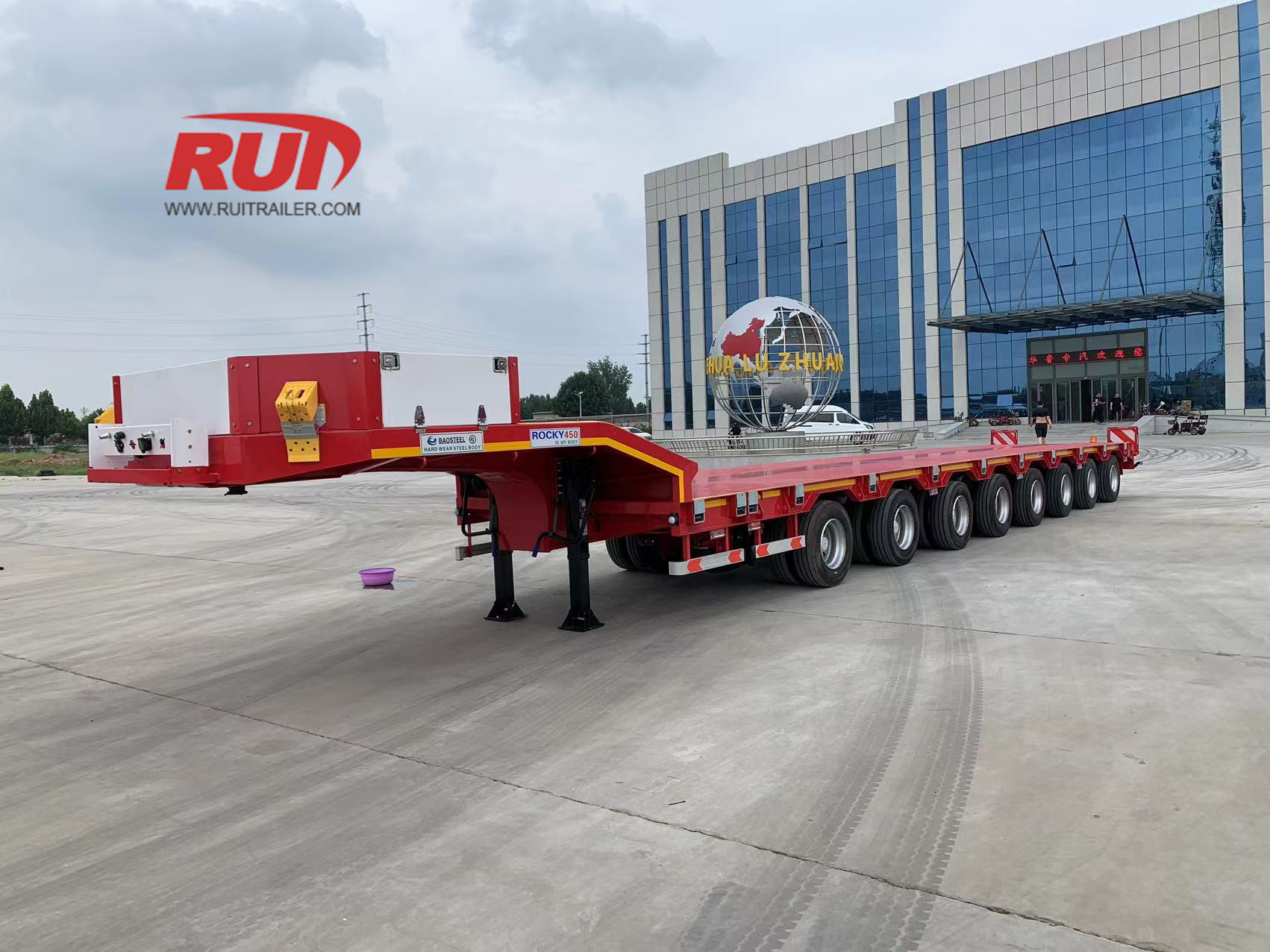
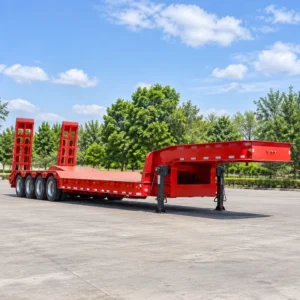
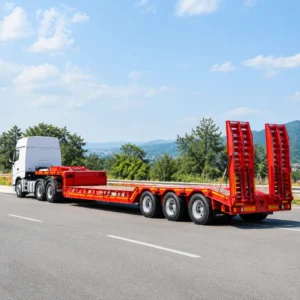
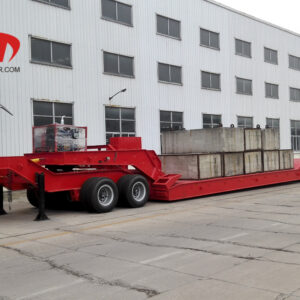
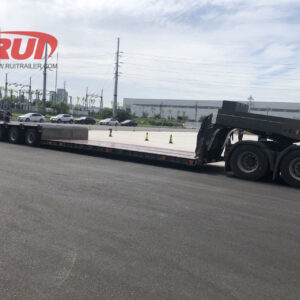
- Superior Stability The lowered deck height keeps the center of gravity close to the ground, minimizing swaying and tilting during high-speed transit.
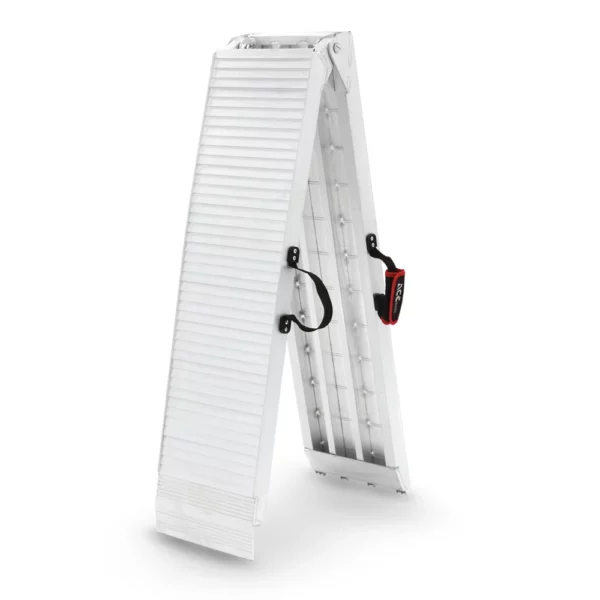
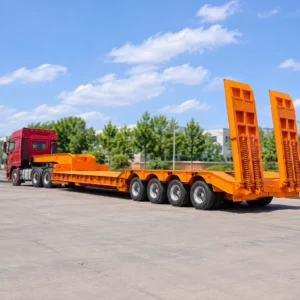
- Enhanced Loading Efficiency Equipped with either a mechanical ramp or a hydraulic ramp, allowing for the rapid loading of construction equipment and crawlers.
- Structural Durability Reinforced chassis designs ensure the trailer resists deformation under extreme stress and heavy-duty cycles.
- High Payload Capacity Optimized for excavator transport and other heavy-duty machinery, supporting massive weight without compromising road safety.
Standard Dimensions and Loading Capacities
Understanding the technical boundaries of a semi trailer is critical for ensuring compliance and safety in industrial transport.
Whether managing a standard freight vehicle operation or a special project transport, these dimensions provide the versatility needed to navigate diverse terrains and bridge weight restrictions effectively.
Common Types of Low Bed Semi-Trailers
Choosing the right low bed trailer depends entirely on the cargo’s shape, weight, and your specific route. We provide several configurations to ensure your heavy haulage operations stay efficient and safe, no matter how complex the load.
Detachable Gooseneck (Front Loading) Trailers
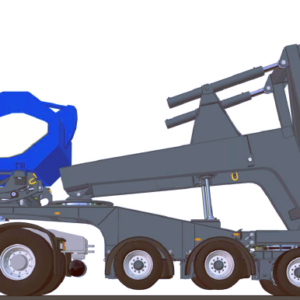
Commonly known as RGNs, these are the gold standard for excavator transport and heavy machinery. By detaching the goose neck, the front of the trailer lowers to the ground, serving as its own loading ramp.
- Front Loading Eliminates the need for steep rear ramps, making it safer for low-clearance equipment.
- Low Deck Height Provides the lowest possible working platform to stay under height restrictions.
- High Strength Steel The chassis is reinforced to handle concentrated weight without bowing.
Extendable and Telescopic Low Bed Trailers
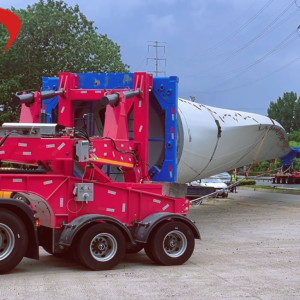
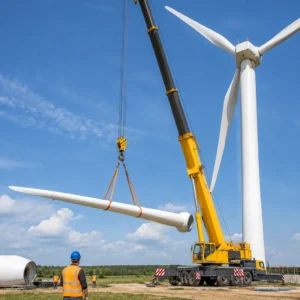
When your over sized loads are too long for a standard semi trailer, our telescopic models provide the necessary flexibility. These are vital for logistics involving wind turbine blades or long bridge beams.
- Adjustable Length The central beam extends to accommodate various lengths while maintaining structural integrity.
- Dual-Purpose When retracted, it functions as a standard semi lowbed, making it easier to navigate tight corners when unladen.
Modular Trailers for Over sized Cargo
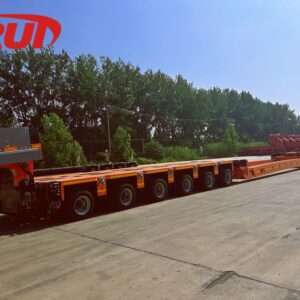
For the most extreme special project transport, like moving massive power plant components, we recommend multi-axle low bed trailers. These units are designed for maximum payload capacity.
- Weight Distribution Uses multi axles to spread the weight, preventing damage to road surfaces and meeting strict axle load regulations.
- Hydraulic Power Often equipped with hydraulic suspension to keep the load level on uneven terrain.
Trawl and Tilt Frame Sub types
These specialized low bed semi-trailers are built for specific industrial transport and recovery niches.
- Tilt Frame Uses a hydraulic ramp or a tilting bed to slide machinery onto the deck without the need for additional lifting equipment.
- Lowbed Carrier Optimized for off-road transport, featuring a rugged design that balances a low center of gravity with enough clearance for construction sites.
Axle Configurations and Weight Capacity
The number of axles on a low bed trailer directly dictates its payload capacity and how it distributes weight across the road surface. We design our axle layouts to meet strict regional transport regulations while ensuring the chassis remains stable under extreme pressure.
2-Axle and 3-Axle Lowbed Models
Our 2-axle and 3-axle models are the standard workhorses for everyday heavy haulage. These units are highly maneuverable and perfect for:
- Excavator transport and small-to-medium bulldozers.
- Urban construction sites with tighter turning radius’s.
- Maintaining a lower unladen weight for better fuel efficiency during return trips.
- Reliable performance using mechanical ramps or hydraulic ramp systems for quick loading.
4-Axle to 6-Axle Heavy-Duty Units
When your cargo exceeds standard weight limits, we step up to 4-axle through 6-axle configurations. These heavy-duty units are engineered to spread the axle load more effectively, preventing damage to road infrastructure and providing a more stable working platform. They are the preferred choice for moving medium-sized industrial equipment and oversize construction equipment that requires a balance between high capacity and highway accessibility.
Specialized Multi-Axle and 10-Axle Trailers
For the most demanding “mega” projects, we utilize multi-axle trailer configurations. These specialized setups, including 10-axle units and beyond, are built with high strength steel to handle hundreds of tons.
- Project Cargo Essential for transformer transport and massive oil and gas components.
- Weight Distribution Features independent steering and advanced suspension to manage the center of gravity on uneven off-road transport off-road transport routes.
- Customization For extreme loads, our modular trailer guide explains how these units can be combined to support virtually any oversize industrial giant.
Technical Specifications and Suspension Systems
The reliability of a low bed trailer starts with its foundation. We design our units to handle extreme stress, ensuring that the suspension and chassis can withstand the rigors of heavy haulage without compromising safety or cargo integrity.
Air Suspension vs. Mechanical Leaf Springs
Choosing the right suspension depends entirely on your typical haul. While mechanical springs are the workhorse of the industry, air suspension offers specialized protection for sensitive equipment.
Floating Suspension with 8-Wheel and 16-Wheel Layouts
For massive payloads that exceed standard limits, we utilize floating suspension systems. These layouts are critical for maintaining tire contact on uneven off-road transport paths.
- Weight Distribution 8-wheel and 16-wheel bogie setups spread the axle load evenly, preventing road damage and tire blowouts.
- Stability The pivoting action of a floating suspension keeps the working platform level, even when navigating steep inclines or debris-filled sites.
- Versatility These configurations are essential for hydraulic modular trailer specs where precision and load-bearing capacity are non-negotiable.
Braking Systems and Chassis Durability
A low bed trailer is only as good as its frame. We use high strength steel (typically Q460 or HG60) to ensure the main beam doesn’t sag under maximum payload capacity.
- Chassis Integrity Our beams are submerged-arc welded to create a single, robust structure that resists twisting during heavy turns.
- Braking Performance We equip our trailers with dual-line pneumatic braking systems and optional WABCO ABS to ensure a short stopping distance, even when hauling a 60-ton excavator.
- Reinforcement Critical stress points are reinforced with additional plates, extending the service life of the chassis in harsh environments.
Applications and Industry Use Cases
I’ve seen how a high-performance low bed trailer can be the difference between a successful project and a logistical nightmare. These trailers aren’t just for hauling; they are specialized tools designed to move the world’s heaviest and most awkward equipment where standard flatbeds simply fail.
Transporting Construction and Mining Machinery
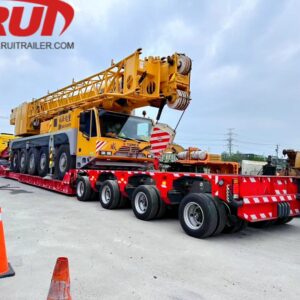
In my experience, the construction and mining sectors are the biggest users of these trailers. When you’re moving heavy machinery like 50-ton excavators or massive crawler cranes, height and stability are your two biggest concerns.
- Excavator Transport The low deck height allows tracked machines to stay under overhead clearance limits.
- Mining Gear I recommend using a removable gooseneck trailer for these jobs because you can detach the front and drive heavy machinery directly onto the deck.
- Paving Equipment Lowbed carriers provide the stability needed for wide-track pavers and rollers that have a high center of gravity.
Moving Industrial Giants and Project Equipment
Moving industrial components like turbines, generators, or large-scale transformer transport requires more than just a big deck; it requires precision. I’ve helped clients manage heavy haulage for factory relocation where weight distribution across multi axles was the only way to protect the road and the cargo.
- Power Generation Safely moving massive wind turbine nacelles and substation equipment.
- Oil & Gas Transporting drilling rig components to remote sites.
- Long Loads For over sized industrial beams or long-form equipment, I often deploy extendable lowbed trailers to ensure the cargo is fully supported without excessive overhang.
Over sized Cargo and Infrastructure Logistics
Infrastructure projects rely heavily on the payload capacity of a well-built low bed trailer. Whether it’s bridge girders for a new highway or prefabricated concrete sections for a stadium, the stability of the chassis is non-negotiable for over sized loads.
I focus on providing equipment that handles these special project transport needs with ease. By keeping the load close to the ground, we minimize wind resistance and maximize safety across any terrain.
How to Select the Right Low Bed Trailer
Selecting the right equipment is about more than just matching a weight rating; it’s about ensuring the safety of your crew and the integrity of your cargo. When I work with clients on heavy haulage setups, I focus on three pillars: stability, accessibility, and durability.
Assessing Load Weight and Center of Gravity
Before you commit to a semi trailer, you need to know the exact payload capacity required. It is not just about the total weight, but how that weight sits.
- High Strength Steel Always ensure the chassis is built from high-tensile steel to prevent sagging under concentrated loads.
- Center of Gravity For tall heavy machinery, you need a trailer that keeps the weight as close to the ground as possible to prevent tipping during cornering.
- Unladen Weight Consider the trailer’s own weight to ensure you stay within legal axle load limits for your specific region.
Comparing Loading Methods and Deck Heights
The way you load your equipment dictates your efficiency on the job site. For many operators, a folding gooseneck low loader is the gold standard because it allows for easy front-loading of sluggish or low-clearance machinery.
- Deck Height A lower deck height is critical for clearing bridges and power lines when moving over sized loads.
- Ramp Options Decide between a mechanical ramp for simplicity or a hydraulic ramp for speed and reduced physical labor.
- Working Platform Ensure the length of the platform accommodates your longest piece of equipment without excessive overhang.
Matching Trailer Type to Transport Terrain
The environment dictates the build. A trailer built for smooth highway logistics will struggle in a rugged mining environment.
- Off-Road Transport If you are moving excavator transport through construction sites, look for heavy-duty mechanical suspension and reinforced multi axles.
- Sensitive Cargo For high-value items like transformer transport, an air cushioned trailer is a better bet to absorb road vibration.
- Terrain Adaptability Check the ground clearance of the lowbed carrier to ensure it won’t bottom out on uneven haul roads.
Related Sources
https://talbertmfg.com/product/extendable-double-drop-trailers/
https://www.heavyhaulers.com/trailers/10_axle_trailer_transport.php