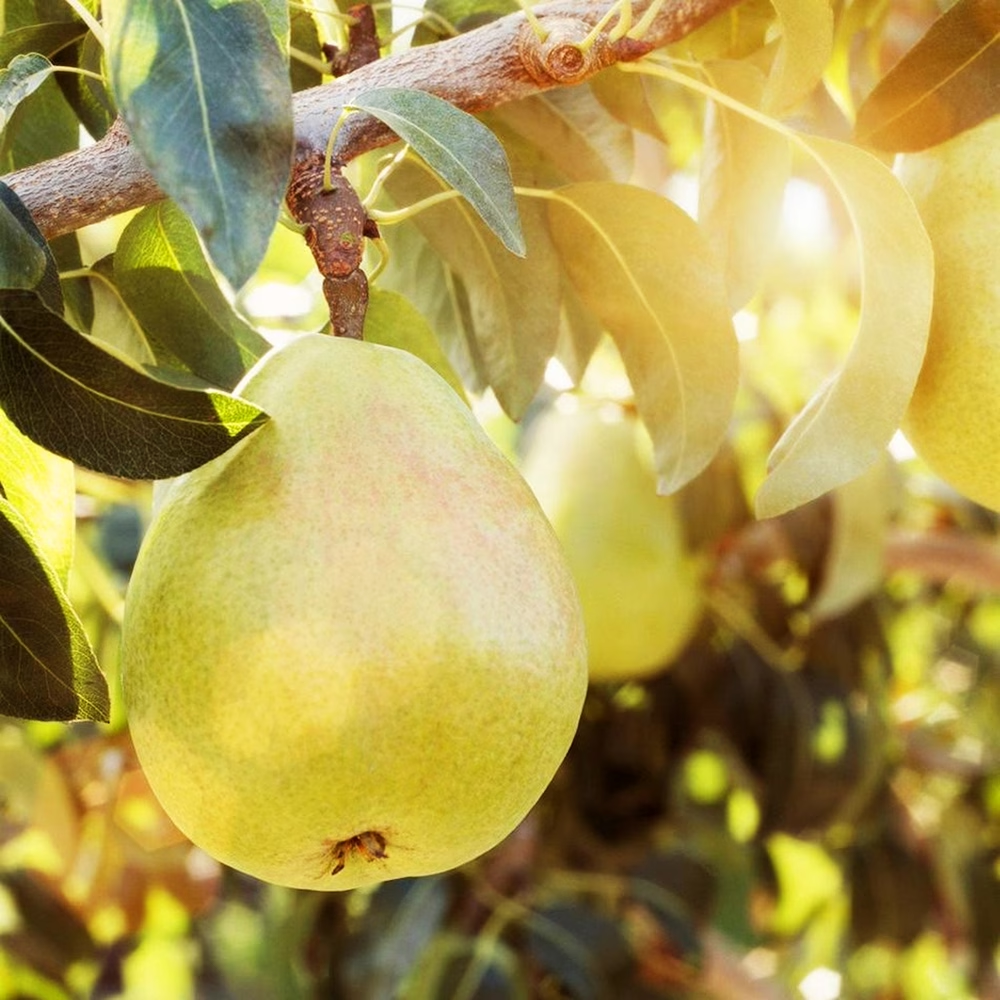
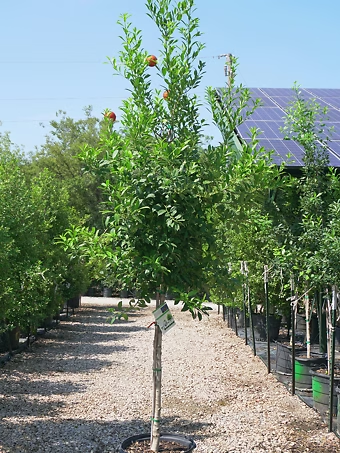
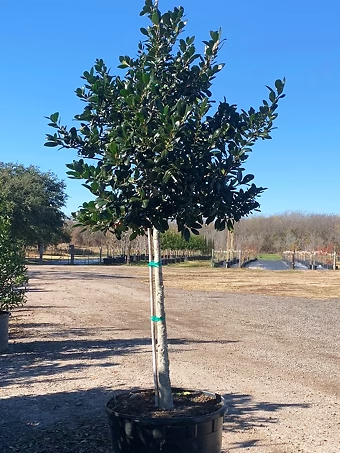
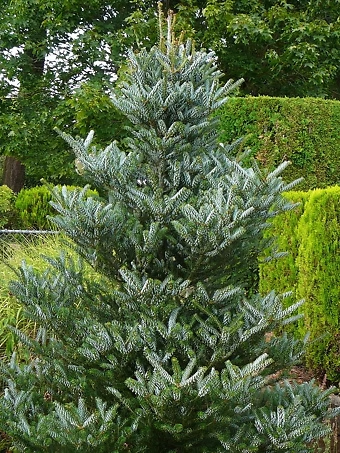
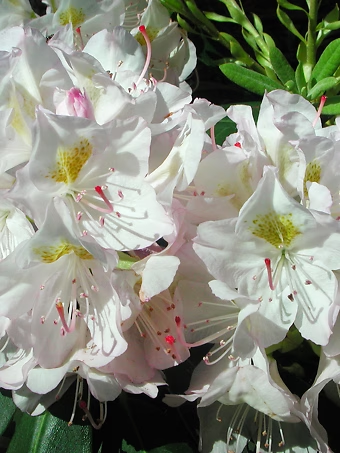
The tree itself is equally attractive, bringing ornamental value as well as dependable harvests. In spring, bare branches become covered in clusters of elegant white blossoms that brighten the landscape and attract pollinators into the garden. By late summer into early fall, heavy crops of green pears begin ripening among the foliage, often developing a faint golden cast and subtle russet speckling. Whether eaten fresh, sliced into salads, baked into desserts, poached, canned, or stored for winter use, the Anjou Pear remains one of the most versatile and rewarding fruit trees for home gardeners. Productive, cold hardy, and relatively easy to grow, it continues to earn its reputation as one of the finest pears ever introduced into cultivation.
Using the D’Anjou Pear Tree in Your Garden
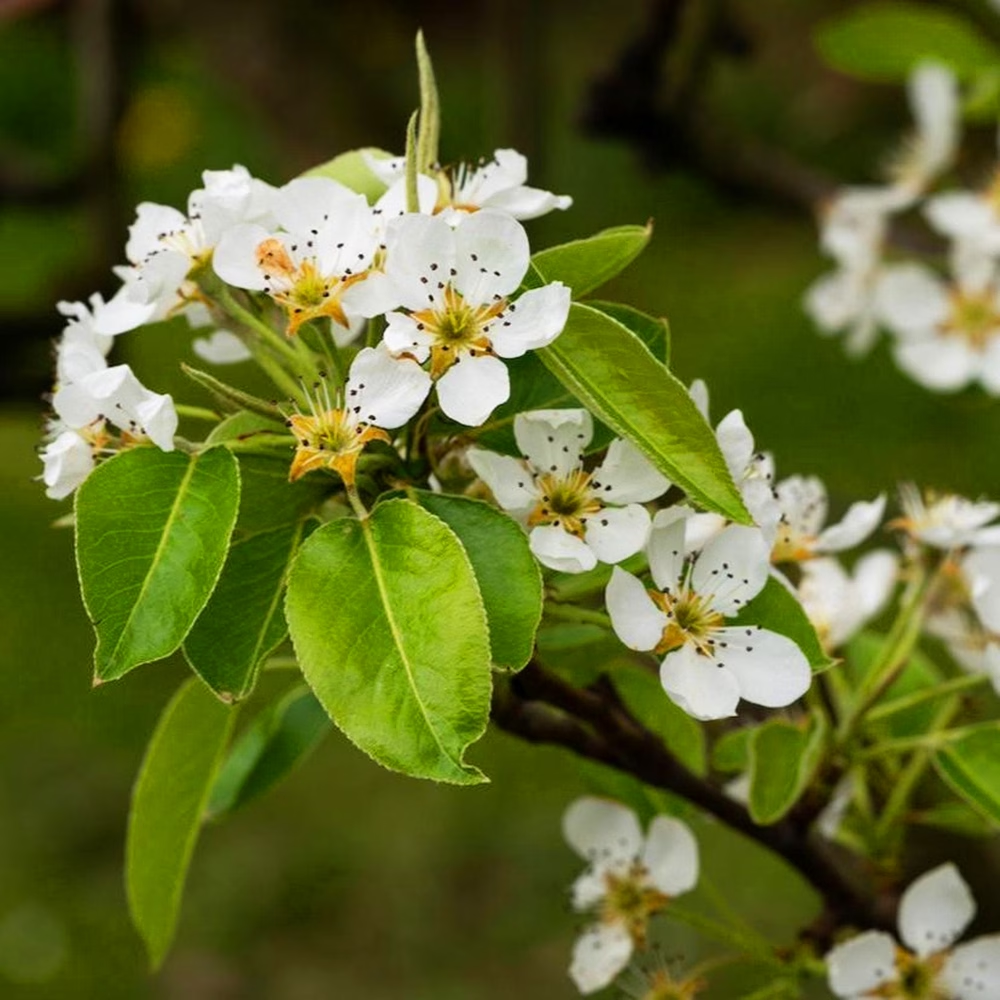
The D’Anjou Pear Tree is one of the finest choices for gardeners who want a productive fruit tree that also delivers ornamental value through multiple seasons. In spring, the tree becomes covered in elegant white blossoms that brighten the landscape and attract pollinators. Through summer, its rich green foliage forms a dense, attractive canopy, while fall brings clusters of heavy fruit ready for harvest. The smooth, classic shape of the tree makes it equally suitable for formal orchards, cottage gardens, espalier training, or as a lawn specimen tree.
Because the fruit stores exceptionally well, this variety is especially valuable for gardeners who enjoy harvesting and preserving homegrown produce. Fresh pears can be enjoyed for months after picking, making this one of the most practical pear varieties for home orchards. The mild sweetness and buttery texture make it ideal for fresh snacking, baking into tarts and crisps, slicing into salads, or poaching whole for elegant desserts. The tree pairs beautifully with other fruit trees, flowering shrubs, and traditional edible garden plantings, blending productivity with timeless landscape appeal.
Growing the D’Anjou Pear Tree
The D’Anjou Pear Tree grows best in a sunny location where it receives at least six hours of direct sunlight each day. Full sun encourages heavier flowering, stronger branching, and the sweetest fruit production. This variety prefers rich, fertile, well-drained soil with a neutral to slightly acidic pH, although it adapts well to many garden conditions when properly prepared. Incorporating compost or aged organic matter into the planting area improves soil texture, moisture retention, and long-term health.
Although partially self-fertile, planting another pear variety nearby greatly improves pollination and leads to larger crops. Bartlett Pear is one of the best pollinating partners. In colder regions such as zone 5, planting near a south- or west-facing wall helps increase warmth and improve ripening. Trees can also be trained as espaliers against walls or fences, making them practical for smaller gardens while adding an elegant architectural element to the landscape.
Size and Appearance
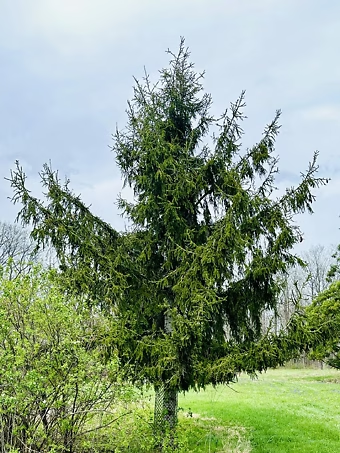
The D’Anjou Pear Tree matures at approximately 12 to 15 feet tall and 9 to 11 feet wide, forming a balanced, upright canopy with gently spreading branches. The shape is naturally handsome and structured, making it attractive enough to serve as both an ornamental and productive tree in the landscape. Spring flowers emerge before the foliage, covering the branches in clusters of bright white blooms that create a classic orchard appearance.
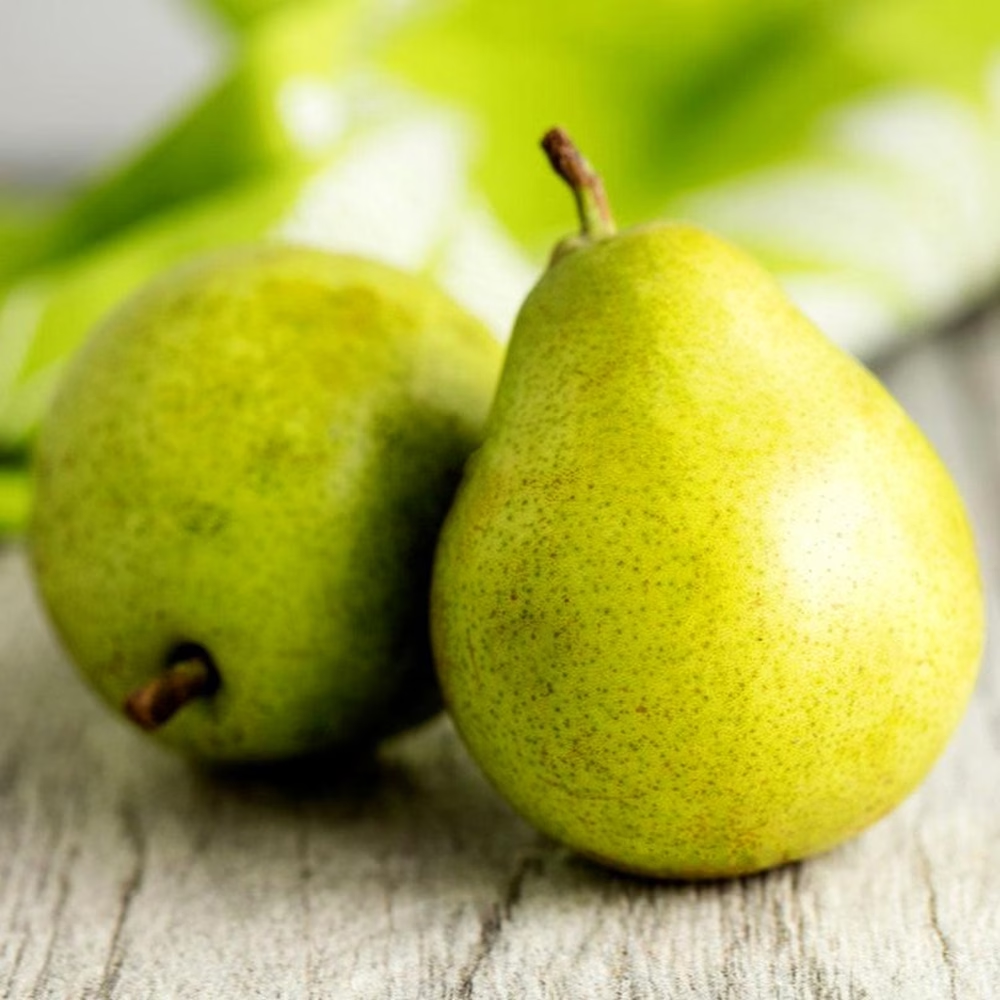
The fruit itself is large and beautifully formed, with smooth green skin lightly speckled with russeting. Unlike yellow pears that dramatically change color when ripe, D’Anjou pears remain primarily green even at peak ripeness. Inside, the flesh is creamy white, dense yet buttery, with a smooth texture and rich sweetness that develops further during storage. The foliage remains lush and green through the growing season before taking on soft golden tones in fall.
Hardiness
The D’Anjou Pear Tree grows reliably in USDA zones 5 through 8 and is considered one of the more cold-hardy European pear varieties. Established trees tolerate winter cold very well and continue producing dependable crops year after year in suitable climates. In colder northern regions, selecting a sheltered planting location helps protect spring blossoms from harsh winds and late frosts.
This variety also demonstrates moderate resistance to common pear issues, including some tolerance to fire blight when grown with proper air circulation and maintenance. Its dependable nature, combined with excellent fruit quality and long storage life, has made it one of the most widely grown and trusted pear varieties for home orchards.
Sun Exposure and Soil Conditions
Plant the D’Anjou Pear Tree in full sun for the strongest flowering, healthiest growth, and sweetest fruit production. Well-drained soil is essential, as pears dislike consistently wet roots. Rich loamy soil amended with compost creates ideal growing conditions, though the tree adapts to many soil types if drainage is adequate. Neutral to slightly acidic soil produces the best long-term performance.
Consistent moisture during the growing season helps support fruit sizing and overall vigor, especially while trees are young or during extended summer dry periods. Mulching around the base helps retain moisture, suppress weeds, and improve soil quality over time, but mulch should always be kept away from direct contact with the trunk.
Maintenance and Pruning
The D’Anjou Pear Tree benefits from regular pruning to maintain shape, improve airflow, and encourage strong fruiting wood. Unlike many fruit trees, pears are best pruned during summer rather than wet spring conditions, helping reduce the spread of fire blight disease. Young trees should be trained early into the desired structure, whether as a traditional open-centered tree, central leader, or espalier form.
Thinning fruit clusters after flowering improves fruit size and reduces branch strain. Leaving only one or two pears per cluster allows the remaining fruit to develop properly. Water deeply during dry periods, especially while fruit is forming, and continue feeding the soil annually with compost or balanced fertilizer to maintain vigorous growth and reliable harvests.
History and Origin of the D’Anjou Pear Tree
The D’Anjou Pear Tree originated in Belgium or France during the early to mid-19th century, where it was originally known as ‘Nec Plus Meuris.’ The name “D’Anjou” was mistakenly attached to the variety after it was introduced into England and the United States, but the name remained and eventually became the standard. Over time, it became one of the most important European pear varieties grown commercially and in home orchards alike.
Its enduring popularity comes from its exceptional combination of flavor, storage life, productivity, and reliability. Unlike many pears that soften quickly after harvest, D’Anjou pears store beautifully for months while gradually improving in texture and sweetness. This remarkable keeping quality earned it the nickname “the year-round pear” and helped establish it as a favorite among orchardists, chefs, and gardeners for generations.
Buying the D’Anjou Pear Tree at The Tree Center
The D’Anjou Pear Tree is an outstanding choice for gardeners who want a classic European pear with exceptional flavor, dependable production, and remarkable storage ability. Its beautiful spring blossoms, handsome growth habit, and delicious fruit make it equally valuable as both an ornamental landscape tree and a productive orchard variety.
At The Tree Center, we carefully select and ship healthy, well-rooted trees that are ready to establish quickly and thrive in your garden. Whether you are creating a backyard orchard, training an espalier against a sunny wall, or simply adding one exceptional fruit tree to your landscape, the D’Anjou Pear Tree delivers beauty, productivity, and timeless flavor season after season.