Using the Glenn Mango Tree in Your Garden
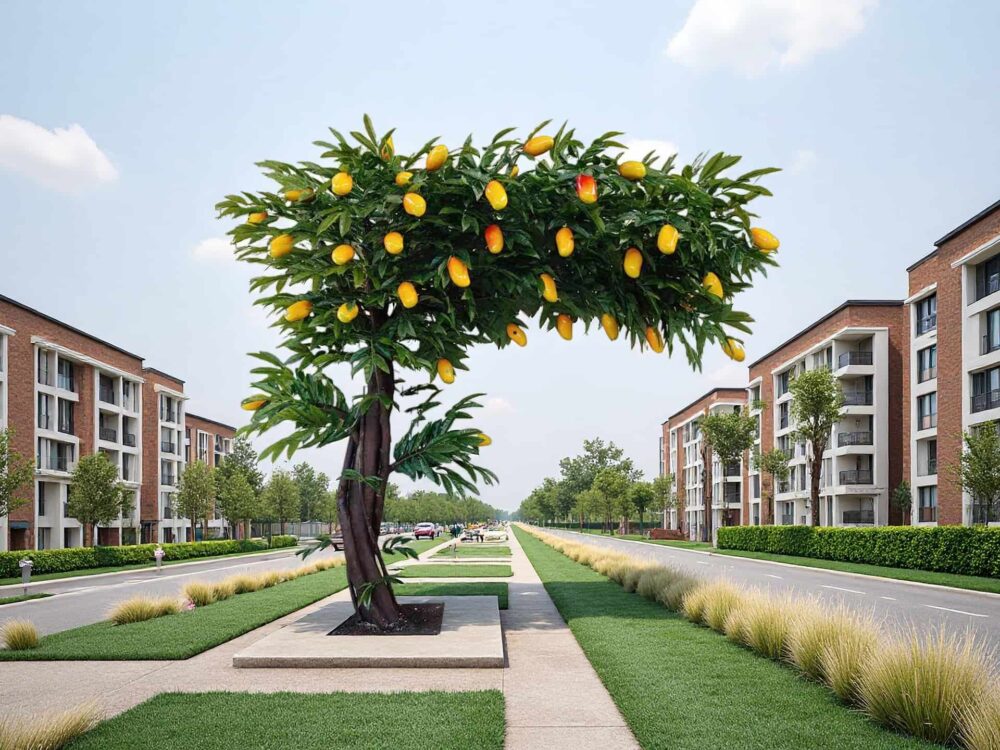
The Glenn Mango Tree is both productive and ornamental, making it an excellent addition to tropical and subtropical landscapes. In frost-free climates, it works beautifully as a specimen tree in sunny lawns, edible landscapes, courtyard gardens, or mixed tropical plantings. Its compact growth habit also makes it one of the best mango varieties for container growing, allowing gardeners in colder climates to enjoy mangoes on patios, decks, or bright indoor spaces.
Because it responds so well to pruning, this tree can be maintained at a practical size for small gardens while still producing heavy crops of fruit. The lush evergreen canopy provides attractive structure year-round, while the fragrant spring flowers attract pollinators and add seasonal interest. Container-grown trees can be moved outdoors during warm weather and brought indoors or into protected spaces during cooler months.
Growing the Glenn Mango Tree
Size and Appearance
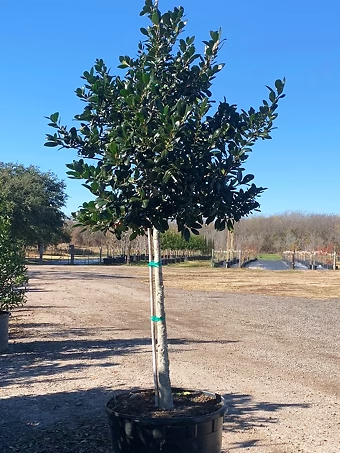
The Glenn Mango Tree develops a rounded, dense canopy with smooth gray bark and long, narrow evergreen leaves that typically measure 6 to 12 inches in length. The foliage emerges in soft bronze or reddish tones before maturing to glossy deep green, creating a lush tropical appearance throughout the year.
In the ground, mature trees can eventually reach 10 to 30 feet tall in ideal climates, though most home-grown specimens are maintained much smaller with pruning. Container-grown plants commonly stay between 4 and 8 feet tall, making them highly manageable for patios and indoor growing. Regular pruning encourages branching and keeps the canopy dense and productive.
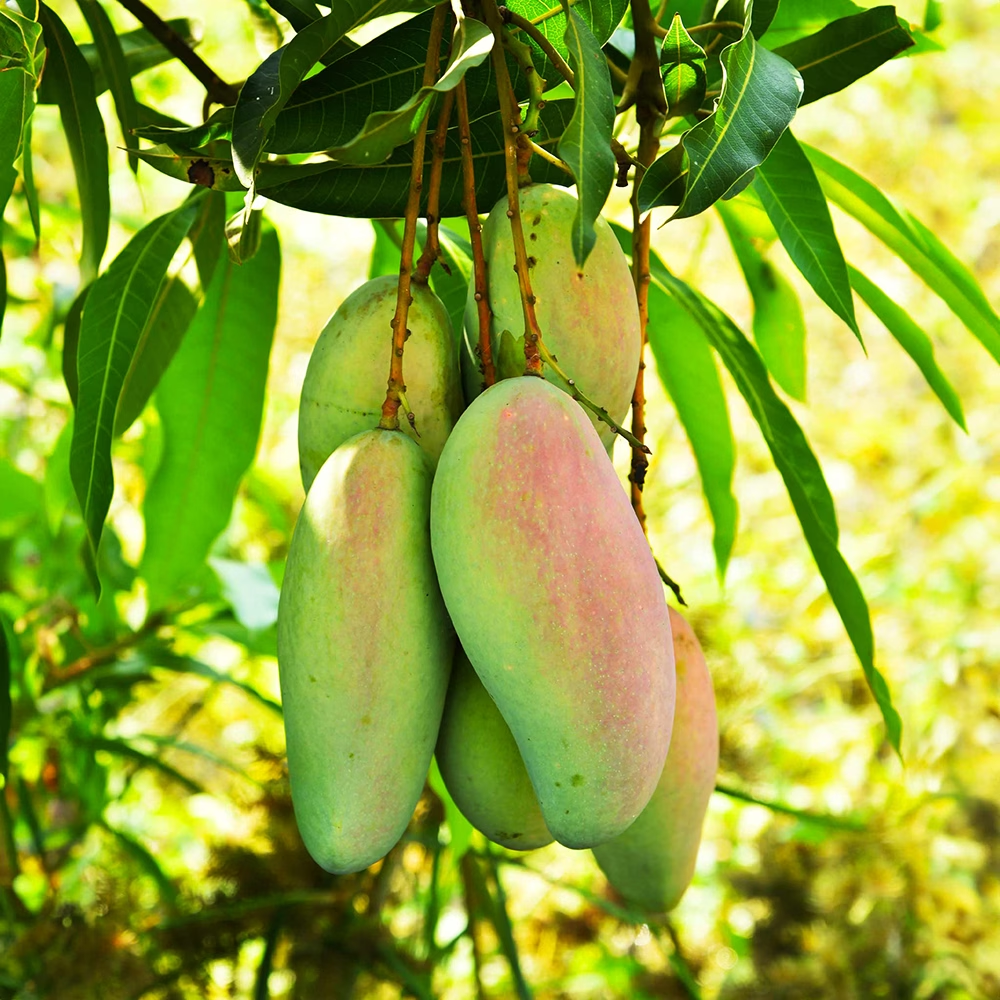
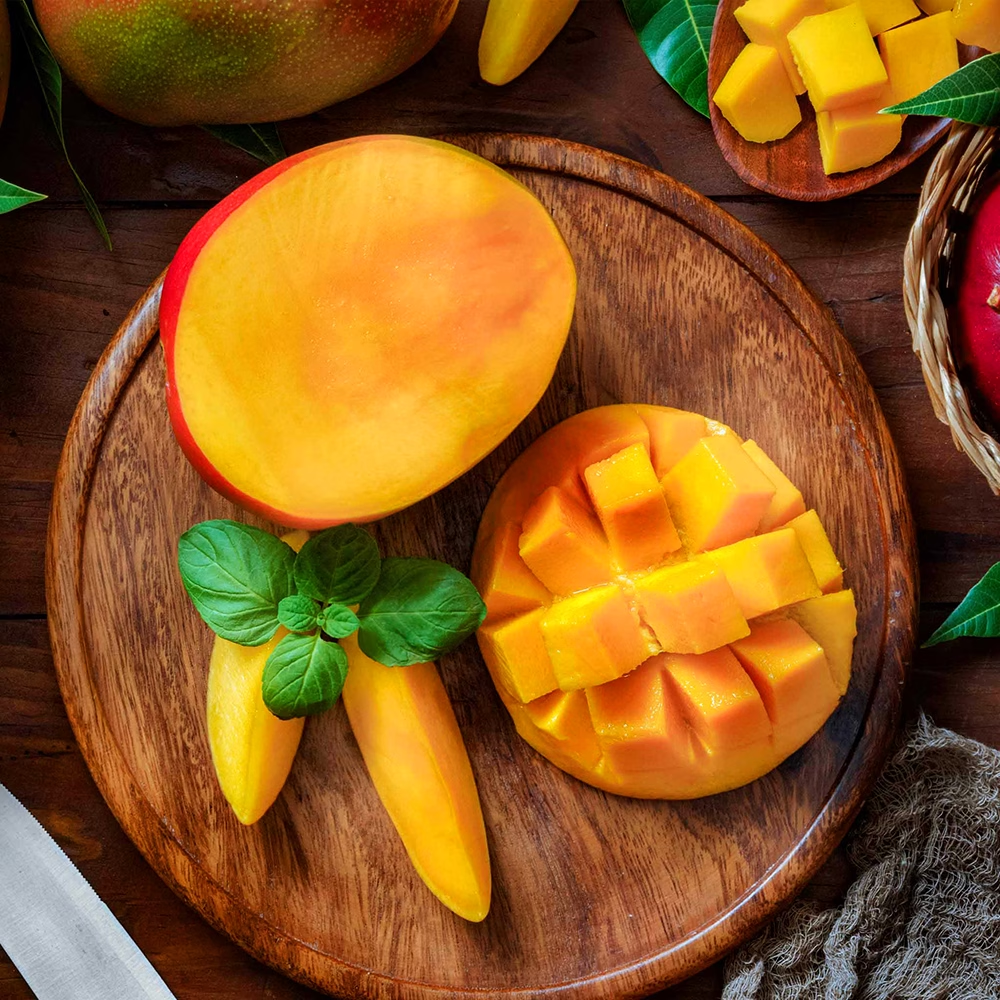
In spring, the tree produces large branching sprays of small yellow flowers that are lightly fragrant and attractive to pollinators. By early to mid-summer, the fruit begins to ripen. Glenn mangoes are medium to large, oval-shaped fruits with smooth yellow skin often flushed red or orange on the sunniest side. The flesh is deep yellow, sweet, juicy, aromatic, and notably low in fiber, making it one of the best mangoes for fresh eating.
Hardiness
The Glenn Mango Tree grows best in USDA zone 10 outdoors but can also be grown successfully in containers in cooler regions. Mature trees can tolerate brief temperature drops to around 30°F, though young trees are more sensitive to cold and should be protected from frost.
Container-grown plants should be brought indoors or into protected areas when nighttime temperatures fall below 45°F. Bright sunrooms, greenhouses, and large south-facing windows are excellent winter locations.
Sun Exposure and Soil Conditions
Plant Glenn Mango Trees in full sun for best flowering, fruiting, and overall growth. Outdoor trees thrive in warm, sunny locations with good airflow and protection from cold winds.
Mango trees prefer rich, well-drained soil with a slightly acidic to neutral pH between 5.5 and 7.5. Sandy or loamy soils are ideal, while heavy clay soils should be amended to improve drainage. Container plants grow best in high-quality, fast-draining potting mixes.
Watering and Fertilizing
Young trees should be watered regularly to establish strong roots, keeping the soil consistently moist but never waterlogged. Mature trees become moderately drought tolerant but still perform best with consistent moisture during flowering and fruit development. Allow the soil to dry slightly between waterings, especially in containers, to help prevent root rot. Overwatering can also interfere with pollination and encourage fungal problems.
Feed young trees with a balanced fertilizer during active growth. Mature fruiting trees benefit from fertilizers higher in potassium to support flowering and fruit production. Fertilize several times throughout the growing season but reduce feeding during winter dormancy.
Maintenance and Care
Pruning is important for maintaining the Glenn Mango Tree’s compact shape and improving fruit production. Begin training early by cutting semi-ripe new growth back by half or two-thirds to encourage branching. Since flowers form at branch tips, more branches generally mean more flowers and more fruit. If flowering occurs indoors, pollination can be assisted by gently transferring pollen between flower clusters with a soft brush. Outdoor trees are naturally pollinated by bees, flies, and wind. The Glenn Mango Tree is relatively low-maintenance overall but should be monitored for common mango pests and fungal issues such as anthracnose or powdery mildew, especially in humid conditions. Good air circulation and proper watering practices help minimize disease problems.
History and Origin of the Glenn Mango Tree
The Glenn Mango originated in Florida and has become one of the most popular mango varieties for home gardeners due to its excellent flavor, compact growth habit, and reliable production. It was selected as a superior seedling and later propagated through grafting to preserve its desirable characteristics.
Unlike seed-grown mango trees that can take many years to fruit and often produce inconsistent crops, grafted Glenn Mango Trees begin producing much sooner, often within 2 to 4 years after planting. Its combination of manageable size, disease resistance, and premium-quality fruit has made it a favorite for both backyard orchards and container gardening.
Buying the Glenn Mango Tree at The Tree Center
The Glenn Mango Tree is an outstanding choice for gardeners who want premium tropical fruit without needing a massive tree. Its compact size, beautiful evergreen foliage, fragrant flowers, and sweet, fiberless mangoes make it one of the best mango varieties for home growing.
Whether planted outdoors in warm climates or grown in containers for indoor protection during winter, the Glenn Mango Tree delivers beauty, productivity, and delicious fruit year after year. Order your Glenn Mango Tree today at The Tree Center and start harvesting homegrown mangoes right from your own patio or garden.